AI for Cal/OSHA: A Guide for California GCs
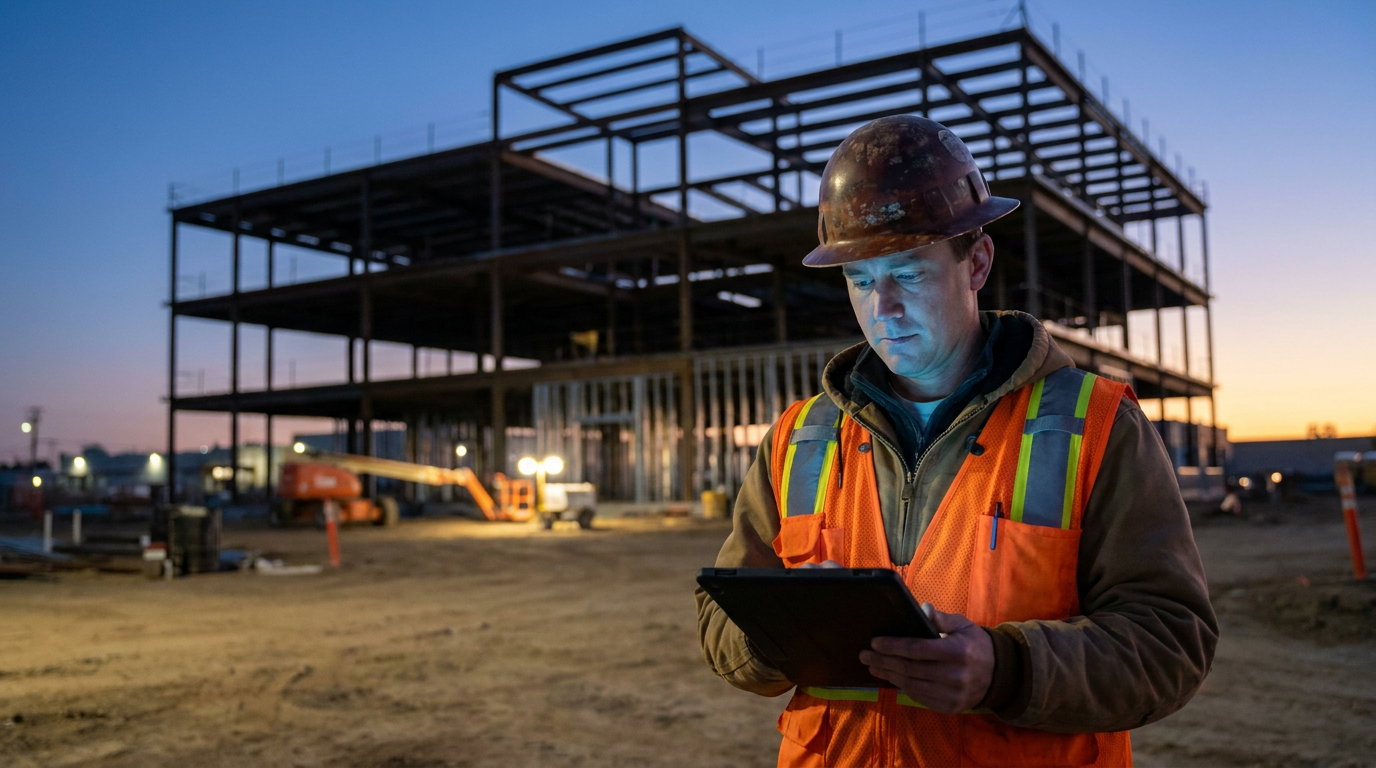
AI helps with OSHA compliance in California construction by automating safety tasks. It can analyze jobsite photos for hazards, generate safety reports, and create site-specific Injury and Illness Prevention Programs (IIPPs). This saves time, reduces human error, and helps GCs stay ahead of Cal/OSHA regulations.
AI for Cal/OSHA: A Guide for California GCs
California is a different beast. If you're a general contractor here, you know Cal/OSHA doesn't mess around. Their rules are tougher, their fines are steeper, and their inspectors are thorough. Just keeping up with the paperwork for your Injury and Illness Prevention Program (IIPP) can feel like a full-time job. Staying compliant is non-negotiable, but it drains time and resources.
What if you had a new tool on your belt that could streamline safety, spot hazards you might miss, and handle the paperwork grind? That tool is Artificial Intelligence. AI isn't here to replace your safety officer. It's here to make their job easier and your entire operation safer and more efficient. It's about using technology to get ahead of problems before a Cal/OSHA inspector shows up at your gate.
Why Cal/OSHA Compliance Is So Tough
Unlike most of the country that follows federal OSHA standards, California runs its own show. Cal/OSHA has stricter regulations across the board. The most significant difference is the mandatory Injury and Illness Prevention Program (IIPP). Every single employer in California must have a written, effective IIPP tailored to their specific workplace hazards.
For a GC, this means your IIPP can't be a generic document you downloaded online. It has to address the unique risks of each phase of your project, from excavation to finish work. Failure to have an adequate IIPP is one of the most common citations, and the fines add up fast. According to the California Department of Industrial Relations, serious violations can carry penalties of up to $25,000.
Common Cal/OSHA citations for construction include:
- Inadequate IIPP
- Fall protection violations
- Lack of proper scaffolding or ladder safety
- Trenching and excavation hazards
- Heat illness prevention failures
Managing these risks across multiple subs and a constantly changing jobsite is a massive challenge. This is where AI starts to look less like science fiction and more like a necessary tool.
How AI Is Changing the Safety Game
AI is a force multiplier for your safety program. It processes information faster and spots patterns that the human eye can miss. Here’s how it works on a construction site.
Automated Hazard Recognition
Imagine having a dozen sets of eyes scanning your jobsite 24/7. That's what AI-powered computer vision does. By connecting AI software to existing cameras or drones, you can automatically detect safety risks in real time.
The AI is trained to identify common Cal/OSHA violations:
- A worker on a roof edge without fall protection.
- A ladder set at an incorrect angle.
- Missing guardrails on an upper floor.
- Workers not wearing required PPE like hard hats or high-vis vests.
- Improperly stored materials creating trip hazards.
When the AI spots a problem, it can instantly alert the site superintendent or safety manager via a text or app notification, complete with a photo and location. This allows you to correct the issue long before it becomes an accident or a citation.
Streamlining Your IIPP
Your IIPP is a living document. It needs to be updated as your project evolves. AI can help you draft and manage this critical document. Instead of starting from scratch, you can use an AI assistant to generate specific procedures based on your scope of work. This ensures your IIPP is comprehensive and tailored to your actual jobsite conditions, which is exactly what Cal/OSHA wants to see.
Act as a construction safety consultant. I am a general contractor in California. Draft the 'Hazard Identification and Evaluation' section of an Injury and Illness Prevention Program (IIPP) for a new project involving the wood framing of a three-story commercial building. Include procedures for scheduled inspections, identifying common framing hazards like falls and material handling, and how we will document and correct these findings to comply with Cal/OSHA Title 8 regulations.
Predictive Safety
AI can also look at your past data—from near-miss reports, previous incidents, and daily logs—to predict where the next accident is most likely to happen. It can identify patterns you might not notice. For example, it might find that most of your near-misses happen on Friday afternoons or on days when a specific subcontractor is on site.
Armed with this information, you can take proactive steps. You could schedule extra safety briefings on Fridays or conduct a focused audit with that sub. This shifts your safety program from being reactive to being predictive, which is the key to preventing injuries.
Practical AI Tools You Can Use Today
You don't need a team of data scientists to start using AI. Many of the tools are built into software you may already be using or are easily accessible online.
Construction Management Platforms: Companies like Procore and Autodesk Construction Cloud are integrating AI features directly into their jobsite management software. Their platforms can analyze photos uploaded from the field to automatically tag observations with safety issues. This creates a powerful, searchable record of your safety efforts.
Large Language Models (LLMs): Tools like ChatGPT, Claude, and Google Gemini are incredibly powerful for safety administration. You can use them to simplify complex Cal/OSHA regulations, draft toolbox talks, or write safety-related emails to your team.
I need a 5-minute toolbox talk for my construction crew in Sacramento, California, about Cal/OSHA's Heat Illness Prevention standard (Title 8, Section 3395). The temperature is expected to be 98 degrees Fahrenheit tomorrow. The talk must be in simple, direct language. Cover the importance of water, rest, and shade. Also, explain the signs of heat exhaustion and heat stroke and what to do if a coworker shows these symptoms. End with a clear call to action about looking out for each other on the job.
- Dedicated Safety AI Software: A growing number of startups are focused exclusively on AI for jobsite safety. These platforms offer advanced features like real-time video monitoring and predictive risk modeling. While they represent a bigger investment, they can provide a massive return by preventing just one serious incident.
Getting Started with AI for Safety
Adopting any new technology can feel daunting, but you can start small.
- Start with Paperwork: Use a free tool like ChatGPT to draft your next toolbox talk. See how much time it saves.
- Talk to Your Provider: If you already use construction management software, ask your representative about their AI safety features and how to activate them.
- Run a Pilot: Pick one tech-savvy superintendent and have them pilot a photo-analysis app on a single project. Let them test it out and report back on what works and what doesn't.
- Remember the Human Element: AI is a tool, not a replacement for a competent safety professional. All AI-generated reports, documents, and alerts must be reviewed by a human. Your experience and judgment are what make the technology effective.
Staying on the right side of Cal/OSHA is about diligence and documentation. AI provides a powerful new way to improve both, helping you build a stronger safety culture, protect your crew, and safeguard your bottom line.
Frequently asked questions
37 copy-paste prompts that save tradespeople 5+ hours a week. Plus one short email every Friday — no fluff.
More for general contractors
AI for General Contractors: A Builder's Playbook
AI for General Contractors comes down to using AI to do the slow stuff — quoting, paperwork, marketing, and customer follow-up — so you can stay on the too
How to Use AI for Construction Project Management
How to Use AI for Construction Project Management comes down to using AI to do the slow stuff — quoting, paperwork, marketing, and customer follow-up — so