Can AI See if Your Crew is Wearing Hard Hats?
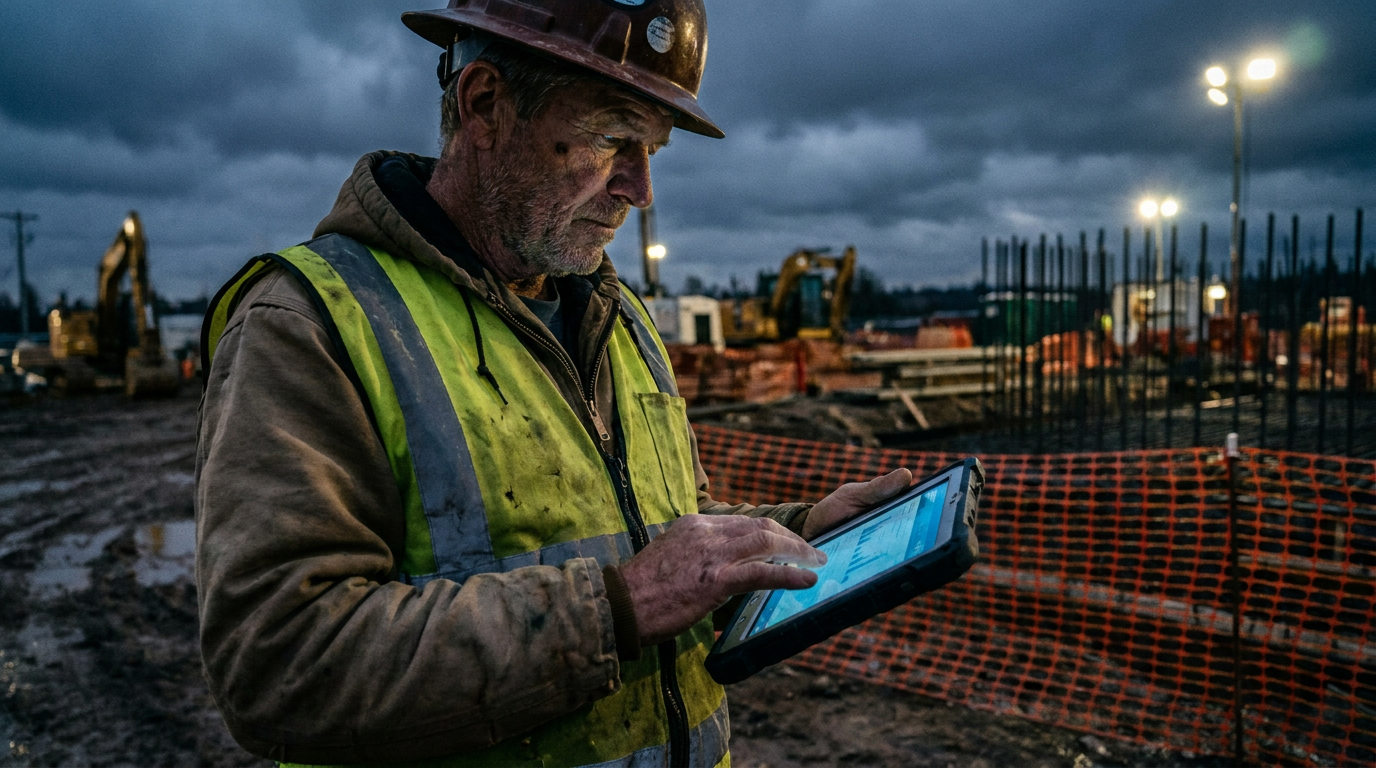
Yes, special AI cameras can detect if your crew is wearing PPE. Using computer vision, these systems analyze video feeds in real time to identify workers and check for required gear like hard hats and safety vests. When non-compliance is spotted, the system can send an instant alert to a manager.
Jobsite safety is not a suggestion. It's the law, and it's the right thing to do. An OSHA fine for a single PPE violation can run into the thousands, and a serious injury can shut you down for good. You have a safety manager and foremen keeping an eye out, but they can't be everywhere at once.
So the question comes up: Can technology help? Specifically, can an AI camera tell if your crew is wearing their hard hats, vests, and other gear? The short answer is yes. This technology is here, and it's getting smarter every day. But that doesn't mean you should run out and buy a system tomorrow. Let's break down how it works, what it's good for, and where it falls short.
How AI PPE Detection Actually Works
This isn't some science fiction movie. The tech is called computer vision. Think of it like facial recognition, but instead of identifying a person, the AI is trained to identify objects. It learns what a hard hat looks like from thousands of pictures—different colors, angles, and lighting conditions.
Here’s the simple version:
- Video Feed: A camera on your jobsite sends a live video stream to a computer.
- AI Analysis: The AI software watches the stream. It identifies each person in the frame.
- Object Detection: For each person, it looks for specific PPE items it has been trained to see, like a hard hat on their head or a high-vis vest on their torso.
- Alert: If the AI sees a person in a designated work zone without the required PPE, it triggers an alert. This could be a text message to the site super, an email, or a log entry in a dashboard.
This can be done with specialized AI cameras or by adding AI software to your existing security camera system. The goal is to get an instant, automated tap on the shoulder when a safety rule is broken, so you can fix it before an accident happens.
The Good: Why You Might Want AI on Your Site
Using AI for safety isn't about replacing your people. It's about giving them a new, powerful tool. Here are the biggest benefits.
- Real-Time Alerts: A safety manager might walk the site three times a day. An AI camera watches 24/7. It can spot a missing hard hat the second a worker steps out of a truck and send an alert before they even reach the work area.
- Fewer Human Errors: People get tired, distracted, or overwhelmed. An AI doesn't. It performs the same repetitive task—checking for PPE—over and over without losing focus. This frees up your foreman to manage the actual work.
- Solid Documentation: The system creates a digital record of compliance and non-compliance. These reports are gold for safety meetings. You can show your crew data-driven examples, not just stories. This log can also be valuable if OSHA or an insurance adjuster comes knocking.
- Focus on Prevention: The point isn't to play 'gotcha' and write people up. It's to build a stronger safety culture. When workers know that non-compliance is spotted immediately, it reinforces the habit of gearing up correctly every single time.
- Potential Insurance Breaks: While not universal yet, some insurance carriers are starting to offer discounts to companies that use technology to reduce risk. It’s the same logic they use for giving drivers discounts for using telematics in their trucks.
The Bad: What to Watch Out For
This technology is powerful, but it's not a magic wand. There are real-world challenges to consider before you sign a contract.
- Cost: These systems aren't cheap. You have the cost of the cameras (if needed), the software subscription (often a per-camera monthly fee), and the server or cloud service to run the analysis. You need to weigh this against the potential cost of an accident or fine.
- Privacy Concerns: Your crew might feel like Big Brother is watching. This is a major hurdle. You must be transparent about what the system is for. Frame it as a safety tool, not a surveillance tool. Explain that it's looking for hard hats, not checking who is taking a long lunch. Clear communication is key to getting team buy-in. An open hiring and management process helps build this trust.
- False Alarms: The technology isn't perfect. Poor lighting, heavy rain, a weird camera angle, or even a worker bending over can sometimes fool the AI. It might trigger a false positive (flagging someone who is compliant) or a false negative (missing someone who isn't). You need a human to verify the alerts.
- Implementation: Setting up cameras, connecting them to a network, and managing the software takes time and some technical skill. It's another system you and your team will have to learn and maintain.
Using AI to Improve Your Safety Program
An AI system is only as good as the safety program it supports. Don't just turn it on and expect miracles. Use it to make your existing program smarter.
First, you need a clear policy. Be upfront with your crew about what the technology is, why you're using it, and what happens when an alert is triggered. You can use an AI assistant to help you draft a starting point for this policy.
Act as a construction safety consultant. My company is implementing an AI camera system to monitor for proper use of hard hats and safety vests on our jobsites.

Draft a clear, simple policy document for our employee handbook. Explain that the system's purpose is to prevent accidents, not for punitive discipline. Outline the process: the AI sends an alert to the foreman, who will then address the issue with the worker directly and privately as a safety reminder. Keep it under 200 words and at a 7th-grade reading level.
Instead of just reacting to individual alerts, use the data to find patterns. Does one crew consistently have more alerts? Is non-compliance common in the morning or near the end of the day? Use this information to create targeted toolbox talks or training. A toolbox talk is a great way to address this directly with the team.
Write a script for a 5-minute toolbox talk for a construction crew. The topic is the new AI safety monitoring system we are installing.

The tone should be direct and respectful. Explain that the cameras are a tool to help the foremen keep everyone safe by providing real-time reminders about PPE. Emphasize that the goal is injury prevention, not punishment. Mention that it will be looking for hard hats and vests in active work zones. End on a positive, team-oriented note about looking out for each other.
What Does OSHA Say?
OSHA doesn't have a specific standard that says 'You must use AI to monitor PPE.' They are a government agency, and they move slowly with technology.
However, OSHA absolutely has standards that require you to provide and ensure the use of PPE. For example, standard 29 CFR 1926.100 covers head protection. The key is that you, the employer, are responsible for ensuring compliance.
An AI detection system is a tool that helps you meet that responsibility. If you ever have an OSHA inspection, being able to show a log from your AI system that proves you are actively and consistently monitoring for PPE use is a powerful piece of evidence. It shows you're going above and beyond to maintain a safe jobsite.
Is It Right for Your Business?
So, should you get one? It depends on your operation.
- Good fit for: Large general contractors, industrial sites, infrastructure projects, or any job with multiple crews and a large, complex footprint. The more people you have to watch, the more valuable an AI spotter becomes.
- Maybe not for: A small residential crew of 3-5 people working on a single house. If your foreman can see every person on the site from one spot, the cost and complexity of an AI system are likely overkill.
Ultimately, it's a cost-benefit decision. You have to weigh the investment against the risk of accidents, fines, and project delays. An AI tool can help you make that call.
I run a commercial construction company with 50 employees. We typically run 3-4 projects at a time, each with a crew of 10-15 people. We've had two minor OSHA recordables related to lack of PPE in the last 3 years.

Act as a business consultant. Based on this information, create a simple pro/con list to help me decide if an AI PPE detection system is a worthwhile investment. Include at least 4 pros and 4 cons specific to my company's size and situation.
AI for PPE detection is no longer a futuristic idea. It's a real tool that can make a difference on the right jobsite. It won't solve all your safety problems, and it doesn't replace the need for good foremen and a strong safety culture. But as another tool in your toolbelt, it can provide a layer of protection that was impossible just a few years ago.
Frequently asked questions
37 copy-paste prompts that save tradespeople 5+ hours a week. Plus one short email every Friday — no fluff.
More for jobsite ai
How Plumbers Use ChatGPT on the Jobsite (5 Ways)
How Plumbers Use ChatGPT on the Jobsite (5 Ways) comes down to using AI to do the slow stuff — quoting, paperwork, marketing, and customer follow-up — so y
How to Use ChatGPT on the Jobsite (Practical Guide)
How to Use ChatGPT on the Jobsite (Practical Guide) comes down to using AI to do the slow stuff — quoting, paperwork, marketing, and customer follow-up — s
AI Voice Notes to Job Report in 60 Seconds
AI Voice Notes to Job Report in 60 Seconds comes down to using AI to do the slow stuff — quoting, paperwork, marketing, and customer follow-up — so you can