AI for Your Accountant: Better Tool & Truck Depreciation
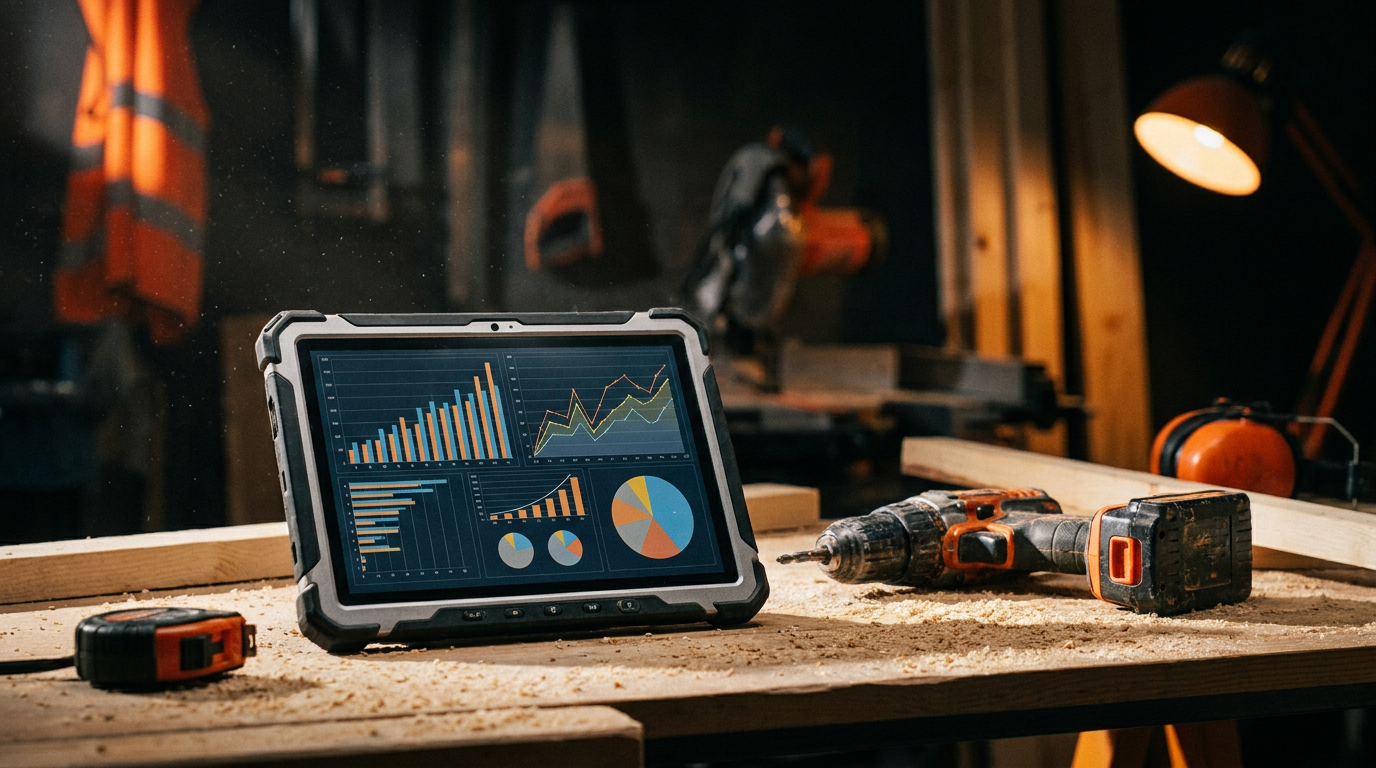
AI for contractor asset depreciation helps you track asset usage, predict maintenance needs, and choose the best tax strategy like Section 179 or MACRS. This data-driven approach gives your accountant the information needed to maximize your write-offs and improve your financial planning, saving you real money.
Your accountant is one of the most important people on your team. But they can only work with the numbers you give them. When it comes to big-ticket items like trucks, excavators, and expensive tools, getting those numbers right is critical for your bottom line. This is where depreciation comes in, and it's an area where AI is changing the game.
Using AI for contractor asset depreciation isn't about firing your CPA. It's about giving them better ammo. AI tools can track your assets in real-time, predict their lifespan based on actual use, and help you and your accountant make smarter decisions about how to write them off. It’s about turning guesswork into hard data.
What is Depreciation, Anyway?
Think of depreciation as a way to account for the wear and tear on your expensive gear. The IRS knows that a five-year-old work truck isn't worth what you paid for it. They let you deduct a portion of that lost value from your taxes each year. It’s a business expense, just like fuel or materials.
There are a few ways to do this:
- Straight-Line: Simple and predictable. You deduct an equal amount of the asset's value each year over its useful life.
- MACRS (Modified Accelerated Cost Recovery System): This is the standard for most businesses. It lets you take larger deductions in the early years of an asset's life and smaller ones later on.
- Section 179: This is a big one for contractors. It allows you to deduct the full purchase price of qualifying equipment in the year you buy it, up to a certain limit. It's great for lowering your taxable income in a high-profit year.
Choosing the right method is a strategic decision. Taking a big Section 179 deduction this year might feel great, but it could mean smaller deductions in the future. Understanding your numbers is the first step to making the right call.
Where AI Fits Into Depreciation
So how does a computer program help with all this? AI is a pattern-finding machine. It takes in massive amounts of data and finds connections you might miss. For asset depreciation, this is incredibly powerful.
1. Automated, Accurate Tracking
Forget spreadsheets and logbooks. Modern asset management systems use GPS trackers, QR codes, and sensors to monitor your equipment. AI takes this data and turns it into insights.
- Usage Hours: Instead of guessing, you know exactly how many hours a generator or scissor lift has been running.
- Jobsite Allocation: See which jobs are hardest on your equipment.
- Condition Monitoring: Get alerts based on vibration, temperature, or engine performance that suggest a tool needs maintenance.
This data gives you a true picture of an asset's "useful life," which is the cornerstone of any depreciation calculation. Your accountant can use this real-world data to justify your depreciation schedule to the IRS if needed.
2. Predictive Maintenance
AI can analyze usage patterns and predict when a piece of equipment is likely to fail or need a major repair. This does two things:
- Reduces Downtime: You can schedule maintenance before a breakdown happens on the jobsite, saving you time and money.
- Informs Depreciation: If you know a truck's transmission is likely to need replacing in year four, that impacts its value and your depreciation strategy. Maybe you depreciate it faster or plan to sell it before the big repair bill hits.
3. Optimizing Your Tax Strategy
This is where you and your accountant can really shine. By feeding real asset data into an AI model, you can run different scenarios.
- Scenario A: Use Section 179 on the new skid steer this year. How does that affect your total tax bill for the next five years?
- Scenario B: Use MACRS instead. What does that look like?
AI can run these comparisons in seconds, showing you the best path forward based on your expected revenue and other expenses. It helps you decide when to buy new equipment and which depreciation method will put the most money back in your pocket over the long haul.
Prompts to Get You Started
You don't need to buy a six-figure software suite tomorrow. You can start exploring these ideas with accessible AI tools like ChatGPT or Claude today. Use these prompts to see how AI can organize your thinking.
I am a general contractor. I need to categorize my recent asset purchases for my accountant to determine the best depreciation schedule. Here is a list of items I bought this year:

- Ford F-250: $68,000
- 16-foot utility trailer: $5,500
- DeWalt table saw: $600
- Set of 5 Milwaukee cordless drills: $1,200
- Jobsite security camera system: $2,500
- Laptop for project management: $1,800

For each item, please:
1.  Suggest a likely asset class under the MACRS system (e.g., 5-year property, 7-year property).
2.  Indicate if it likely qualifies for the Section 179 deduction.
3.  Briefly explain why in simple terms.
Act as a financial advisor for a small HVAC company. The company had a very profitable year with $200,000 in net income. They just bought a new service van for $50,000.

Analyze the pros and cons of using the Section 179 deduction to write off the full $50,000 this year versus using the 5-year MACRS depreciation schedule.

Consider the following:
- Impact on this year's tax liability.
- Impact on tax liability in the next 4 years.
- The company expects similar or slightly lower profits in the coming years.

Present your analysis in a simple table format.
This Isn't About Replacing Your Accountant
Let's be clear: AI is not your new CPA. Tax laws are complex, and you need a human expert to navigate them. An AI can't represent you in an audit or give you certified financial advice.
Think of AI as the world's best jobsite foreman for your equipment. It gathers perfect, unbiased information. You then take that information to your accountant, who acts as the general contractor for your finances. They use that superior data to build a stronger, more profitable financial structure for your business.
This technology makes your relationship with your accountant more valuable, not less. It shifts the conversation from "Did you track your mileage?" to "Based on this usage data, let's model the tax impact of buying that new excavator in Q4 instead of next year."
It's about working smarter, not just harder. By embracing these tools, you empower yourself and your professional partners to make the best possible decisions for your company's future.
Frequently asked questions
37 copy-paste prompts that save tradespeople 5+ hours a week. Plus one short email every Friday — no fluff.
More for business ops

AI Voicemail for Electricians: Catch Every Lead
AI Voicemail for Electricians comes down to using AI to do the slow stuff — quoting, paperwork, marketing, and customer follow-up — so you can stay on the
AI Answering Service for Plumbers: Real Costs & Picks
AI Answering Service for Plumbers comes down to using AI to do the slow stuff — quoting, paperwork, marketing, and customer follow-up — so you can stay on
HVAC Maintenance Plan Template (AI-Built)
HVAC Maintenance Plan Template (AI-Built) comes down to using AI to do the slow stuff — quoting, paperwork, marketing, and customer follow-up — so you can