AI for Contractor Insurance: End COI Headaches for Good
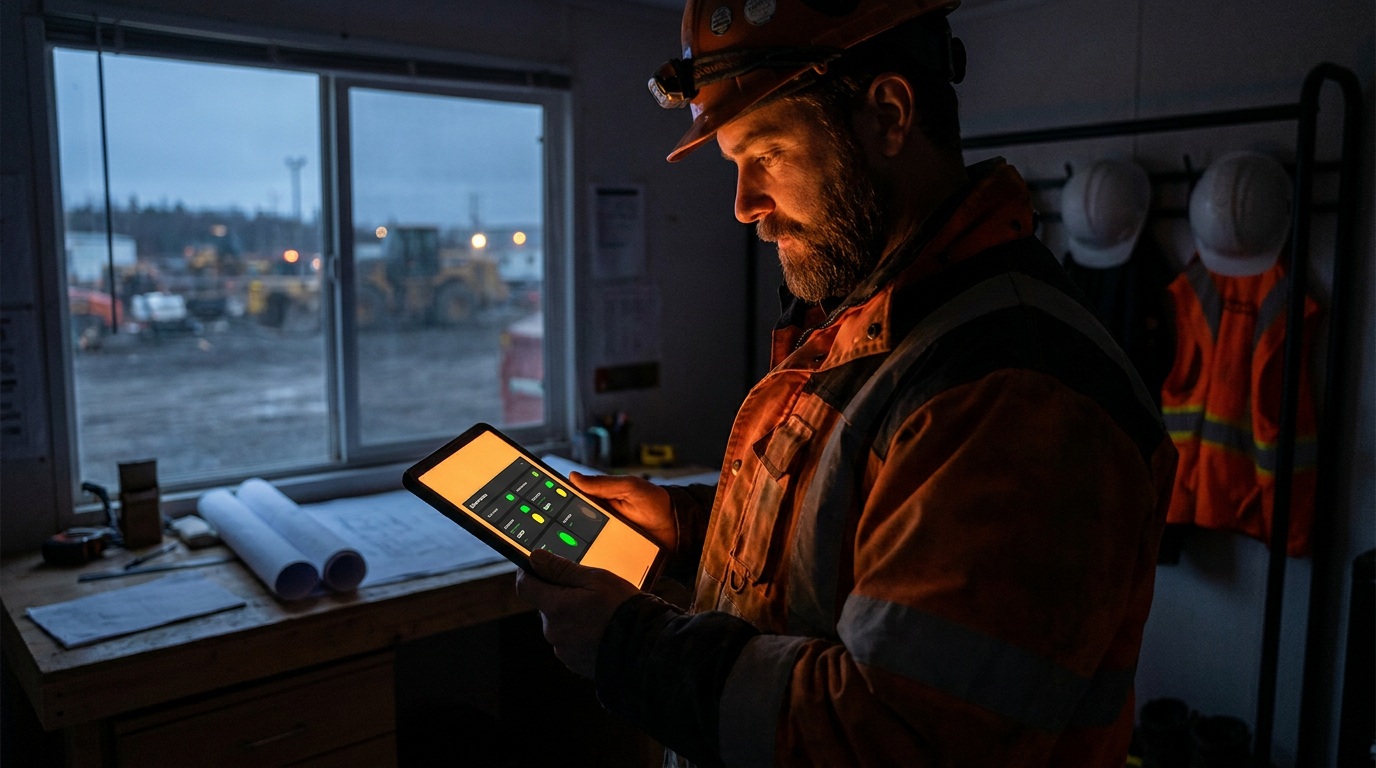
Using AI for contractor insurance compliance automates the tedious process of tracking Certificates of Insurance (COIs). AI tools can read COIs, extract key data like policy numbers and expiration dates, flag non-compliant subs, and send automated reminders. This drastically reduces your administrative burden and project risk.
Your COI Process is Broken. Let's Fix It.
That stack of Certificates of Insurance (COIs) on your desk isn't just paper. It's a pile of risk. Buried inside are expiration dates, policy limits, and endorsements that protect your company. But tracking it all manually is a nightmare. It's a full-time job of spreadsheets, calendar reminders, and chasing down subs.
Miss one expiration date, and you could have an uninsured subcontractor on your jobsite. If an incident happens, that liability falls on you. The old way of tracking COIs is slow, prone to human error, and doesn't keep up with the speed of modern construction.
It's time for a better way. Artificial intelligence isn't just for big tech companies anymore. It's a practical tool that can take over the most frustrating parts of insurance compliance, letting you focus on building.
How AI Changes the COI Game
So what does "using AI for contractor insurance compliance" actually mean? It's not about robots walking your site. It's about smart software that does the heavy lifting for you.
Here’s how it works:
It Reads the Documents: You or your sub uploads a COI. The AI uses something called Optical Character Recognition (OCR) to read the document, just like your eyes would. It scans the entire PDF, turning the image into text it can understand.
It Understands the Data: Next, the AI uses Natural Language Processing (NLP) to identify and extract the important information. It knows what a policy number, an expiration date, and a coverage limit looks like. It pulls this data out automatically.
It Checks for Compliance: You set the rules. For example, you require a $2 million general liability policy and a specific additional insured endorsement. The AI compares the data it extracted from the COI against your requirements and instantly flags any gaps or non-compliant issues.
It Automates the Follow-Up: This is where you save the most time. If a sub's insurance is about to expire, the system automatically sends them an email reminder. If a submitted COI is non-compliant, it can notify both you and the sub, explaining exactly what needs to be fixed.
This whole process turns hours of weekly administrative work into a few minutes of review. It's a system that never gets tired, never misses a date, and keeps a perfect digital record of everything.
Act as a construction operations manager. Write a clear, firm, but professional email to all subcontractors announcing our company's transition to a new AI-powered insurance compliance platform. Explain that this new system will streamline COI submissions and tracking for everyone. Mention that they will receive an invitation to the platform soon and that manual/email submissions will be phased out in 30 days. Emphasize that this change helps ensure everyone on our projects is protected.
Key Features in an AI COI Tracking Tool
Not all software is created equal. When you're looking for a tool to manage subcontractor insurance, focus on these core features:
- Automated Data Extraction: The system must be able to read ACORD forms and other common insurance documents without you manually typing in data.
- Customizable Compliance Rules: You need to be able to set your specific insurance requirements for different projects or trade types.
- Automated Renewal Notifications: The tool should automatically email you and your subcontractors well in advance of policy expiration dates.
- A Subcontractor Portal: A simple portal where subs can upload their own documents saves you from being the middleman.
- Clear Dashboard & Reporting: You need an at-a-glance view of compliance status across all projects and subcontractors. Who is compliant? Who is expiring soon? Who has missing documents?
- Integration Capabilities: The best tools connect with the software you already use, like your project management platform or accounting system.
Real-World Payback: Less Risk, More Building
Switching to an AI-powered system isn't just about getting rid of spreadsheets. It has a real impact on your bottom line and your peace of mind.
General contractors managing large commercial jobs with 30 or 40 subs see the biggest benefit. Manually verifying every single policy for every sub is a recipe for disaster. An AI system ensures that no one steps foot on that site without a valid, compliant COI in place. It protects you from the massive financial and legal risk of an on-site accident involving an uninsured worker.
For smaller builders, the value is in time. Every hour you spend chasing a COI is an hour you're not bidding a job, managing a crew, or meeting a client. By automating compliance, you get that time back. It also makes you look more professional to your subs and your clients, showing that you run a tight ship.
I need to evaluate different AI-powered COI tracking software options for my construction company. Create a detailed checklist of features and questions I should ask during a sales demo. The checklist should cover these categories: Data Extraction & Accuracy, Compliance Management, Subcontractor Experience, Reporting & Dashboards, and Pricing & Support. For each category, list 3-4 specific questions to ask the salesperson.
Think about your next insurance audit. Instead of scrambling to find documents for weeks, you can just generate a report from the system. It provides a clean, time-stamped audit trail for every subcontractor on every job.
Using AI for contractor insurance isn't about replacing people. It's about giving your team the right tools to do their job better and protect the company from unnecessary risk. The tech is here, it's affordable, and it solves a problem every contractor has. It's time to put it to work.
Frequently asked questions
37 copy-paste prompts that save tradespeople 5+ hours a week. Plus one short email every Friday — no fluff.
More for business ops

AI Voicemail for Electricians: Catch Every Lead
AI Voicemail for Electricians comes down to using AI to do the slow stuff — quoting, paperwork, marketing, and customer follow-up — so you can stay on the

AI Answering Service for Plumbers: Real Costs & Picks
AI Answering Service for Plumbers comes down to using AI to do the slow stuff — quoting, paperwork, marketing, and customer follow-up — so you can stay on
HVAC Maintenance Plan Template (AI-Built)
HVAC Maintenance Plan Template (AI-Built) comes down to using AI to do the slow stuff — quoting, paperwork, marketing, and customer follow-up — so you can