AI for EV Charger Planning in California's Title 24 Maze
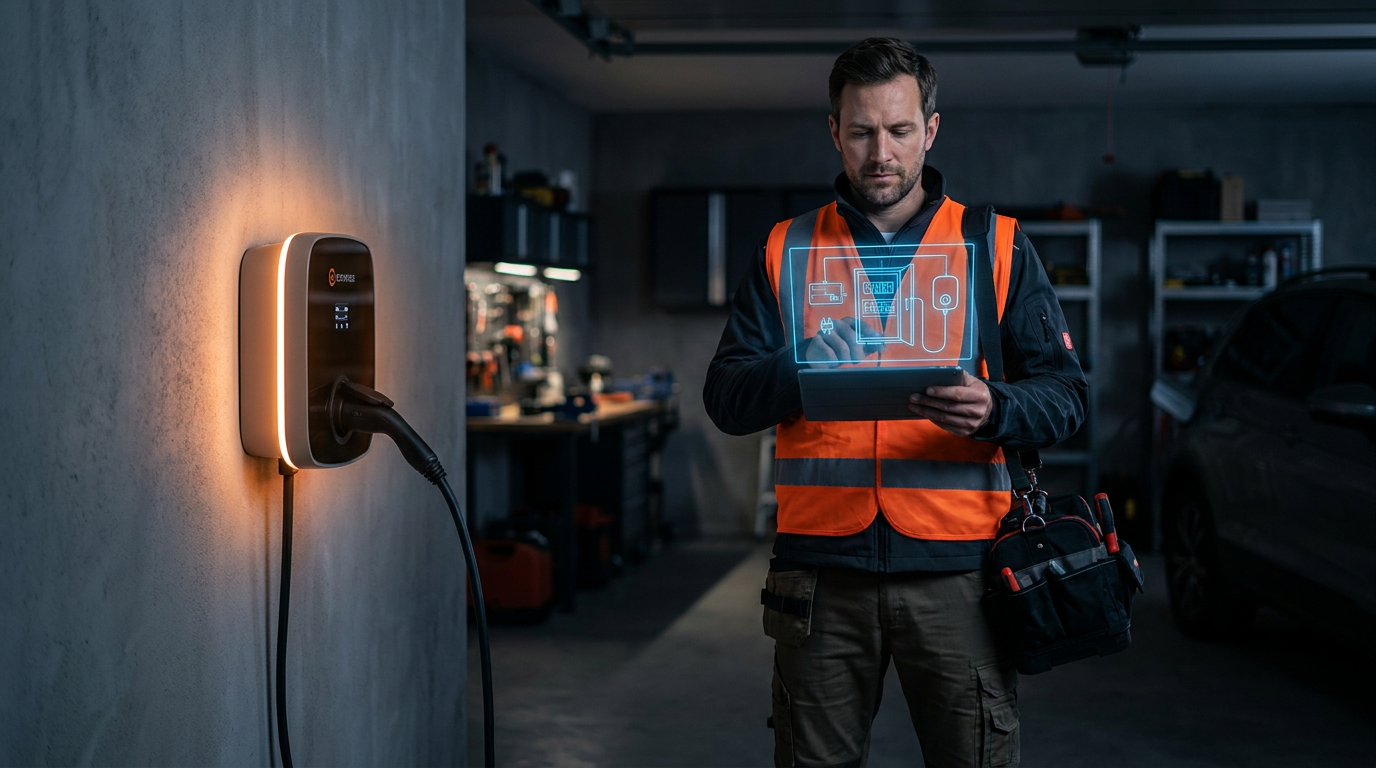
AI for EV charger installation planning helps California electricians by automating complex load calculations required by Title 24. It analyzes existing panel loads, predicts new demands, and cross-references plans with the latest codes. This speeds up site assessments, ensures compliance, and streamlines the creation of permit-ready documents.
The EV Gold Rush is Here, and So Is the Paperwork
California is leading the charge on electric vehicles. That's good business for electricians. But it also means dealing with a mountain of regulations, especially California's Building Energy Efficiency Standards, known as Title 24. It's complex, it's constantly updated, and it can turn a simple EV charger install into a permitting nightmare.
For years, planning these jobs meant hours hunched over load calculation worksheets, flipping through codebooks, and manually drafting plans. A single mistake could mean a failed inspection and a return trip. Now, there's a better way. Artificial intelligence isn't just for tech giants anymore. It's a real tool you can use to work smarter, not harder.
Taming the Title 24 Beast
Title 24 is all about energy efficiency. When it comes to EV chargers, it adds specific rules that go beyond the National Electrical Code (NEC). The goal is to make sure the grid can handle the new load and to encourage smart charging.
Here's where it gets tricky for electricians:
- Load Calculations: Title 24 has strict requirements for calculating the electrical load of a home or building, especially when adding a significant new load like an EV charger. You have to prove the existing service can handle it, or plan for an upgrade.
- EV Ready & EV Capable: For new construction and major renovations, Title 24 mandates that spaces are prepared for future EV chargers. This involves specific requirements for panel capacity, raceway, and space allocation.
- Demand Response: Newer rules are pushing for chargers that can communicate with the utility grid. This helps avoid charging during peak demand hours. You need to know which equipment qualifies and how to document it.
Getting these details right is critical for passing inspection. Getting them wrong costs you time and money.
How AI Speeds Up EV Charger Planning
Think of AI as the sharpest apprentice you've ever had. It can't pull wire, but it can process information faster than any human. Here is how AI for EV charger installation planning is a game-changer for dealing with Title 24.
Automated Load Calculations
This is the biggest time-saver. Instead of manually filling out spreadsheets, you can use AI to do the heavy lifting. You can provide the AI with a photo of the panel schedule, a list of major appliances, and the specs of the proposed EV charger.
The AI can:
- Calculate the existing load based on NEC and Title 24 standards.
- Add the new continuous load of the EV charger.
- Instantly tell you if the current service is adequate or if a service upgrade is needed.
- Generate a formatted load calculation sheet ready for your permit package.
Analyze this electrical panel schedule for a single-family home in California. The main service is 200A. The homeowner wants to add a 48A Level 2 EV charger (a 60A circuit). Based on the existing loads, determine if the panel can support the new charger according to NEC Article 220 and California's Title 24 requirements. List the total existing calculated load, the new EV charger load, and the final calculated load. State clearly whether a service upgrade is likely required.

Existing Loads:
- 30A Dryer
- 40A Range
- 20A Dishwasher
- 20A Disposal
- 15A Microwave
- 50A AC Condenser
- 3,500 sq ft of general lighting and receptacles
Faster Site Assessments & Planning
AI tools can analyze site photos or building plans to help you map out the installation. You can identify the best location for the charger, the most efficient route for conduit, and any potential obstacles like plumbing or structural elements. This reduces surprises on installation day. It helps you build a more accurate quote and a solid plan of attack before you even roll a truck.
Code Compliance on Autopilot
Codes change. Title 24 is updated every few years, and local jurisdictions can have their own amendments. It's tough to keep everything straight. An AI can be trained on the latest versions of the NEC, Title 24, and even local municipal codes.
You can feed your project plan into the AI and ask it to check for compliance issues. It can flag things like incorrect wire sizing, missing GFCI protection, or plans that don't meet the "EV Ready" requirements for a new build. This acts as a powerful safety net to catch errors before they become problems.
Create a step-by-step installation plan and materials list for a Title 24 compliant Level 2, 40-amp EV charger installation in an existing attached garage in Los Angeles, CA. The plan must include steps for permit application, inspection, and final commissioning. The main service panel is 150 feet away in the basement. The plan should specify wire type and size, conduit type, breaker size, and all required safety disconnects and labels. Reference relevant NEC and Title 24, Part 6 sections.
Streamlining Permit Packages
Putting together a permit package is pure administrative work. It's necessary but doesn't make you money. AI can automate the creation of these documents. Based on your project inputs, it can generate:
- Single-line diagrams
- Load calculation worksheets
- Scope of work descriptions
- Lists of specified equipment
This turns hours of office work into minutes. You get your application submitted faster, which means you can start the job sooner. Better ops means better profit.
Putting It All Together: A Day in the Life
Imagine this: you get a lead for an EV charger install. You have the customer send you photos of their main panel, the garage, and the path between them. You feed the panel photo into your AI tool.
Within minutes, it tells you the 125A panel is maxed out and a service upgrade to 200A will be required. It generates the load calculation to prove it.
Next, you use another AI prompt to draft an email to the customer. The email clearly explains why the upgrade is needed, citing the specific code requirements, and outlines the new, more accurate scope of work.
Draft a clear, professional email to a customer named John Doe. Explain that based on my analysis of his home's 125A electrical panel and his request to add a 48A EV charger, a main service upgrade to 200A is required by code to handle the new load safely. Briefly state that the current system does not have the capacity. Mention that this ensures the safety and reliability of his home's electrical system and is a necessary step for the permit. Avoid overly technical jargon. Keep the tone helpful and confident.
The customer approves. The AI then helps you generate the single-line diagram and fills out the technical sections of the permit form. You submit the package the same day you got the lead.
While you're waiting for the permit, you're already on to the next job, not stuck doing paperwork. That's the power of using AI as a tool in your belt. It handles the tedious parts so you can focus on the skilled work that actually pays the bills.
Frequently asked questions
37 copy-paste prompts that save tradespeople 5+ hours a week. Plus one short email every Friday — no fluff.
More for electricians
AI for Electricians: A Field-Tested Guide
AI for Electricians comes down to using AI to do the slow stuff — quoting, paperwork, marketing, and customer follow-up — so you can stay on the tools. Bel
27 ChatGPT Prompts for Electricians (Copy & Paste)
27 ChatGPT Prompts for Electricians (Copy & Paste) comes down to using AI to do the slow stuff — quoting, paperwork, marketing, and customer follow-up — so

AI Electrical Load Calculator: How It Works & Free Prompt
AI Electrical Load Calculator comes down to using AI to do the slow stuff — quoting, paperwork, marketing, and customer follow-up — so you can stay on the