
AI for Fire-Resistant Landscaping in Colorado
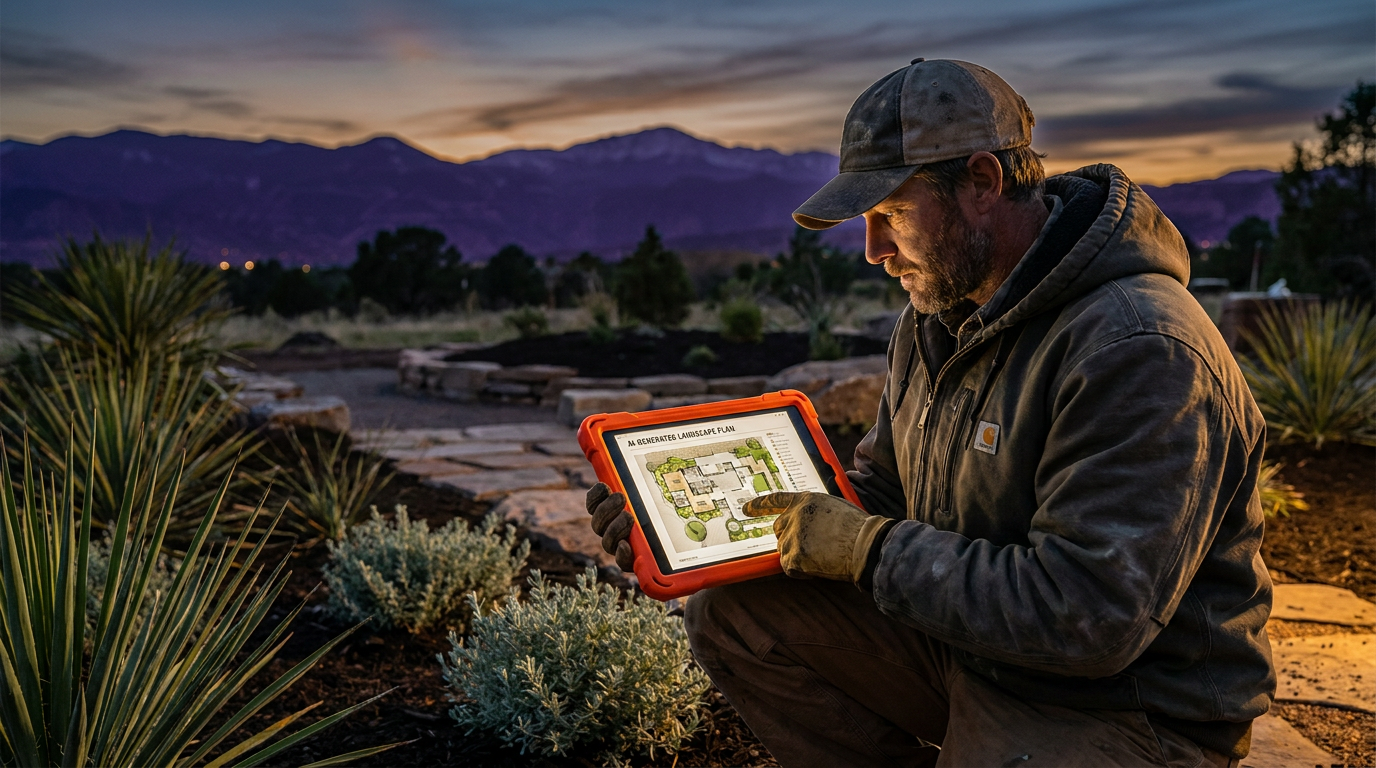
AI helps landscapers in Colorado choose fire-resistant plants by analyzing local climate data, soil types, and official fire-wise plant lists. This technology quickly generates plant palettes and layout plans based on defensible space zones, speeding up the design process for protecting homes from wildfires.
Wildfires in Colorado are not a matter of 'if' but 'when'. For landscaping pros, this means the job is no longer just about curb appeal. It's about building the first line of defense for a client's home. Using AI to select fire-resistant plants gives you a powerful tool to do this faster and smarter, giving you an edge over the competition and providing real value to homeowners.
AI can sort through decades of data from sources like the Colorado State University Extension in seconds. It helps you design landscapes that are not only beautiful and drought-tolerant but also strategically fire-resistant. This is about using technology to make your expertise go further.
Why Fire-Resistant Landscaping Matters in Colorado
Colorado's dry climate and vast wildland-urban interface (WUI) put thousands of homes at risk. Events like the Marshall Fire in 2021 showed everyone that wildfire isn't just a mountain problem. It can tear through suburban neighborhoods with terrifying speed. For landscapers, this is a call to action.
Creating a fire-resistant landscape is one of the most effective steps a homeowner can take to protect their property. The goal is to reduce flammable vegetation and create a 'defensible space' that slows a fire's spread. This gives firefighters a fighting chance to save the structure. Offering this as a core service makes you essential, not just a luxury.
What is "Fire-Resistant" Landscaping?
Fire-resistant landscaping is not about creating a barren rock yard. It's a strategic approach to plant selection and placement. It means choosing the right plant for the right place.
Key principles include:
- Plant Choice: Selecting plants with high moisture content in their leaves. These are often deciduous, leafy plants. Avoid plants with high oil or resin content, like juniper and some pines, especially close to the house.
- Defensible Space Zones: Creating zones around the home with decreasing levels of flammability. This concept, promoted by agencies like the National Fire Protection Association (NFPA), is critical.
- Zone 1 (0-5 feet): The Immediate Zone. Should be free of flammable materials. Use gravel, pavers, and carefully selected, low-growing herbaceous plants.
- Zone 2 (5-30 feet): The Intermediate Zone. Use low-growing, irrigated plants. Keep trees spaced far apart, at least 10 feet between crowns.
- Zone 3 (30-100+ feet): The Extended Zone. Focus on thinning existing vegetation and removing dead material. The goal is to slow a fire, not stop it completely.
- Maintenance: A fire-wise landscape is a well-maintained one. This means regular pruning, removing dead leaves and needles, and keeping grass mowed short.
How AI Changes the Game for Landscapers
In the past, building a fire-wise plant list meant hours spent cross-referencing university extension guides, nursery stock lists, and local climate data. It was slow and tedious. AI turns hours of research into minutes of work.
AI models can process huge amounts of information to give you tailored recommendations. You can feed it a client's address, soil type, sun exposure, and desired aesthetic, and it will generate a list of appropriate, fire-resistant plants. This frees you up to focus on the things a computer can't do: client relationships, crew management, and the hands-on work of building the landscape. Check out our other articles on landscaping for more business tips.
Prompts to Get You Started
Using AI is all about asking the right questions. The more specific your prompt, the better the answer. Here are a few copy-paste prompts you can use today with a tool like ChatGPT or Google Gemini.
Act as a professional landscaper specializing in fire-wise design in Colorado. I am creating a plan for a home in zip code 80439 (Evergreen, CO). My client needs a list of 10 fire-resistant plants for Zone 2 (5-30 feet from the house). The area gets 6+ hours of direct sun and has clay soil. The list should include 3 perennial flowers, 4 low-growing shrubs (under 4 feet tall), and 3 ornamental grasses. Prioritize native or adapted plants that are also drought-tolerant. Format the output as a table with columns for Plant Name, Type, and Key Characteristics.
This prompt is specific. It gives the AI a role, a location, a zone, site conditions, and formatting instructions. This leads to a high-quality, usable result.
Here’s another one for client communication:
My client is asking why I'm recommending removing their juniper shrubs that are right next to their house. Write a short, professional explanation (under 150 words) that I can text or email to them. Explain the concept of flammable vegetation and why junipers are considered a high risk in Colorado's wildland-urban interface. Suggest 2-3 attractive, fire-resistant replacement options.
And one for planning:
Create a basic annual maintenance checklist for a fire-resistant landscape in Jefferson County, Colorado. The property has established zones 1, 2, and 3. Break the checklist down by season (Spring, Summer, Fall) and list 3-5 key tasks for each season. Tasks should focus on reducing fuel load and maintaining plant health.
Beyond Plant Selection: AI for Layout and Maintenance
AI can do more than just generate plant lists. As the technology evolves, it's becoming a powerful tool for design and long-term planning.
- Layout Ideas: You can ask an AI to generate layout concepts based on defensible space principles. For example: "Generate a simple landscape layout sketch for a rectangular backyard, showing the placement of a non-combustible patio in Zone 1 and spaced-out islands of fire-resistant shrubs in Zone 2."
- Irrigation Planning: AI can help you group plants with similar water needs (hydrozoning), which is key for both water conservation and fire resistance. A well-watered plant is less flammable.
- Maintenance Schedules: As shown in the prompt above, you can use AI to create custom, year-round maintenance schedules for your clients. This creates an opportunity for a recurring service contract, a steady source of revenue for your business.
Getting started with AI doesn't require a huge investment. The tools are accessible and easy to use. The real skill is learning how to integrate them into your workflow to save time, improve your designs, and deliver more value to your clients. In a place like Colorado, that value can be the difference between a house that survives a wildfire and one that doesn't.
Frequently asked questions
37 copy-paste prompts that save tradespeople 5+ hours a week. Plus one short email every Friday — no fluff.
More for landscaping
AI for Landscaping Business Owners: Real ROI
AI for Landscaping Business Owners comes down to using AI to do the slow stuff — quoting, paperwork, marketing, and customer follow-up — so you can stay on
ChatGPT Prompts for Lawn Care Business (20 Tested)
ChatGPT Prompts for Lawn Care Business (20 Tested) comes down to using AI to do the slow stuff — quoting, paperwork, marketing, and customer follow-up — so