AI for HVAC Humidity Control: A PNW Tech's Guide
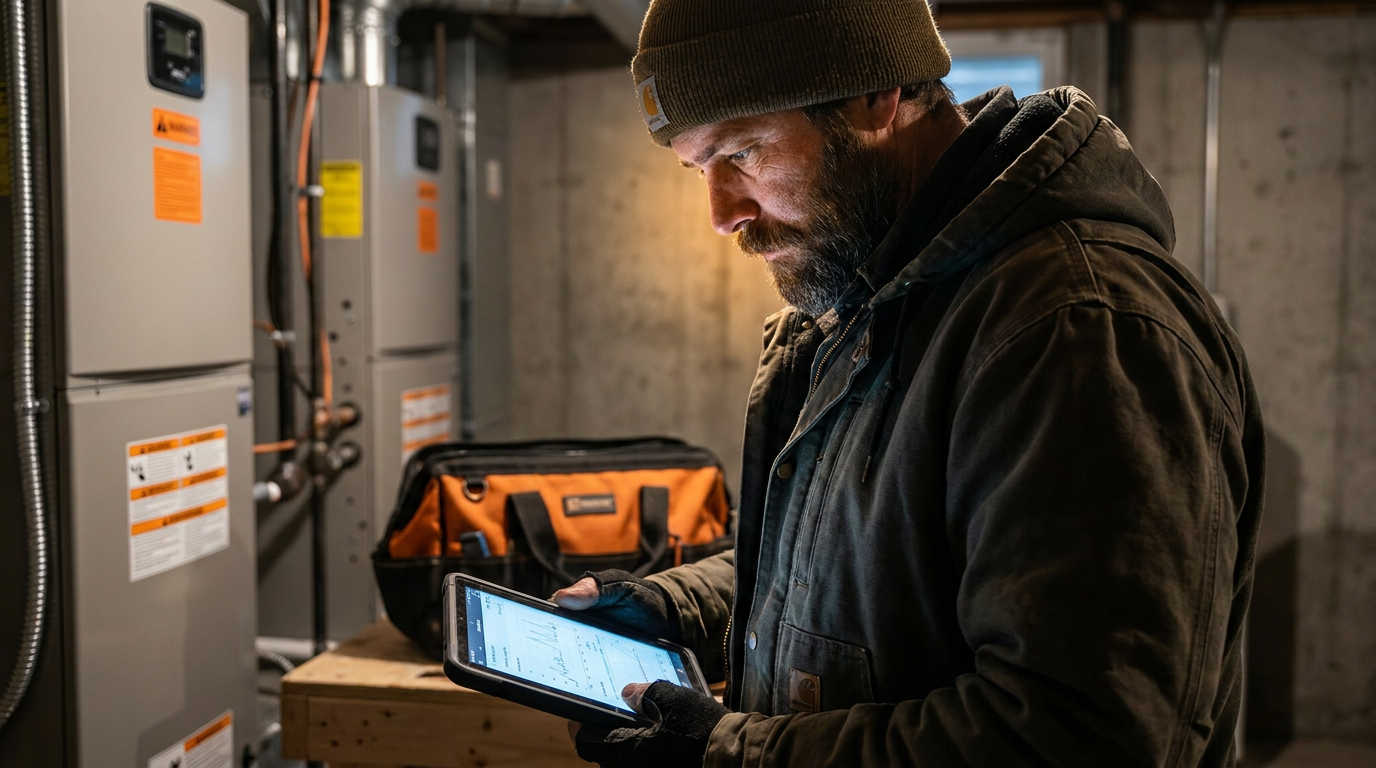
AI for HVAC humidity control helps techs in the Pacific Northwest by using smart sensors and predictive algorithms to automatically adjust system operation. This proactive approach maintains ideal indoor humidity levels, preventing mold growth common in the region's damp climate and improving overall system efficiency.
PNW HVAC Techs: AI for Humidity Control and Mold Prevention
The air in the Pacific Northwest is different. It’s not just the rain; it’s the constant, bone-deep dampness that seeps into everything from October to June. For HVAC technicians from Seattle to Portland, this isn't just a weather report. It's a business challenge. You’re on the front lines of a war against humidity, condensation, and the mold that follows.
Traditional HVAC strategies sometimes fall short here. But now, we have a new tool in the belt: Artificial Intelligence. AI isn't about robots taking your job. It's about making your job smarter. It gives you the power to proactively manage indoor environments, keeping your clients comfortable and their homes healthy.
Why PNW Humidity is a Different Beast
Unlike the hot, sticky summers of the South where AC runs constantly, the PNW has long, cool, damp shoulder seasons. In spring and fall, temperatures are mild, so the air conditioner rarely kicks on. Without the AC running, there’s no mechanical dehumidification happening. This is when indoor relative humidity (RH) can creep up past the 60% danger zone, creating a perfect breeding ground for mold.
This is where standard thermostats fail. They only care about temperature. But in a place like Tacoma or Eugene, a home can be a comfortable 68 degrees and still have 70% RH. That’s a problem. AI-driven systems understand this nuance. They look beyond temperature to manage the complete indoor climate.
What AI in HVAC Really Means
Forget sci-fi movies. In our world, AI for HVAC is about smart software that learns, predicts, and adapts. It's less about thinking and more about high-speed pattern recognition.
Here’s what it does:
- Predictive Analytics: AI uses local weather forecast data. If it sees a week of non-stop drizzle coming to Seattle, it can adjust the HVAC system to run longer, more gentle dehumidification cycles in advance. It’s proactive, not reactive.
- Smart Thermostats: Devices from companies like Ecobee and Nest learn a homeowner's schedule and preferences. But their real power for us is in the advanced settings. They can use sensor data to run the fan or slightly overcool the air to pull more moisture out.
- Sensor Integration: AI systems pull data from multiple points. They read the indoor humidity sensor, the outdoor temperature, real-time weather APIs, and even know if a window was left open. This gives a complete picture of the home's environment.
- Fault Detection and Diagnostics (FDD): This is a game-changer for service calls. AI can analyze pressure, temperature, and runtime data to flag a system that's struggling. It can tell you a coil is dirty or a refrigerant charge is low before the customer calls to complain. This turns a reactive repair call into a proactive service opportunity.
Putting AI to Work on the Job Site
You don't need a computer science degree to use these tools. You just need to know how to leverage them to make you a better technician.
First, use AI to educate your clients. Homeowners in the PNW are often focused on heating costs, not humidity. You can show them data from their own smart thermostat that proves the need for better moisture control. It's a powerful sales tool backed by their own data.
Act as an HVAC expert. Write a simple, 150-word email for a homeowner in Portland, Oregon. Explain why their new smart thermostat is running the fan more often, even when the heat or AC is off. Focus on how this proactive approach uses AI to prevent high indoor humidity and reduce the risk of mold during the rainy season.
Second, use AI for smarter diagnostics. Instead of spending an hour trying to figure out why a house feels clammy, you can look at the system's data log. An AI-powered diagnostic platform can analyze the data and suggest likely causes, cutting down your time on site and increasing your first-time fix rate.
The Tools You Can Use Today
This isn't future tech. You can install and manage these systems right now.
- High-End Smart Thermostats: When selling a new system, push for a thermostat with advanced humidity control. Look for features like "AC Overcool to Dehumidify" (found in Ecobee) or the ability to control a whole-home dehumidifier directly. Selling a smarter system starts with a smarter quote.
- Variable-Speed Equipment: AI works best with equipment that can modulate. Variable-speed and multi-stage furnaces, air handlers, and heat pumps can run at very low, quiet speeds for extended periods. This is ideal for constant air circulation and dehumidification without overcooling the space.
- Add-On Diagnostic Sensors: Companies are offering sensor packages that you can add to existing HVAC systems. These sensors feed data to a cloud platform where AI analyzes performance, tracks trends, and sends you alerts about potential issues.
I am an HVAC technician troubleshooting a high humidity issue in a Bellevue, WA home. The smart thermostat data shows indoor RH is consistently 65%, even when the outdoor temperature is only 55°F. The AC is not running. The system is a variable-speed heat pump. Based on this, list the top 3 most likely causes and suggest a diagnostic step for each.
Beating Mold Before It Starts
This is the bottom line for your customers. Mold remediation is expensive and stressful. Preventing it is a massive value-add.
AI-driven humidity control keeps the indoor environment consistently below the 60% RH threshold that mold needs to thrive. It automates the process, so the homeowner doesn't have to constantly fiddle with a dehumidifier. By maintaining a healthy home, you're not just an HVAC tech; you're a vital part of the home's overall health and safety.
Use AI insights to build better preventative maintenance plans. If you see a system is working overtime to dehumidify, you can recommend solutions during your next scheduled visit, like sealing air leaks or installing a whole-home dehumidifier.
An AI-powered HVAC monitoring system has flagged the following for a residential customer in Olympia, WA: 'Dehumidification cycle runtime has increased 30% month-over-month' and 'Air filter pressure drop is above threshold.' Create a 3-point proactive maintenance checklist for the next service visit to address these specific alerts.
AI is a tool. In the hands of a skilled PNW HVAC technician, it's a powerful one. It helps you fight our region's biggest challenge—dampness—and deliver a level of comfort and safety that was never possible before. Embrace it, learn it, and use it to set yourself apart.
Frequently asked questions
37 copy-paste prompts that save tradespeople 5+ hours a week. Plus one short email every Friday — no fluff.
More for hvac
AI for HVAC Contractors: Everything You Need to Know
AI for HVAC Contractors comes down to using AI to do the slow stuff — quoting, paperwork, marketing, and customer follow-up — so you can stay on the tools.

ChatGPT for HVAC Technicians: 20 Real Use Cases
ChatGPT for HVAC Technicians comes down to using AI to do the slow stuff — quoting, paperwork, marketing, and customer follow-up — so you can stay on the t
AI HVAC Load Calculation: Manual J in Minutes
AI HVAC Load Calculation comes down to using AI to do the slow stuff — quoting, paperwork, marketing, and customer follow-up — so you can stay on the tools