Can AI Pinpoint Your Planting Zone and Restrictions?
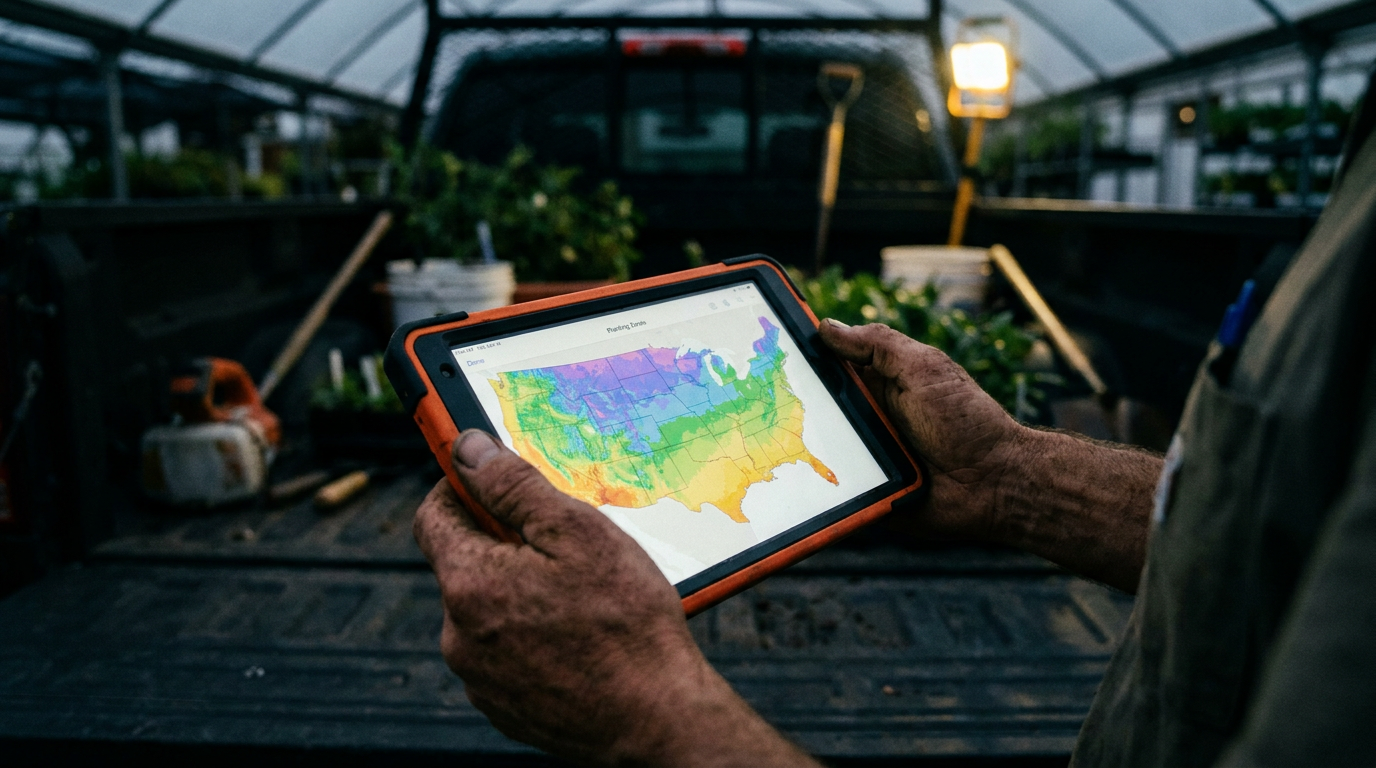
Yes, AI can identify local planting zone restrictions, but you must double-check its work. AI tools can quickly find your USDA Hardiness Zone and list common local ordinances or invasive species. However, for legally binding rules, always confirm with your local county extension office or municipal website.
Can AI Tell You Your Local Planting Zone and Plant Restrictions?
Knowing what to plant is about more than just what looks good. It’s about what survives. For years, that meant digging through binders, checking clunky websites, and calling the local extension office. Now, we have AI. But can you trust a robot to know if you can plant bamboo in a Boise suburb?
AI is a powerful tool for initial research. It can get you 80% of the way there in seconds. It can pull up your USDA zone, suggest native plants, and even find articles about local water restrictions. But it's not the final word. Local rules, HOA covenants, and brand-new invasive species lists can trip it up. Think of AI as your new apprentice: fast and eager, but needs its work checked by a pro.
This guide will show you how to use AI to speed up your plant research and where to draw the line. We'll cover what it's good at, where it fails, and how to use it without putting your reputation on the line.
First, The Basics: USDA Hardiness Zones
Before we talk restrictions, let's talk survival. The USDA Plant Hardiness Zone Map is the standard for American growers and landscapers. It divides the country into 13 zones based on the average annual minimum winter temperature. If you plant a Zone 7 plant in a Zone 5 climate, it’s not going to make it through the winter.
This is where AI shines. It has instant access to this public data. You can ask it for the zone of any ZIP code or city, and it will give you a reliable answer. Getting the zone right is the first step in building a plant list that won't have your client calling you in the spring asking why everything died.
- Why it matters: It prevents plant loss and warranty claims.
- Client confidence: It shows you know your stuff.
- Efficiency: It narrows down your plant choices immediately.
AI is great for this first, broad step. But a planting zone is just one piece of the puzzle.
The Real Challenge: Local Rules and Restrictions
This is where things get tricky. While a plant might survive in a certain zone, that doesn't mean it's legal or smart to plant it there. Local regulations are often more complex and specific than broad climate data.
AI can try to find this information, but its knowledge is often incomplete or outdated. Here are the things you absolutely must verify with official sources:
- Invasive Species Lists: States and even counties maintain lists of banned plants. For example, Florida has strict regulations on plants like the Brazilian Peppertree. Pennsylvania is working to contain the invasive Tree of Heaven because it attracts the Spotted Lanternfly. An AI might not have the most current version of these lists.
- Municipal Codes: Cities have rules about what you can plant in a public right-of-way (the strip between the sidewalk and the street). They may have ordinances about sightlines at intersections, sidewalk damage from roots, or fire-wise landscaping in prone areas like California or Colorado.
- HOA Covenants: Homeowners Associations have their own private rules. These are almost never in a public database that AI can access. An HOA might ban fruit trees, dictate the exact type of shrub you can use for a hedge, or have a pre-approved color palette for flowers. You must get these documents from the client or the HOA.
- Water Usage Rules: In the West and Southwest, water is everything. Cities like Las Vegas and Phoenix have cash-for-grass programs and strict lists of approved low-water-use plants. These rules can change based on drought conditions, and an AI's training data might be a year or two behind.
AI can give you clues, but it can't give you legal certainty. Always check the official municipal or state government website.
How to Use AI to Get a Head Start
Don't throw the tool out completely. You just have to use it right. Being specific in your prompts is the key to getting useful results. Here are a few prompts you can copy and paste today.
For basic plant and zone research:
I'm a landscaper working on a project in [City, State, ZIP Code]. What is the USDA Hardiness Zone for this location? Based on this zone, provide a list of 10 native, low-maintenance perennials that thrive in full sun. Include their mature size and water needs.
To dig for potential restrictions:
For the location [City, County, State], find any publicly available municipal codes, ordinances, or state-level regulations regarding planting restrictions. Specifically, look for lists of banned or invasive plant species (like Bradford Pears or Japanese Barberry), rules about planting in public rights-of-way, or water-wise landscaping requirements.
This second prompt forces the AI to look for the exact documents you need. It might give you links to the city code or name the specific ordinance. That gives you a starting point for your own verification. It's much faster than starting from a blank Google search.
Looking for more ways to improve your business? Check out our other landscaping articles.
The Final Check: Your Local Extension Office
When in doubt, make a call. Every U.S. state and territory has a cooperative extension office through its land-grant university. These offices are staffed by horticulturalists and agricultural experts whose job is to provide practical, science-based information to the public.
They are the gold standard for localized planting information. They can tell you:
- The most current invasive species list.
- Common soil issues in your specific area.
- Native plant recommendations that go beyond the basics.
- Pest and disease problems to watch out for.
An AI gives you a good draft. The extension office helps you turn it into a final, bulletproof plan. Building a relationship with your local agent is one of the smartest business moves a landscaper can make.
AI is a shovel, not a blueprint. It helps you do the heavy lifting of initial research faster than ever before. But you're the one who reads the site plan, checks the regulations, and makes the final call. Use it to work faster, but always trust your own expertise and official sources to get the job done right.
Frequently asked questions
37 copy-paste prompts that save tradespeople 5+ hours a week. Plus one short email every Friday — no fluff.
More for landscaping
AI for Landscaping Business Owners: Real ROI
AI for Landscaping Business Owners comes down to using AI to do the slow stuff — quoting, paperwork, marketing, and customer follow-up — so you can stay on
ChatGPT Prompts for Lawn Care Business (20 Tested)
ChatGPT Prompts for Lawn Care Business (20 Tested) comes down to using AI to do the slow stuff — quoting, paperwork, marketing, and customer follow-up — so