An Extra Set of Eyes: AI for Jobsite Safety Monitoring
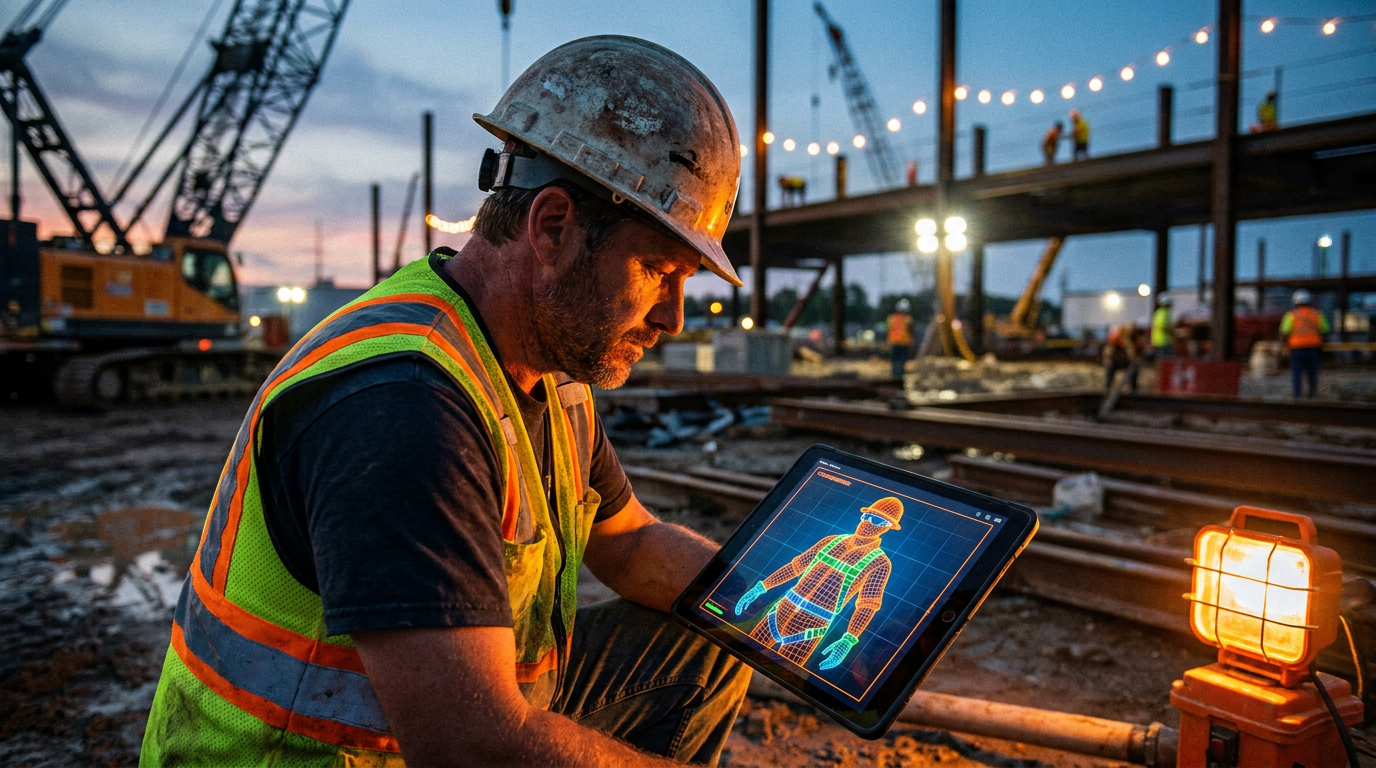
AI for jobsite safety monitoring uses cameras and computer vision to automatically detect risks. This technology can spot missing PPE, identify fall hazards, monitor equipment use, and alert supervisors to unsafe behaviors in real time, helping prevent accidents before they happen and creating a safer work environment.
An Extra Set of Eyes: AI for Jobsite Safety Monitoring
Safety is not a line item. It's the foundation of every good job. We all know the risks. According to the Bureau of Labor Statistics, the construction industry saw over 195,000 nonfatal injuries in a single recent year. That's a lot of hurt, a lot of lost time, and a lot of paperwork.
For decades, we’ve relied on safety managers, toolbox talks, and personal responsibility. Those things are still vital. But now, we have a new tool in the belt: artificial intelligence. It’s like having an extra set of eyes on site, one that never blinks, gets tired, or looks away.
This isn't about replacing your safety foreman. It's about giving them superpowers. Let's cut through the tech talk and see how AI for jobsite safety monitoring actually works on the ground.
What is AI Jobsite Safety Monitoring?
At its core, AI safety monitoring uses computer vision. Think of it like this: you have cameras on your jobsite. The AI software watches the video feeds from those cameras and is trained to recognize people, equipment, and specific situations.
It’s not just recording. It’s analyzing. The AI can tell the difference between a worker wearing a hard hat and one who isn't. It can identify when a person walks into a 'no-go' zone, like the swing radius of an excavator. It's a digital spotter that works 24/7.
When the AI sees something that breaks a safety rule you’ve set, it sends an alert. This could be a text to the site supervisor, a notification on a dashboard, or even an audible alarm on site. The goal is to catch a risky situation in seconds, not find out about it after an accident report is filed.
How It Actually Works on the Ground
This isn't science fiction. Companies across the country are using this tech right now. Here are the most common ways it's put to work:
PPE Detection: The most popular use. The AI can scan the site and instantly flag anyone not wearing required Personal Protective Equipment. This includes hard hats, high-visibility vests, and safety glasses. It provides a real-time check on compliance without someone having to watch every single person all day.
Hazard Zone Monitoring: You can draw virtual fences (geofences) around dangerous areas. This could be open trenches, areas under live loads, or zones around heavy machinery. If a person or unauthorized vehicle crosses into that zone, an alert is triggered immediately.
Fall and Hazard Identification: The AI can be trained to spot potential fall risks, like workers getting too close to an unprotected leading edge. It can also identify trip hazards like poorly stored materials or tangled cords, allowing you to clean them up before someone takes a fall.
Equipment Safety: The system can monitor heavy equipment. Is an excavator being operated too close to other workers? Is a forklift moving too fast? It can also help with security by flagging unauthorized use of equipment, especially after hours.
This technology is a key part of improving your daily jobsite operations, creating a smarter and safer environment.
The Real-World Payoff
Implementing new tech costs time and money, so the return has to be worth it. With AI safety monitoring, the benefits are clear and direct.
First, and most importantly, it reduces accidents. The National Safety Council points out that for every major injury, there are dozens of minor ones and hundreds of near-misses. AI helps you spot those near-misses and unsafe behaviors, letting you correct them before they become accidents. Fewer injuries mean your crew goes home safe.
Second, it can lower your costs. Fewer accidents mean fewer workers' compensation claims and potentially lower insurance premiums. Your Experience Modification Rate (EMR) is a direct reflection of your safety record. A better record means you pay less. Plus, you avoid the massive hidden costs of an accident, like project delays, equipment damage, and OSHA investigations.
Third, it creates an automatic record. When an incident does happen, you have video evidence and data logs. This provides a clear, unbiased record of events for incident reports and compliance documentation. It’s solid proof that you are taking proactive steps to maintain a safe site.
Getting Started Without Breaking the Bank
You don’t need to be a giant national builder to use this technology. Many modern AI safety systems are designed to be affordable and scalable for small to mid-sized contractors.
Many solutions are software-based. This means they can often work with the security cameras you may already have on site. You pay a subscription fee for the software to analyze your camera feeds. This avoids a massive upfront cost for new hardware.
Our advice? Start small. Pick one or two key risks you want to manage. Maybe it's just PPE detection on your main entrance camera. Or maybe it's monitoring a single high-risk area. Run a pilot program, see the results for yourself, and then decide if you want to expand it across the job or to other sites.
Prompts to Put AI to Work
Thinking about how to bring this to your company? Use a large language model like ChatGPT to help you plan. Here are a couple of prompts you can use to get started.
Act as a construction operations manager. I need to create a simple scorecard to evaluate three different vendors for AI jobsite safety monitoring software. Create a table with criteria in the rows and vendor names in the columns. The criteria should include: cost per month, integration with existing cameras (yes/no), key features (like PPE detection, zone alerts), ease of use for a site supervisor, and quality of customer support. Fill it out with placeholder data for 'Vendor A', 'Vendor B', and 'Vendor C'.
Act as a construction safety manager. Write a script for a 5-minute toolbox talk to introduce a new AI camera safety monitoring system to my crew. The tone should be direct, confident, and respectful. Emphasize that this tool is to help everyone stay safe, not to spy on them. Explain that it will automatically flag things like missing hard hats or people walking into unsafe zones so we can fix problems before anyone gets hurt. End by asking for their cooperation to make the site safer for everyone.
It’s About Support, Not Spying
The biggest hurdle to this technology isn't the cost or the setup. It's your crew. If they think it's a 'Big Brother' system designed to get them in trouble, they’ll resent it. You have to be upfront.
Explain that the goal is to prevent accidents, period. The alerts go to the supervisor to fix a problem on the spot, not to a manager to hand out punishments later. When you frame it as a tool that has their back, you'll get buy-in. It’s another piece of equipment, just like a harness or a guardrail, designed to make sure everyone clocks out in one piece.
AI isn't a magic wand for jobsite safety. You still need a strong safety culture, good training, and common sense. But it is a powerful tool that gives you an advantage in the constant fight against risk. It’s about being proactive, not reactive, and giving your team the safest site possible.
Frequently asked questions
37 copy-paste prompts that save tradespeople 5+ hours a week. Plus one short email every Friday — no fluff.
More for jobsite ai
How Plumbers Use ChatGPT on the Jobsite (5 Ways)
How Plumbers Use ChatGPT on the Jobsite (5 Ways) comes down to using AI to do the slow stuff — quoting, paperwork, marketing, and customer follow-up — so y
How to Use ChatGPT on the Jobsite (Practical Guide)
How to Use ChatGPT on the Jobsite (Practical Guide) comes down to using AI to do the slow stuff — quoting, paperwork, marketing, and customer follow-up — s
AI Voice Notes to Job Report in 60 Seconds
AI Voice Notes to Job Report in 60 Seconds comes down to using AI to do the slow stuff — quoting, paperwork, marketing, and customer follow-up — so you can