AI & Manual S Reports: Can AI Pick Your HVAC Gear?
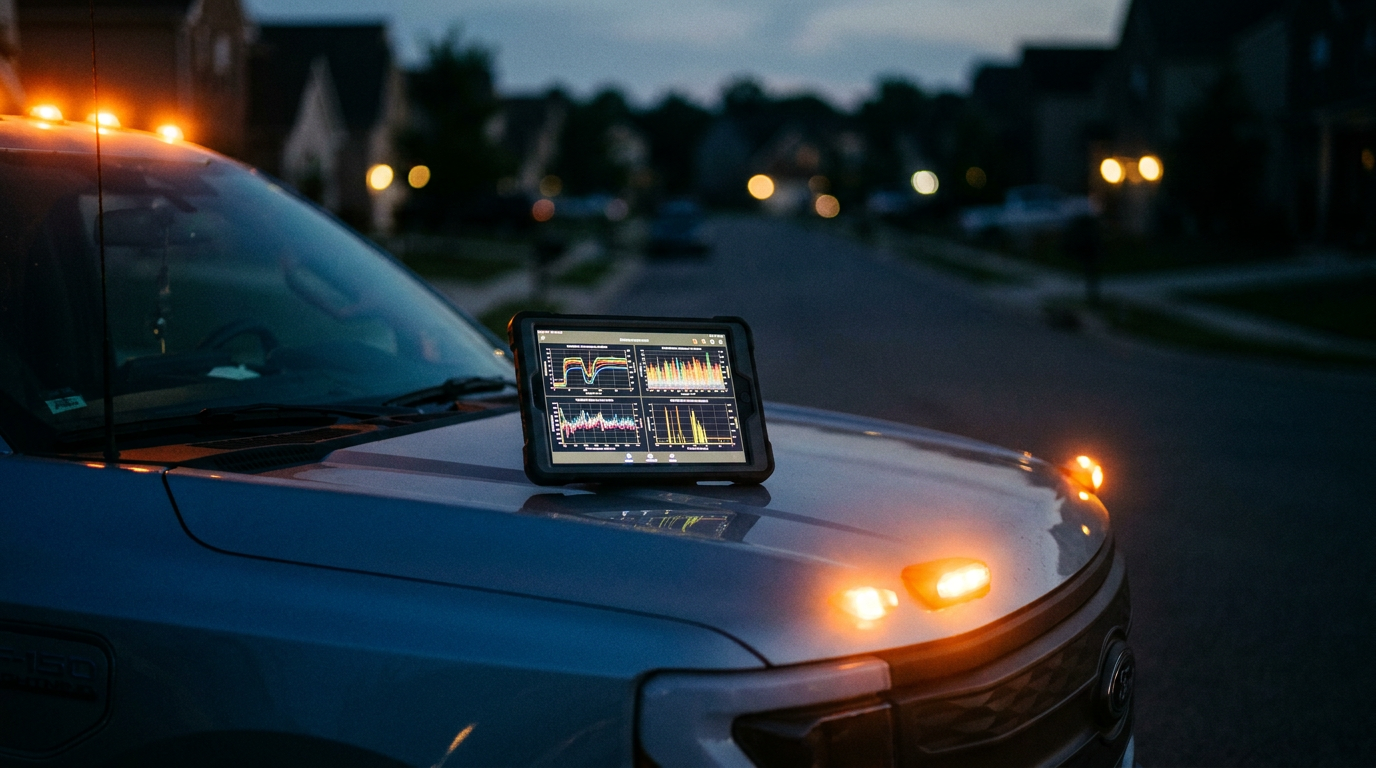
No, AI cannot fully generate an official ACCA Manual S report by itself. It lacks real-time access to proprietary manufacturer performance data needed for compliance. However, AI is a powerful tool for analyzing your Manual J load calculations and comparing them against equipment specs, speeding up your selection process.
Got Your Manual J? Here's How AI Can (and Can't) Do Your Manual S
You did the work. You ran the numbers for the Manual J load calculation. Now comes the next step: picking the right equipment. The Manual S process ensures the gear you install actually matches the home's specific heating and cooling needs. It’s where the science of the load calc meets the reality of the supply house.
For years, this meant digging through thick binders or clunky manufacturer software. Now, everyone's talking about AI. Can you just feed your Manual J numbers into a chatbot and get a perfect, permit-ready Manual S report? The short answer is no. But the real answer is more interesting. AI can't replace you, but it can be one of the best tools in your truck for getting Manual S done right and done fast.
What is a Manual S Report, Really?
Before we talk about AI, let's get on the same page. ACCA's Manual S is the industry standard for selecting and sizing residential heating and cooling equipment. It's not just about matching the total BTUs from your Manual J.
Manual S is about making sure the equipment performs correctly under the specific design conditions of your project. This includes:
- Total Capacity: Does the unit have enough power for the hottest and coldest days?
- Sensible and Latent Capacity: Crucially, can the unit handle the home's specific humidity load (latent) and temperature load (sensible)? This is key in mixed or humid climates.
- Airflow: Does the equipment operate within the required CFM range?
Getting this wrong means callbacks. It means uncomfortable customers, high energy bills, and premature equipment failure. A proper Manual S is your professional proof that you chose the right tool for the job.
The Straight Dope: Can AI Do Your Manual S?
No, AI cannot generate a complete, official Manual S report that you can hand to a building inspector. Let's be clear about why.
Official Manual S compliance requires using up-to-the-minute performance data directly from equipment manufacturers, usually accessed through the AHRI Directory or the manufacturer's own selection software. This data is proprietary and changes constantly as new models are released and old ones are updated.
Public AI models like ChatGPT don't have a live, plugged-in connection to these private databases. The information they were trained on could be months or years out of date. Using an AI-generated equipment spec without verification is a recipe for a failed inspection and a poorly performing system.
So, if it can't do the final report, what good is it?
Where AI Shines for Equipment Selection
Think of AI as a super-smart apprentice. It can't sign off on the work, but it can do a ton of the legwork to get you to the finish line faster. It turns the tedious parts of Manual S into a simple conversation.
Here’s how you can use it today:
1. Analyze Your Manual J Data
Your Manual J report has a lot of numbers. Instead of scanning lines of data, you can ask AI to pull out the key metrics you need for Manual S. This helps you focus on what matters.
2. Compare Equipment Models
This is AI's killer app for Manual S. Let's say you have your Manual J results and you're looking at two different air conditioners. You can copy-paste the performance data for both units from a PDF or website, then ask AI to compare them against your requirements. It can check sensible/total capacity ratios, tell you which one is a better fit, and show its work.
I need to select an AC unit for a project. My Manual J cooling load is 34,500 BTU/h total and 24,800 BTU/h sensible.

Compare these two 3-ton models and tell me which is a better fit according to ACCA Manual S guidelines (sizing range of 90% to 115% of total load).

Model A Performance Data:
- Total Capacity: 35,200 BTU/h
- Sensible Capacity: 24,100 BTU/h
- Power: 2.9 kW

Model B Performance Data:
- Total Capacity: 36,100 BTU/h
- Sensible Capacity: 26,500 BTU/h
- Power: 3.1 kW

Analyze both the total and sensible capacity for each model against my load requirements. Explain your recommendation.
3. Explain Complex Topics
Need to explain to a new hire why Sensible Heat Ratio (SHR) is so important in your humid climate? Or want to draft a simple explanation for a customer about why a bigger unit isn't always better? AI is great at translating technical jargon into plain English.
Explain the concept of Sensible Heat Ratio (SHR) in HVAC like you're talking to a first-year apprentice. Why is it critical for comfort in a place like Houston, Texas? Give a simple example using a 3-ton AC unit.
4. Brainstorm Equipment Pairings
While AI can't access official AHRI matchup data, it can help you brainstorm potential combinations. You can describe the specs of an indoor coil and ask the AI to list the key performance metrics you should look for in a matching outdoor unit. This helps you narrow your search before you jump into the official manufacturer software. This process is essential for getting your quoting right the first time.
The Human Factor: You're Still in Charge
AI is a powerful tool, but it's just that—a tool. It doesn't have your experience, and it makes mistakes. Here's what you always need to do.
- Always Verify the Data: Never trust the performance specs an AI gives you. It can 'hallucinate' or pull from outdated sources. Your final selection must be based on current data from the manufacturer's product data sheets or certified software.
- Check Local Codes and Rebates: AI has no idea about that specific rule your local inspector enforces, nor does it know about the latest utility rebate for high-efficiency units in your area. That knowledge is your job.
- Use Your Field Experience: AI doesn't know that Brand X coils tend to have leaks after five years in your coastal climate. It doesn't know that Brand Y is a pain to service or that getting parts for Brand Z takes weeks. Your real-world experience is what makes you a pro. That's what a customer pays for.
Ultimately, the final call is yours. AI can help you analyze the options with incredible speed, but you are the one responsible for the equipment that gets installed. Use AI to work smarter, not to cut corners. It helps you get from the Manual J to a validated, compliant Manual S selection faster than ever before, freeing you up to handle the parts of the job that require a real expert.
Frequently asked questions
37 copy-paste prompts that save tradespeople 5+ hours a week. Plus one short email every Friday — no fluff.
More for hvac

AI for HVAC Contractors: Everything You Need to Know
AI for HVAC Contractors comes down to using AI to do the slow stuff — quoting, paperwork, marketing, and customer follow-up — so you can stay on the tools.

ChatGPT for HVAC Technicians: 20 Real Use Cases
ChatGPT for HVAC Technicians comes down to using AI to do the slow stuff — quoting, paperwork, marketing, and customer follow-up — so you can stay on the t
AI HVAC Load Calculation: Manual J in Minutes
AI HVAC Load Calculation comes down to using AI to do the slow stuff — quoting, paperwork, marketing, and customer follow-up — so you can stay on the tools