
Big Property, Small Start: Phased Landscaping with AI
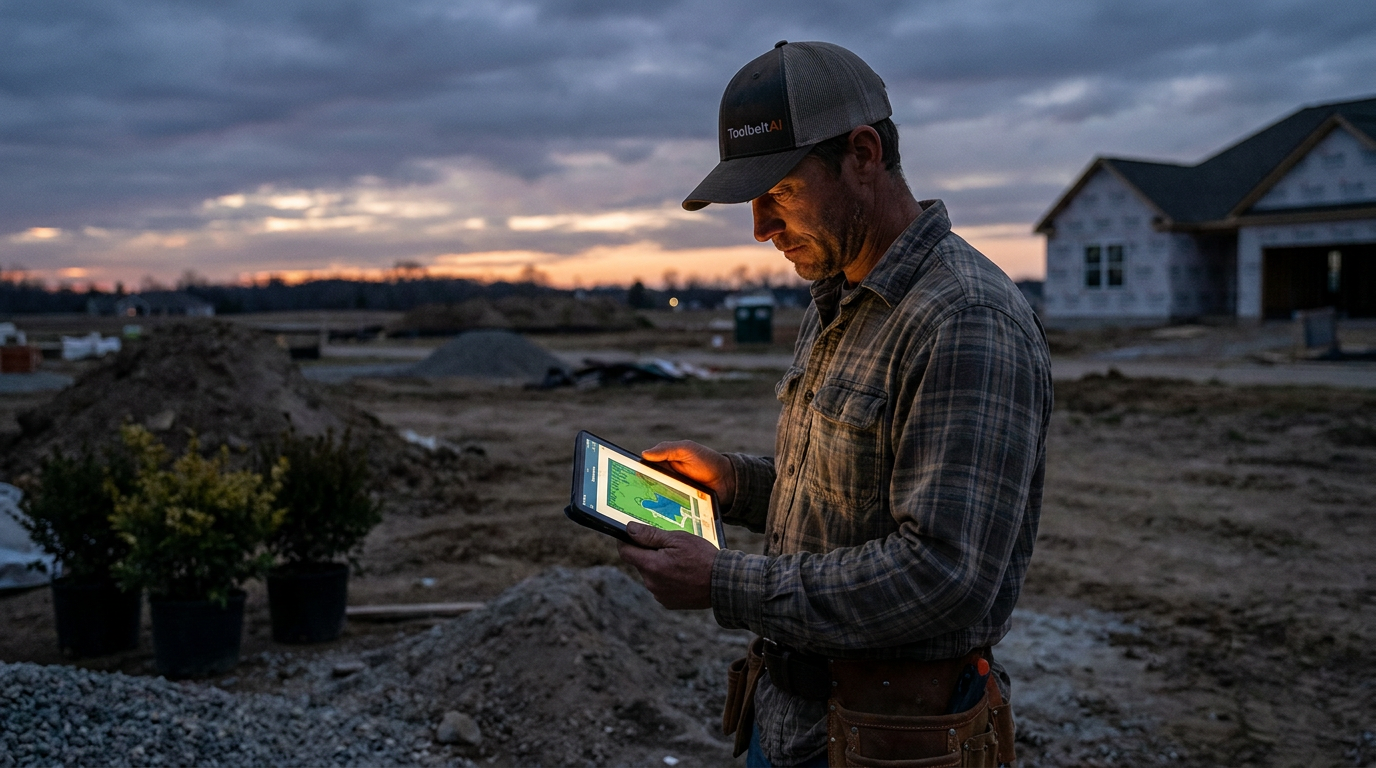
AI for phased landscape project planning helps you break down large projects into logical, budget-friendly stages. By feeding an AI tool project details like property size, client goals, and budget, you can generate a multi-year plan. This helps manage client expectations and secure long-term work for your business.
Big Dreams, Phased Reality
You've been there. A client with a huge property has a vision straight out of a magazine. They want the patio, the outdoor kitchen, the water feature, the lighting, and a whole new garden. Then you give them the number, and their face drops. The project stalls before it even starts.
Big jobs often come with big price tags that scare clients away. But what if you could give them their dream yard over time, in pieces they can actually afford? That's phased project planning. And AI is the perfect tool to help you map it out quickly and clearly.
Using AI to create a phased plan isn't about letting a robot do your job. It's about using a smart tool to organize complex information. It helps you show the client a clear path from their current yard to their ultimate vision, one step at a time. This turns a single, intimidating quote into a multi-year revenue stream for your business.
Why Phase a Big Landscaping Job?
Breaking a large project into smaller stages isn't just about the budget. It offers real benefits for both you and your client.
For the Client:
- Budget-Friendly: They can pay for the project in manageable chunks over two, three, or even five years.
- Less Disruption: Instead of their entire property being a construction zone for months, work is contained to one area at a time.
- Flexibility: It allows them to live with a change, see how they use the space, and adjust plans for the next phase.
For Your Business:
- Predictable Revenue: A three-year phased plan means you have that client's business locked in for three years. It makes forecasting easier.
- Better Logistics: You can plan your material orders, crew schedules, and subcontractor needs far in advance.
- Stronger Relationships: You become their go-to property expert, building trust over years, which leads to more referrals.
- Upsell Opportunities: As you complete each phase, it's natural to discuss what's next and add to the plan.
Getting Started: What AI Needs to Know
Garbage in, garbage out. The quality of the phased plan your AI generates depends entirely on the quality of the information you give it. Before you start writing a prompt, gather all the key details.
Think of it as loading your digital toolbelt. You need:
- Property Details: Size of the lot, existing structures, slope, and any known issues like poor drainage or problem areas.
- Client's Wishlist: Get them to separate their list into "must-haves" (like a safe play area for kids) and "nice-to-haves" (like a koi pond).
- Budget: Get a realistic total budget, even if it's theoretical. Also, ask for a comfortable annual or per-phase budget.
- Priorities: What's most important to them? Privacy? Entertainment space? Low maintenance? Curb appeal?
- Site Conditions: Note the sun/shade patterns, soil type, and local climate zone (e.g., USDA Hardiness Zone). This is crucial for planting plans.
- Local Rules: Mention any known zoning laws, HOA rules, or permitting requirements.
Once you have this information, you can build a powerful prompt that gives the AI all the context it needs to create a logical, useful plan.
The Right Prompts for Phased Plans
A good prompt is specific and gives the AI a role to play. Don't just ask it to "make a plan." Tell it who to be and what to consider. Here are a few prompts you can copy and paste today.
Act as an experienced landscape contractor. I have a client with a 1.5-acre residential property in USDA Zone 6b. Their total project vision includes a new paver patio with a fire pit, an outdoor kitchen, privacy screening along the back fence, a new front walkway, and extensive perennial gardens. Their total budget is around $150,000, but they can only spend $50,000 per year.

Create a logical 3-phase, 3-year plan. Prioritize foundational work, hardscaping, and major construction first. Phase 1 should focus on the most immediate needs and have the biggest impact. Phase 3 can include the 'nice-to-have' elements. For each phase, list the key projects, the estimated percentage of the budget, and the main goal of that phase.
This first prompt is great for the big picture. For more focused jobs, you can get more specific with the budget and features.
Act as a landscape project planner. A client wants to build a complete backyard entertainment area. Their total budget is $75,000. They want to phase the project to manage cash flow.

The final project must include:
1. A 400 sq ft paver patio.
2. A natural gas fire pit.
3. A small outdoor kitchen with a grill island and refrigerator.
4. Low-voltage landscape lighting.
5. A sitting wall around the patio.
6. Planting beds with low-maintenance shrubs and perennials.

Break this project into 2-3 phases based on cost and function. Phase 1 should be a usable space on its own. Explain the logic for why you are grouping certain items together in each phase. Assign a rough percentage of the total $75,000 budget to each phase.
From AI Output to Actionable Blueprint
The AI will spit out a clean, organized, text-based plan. This is your starting point, not the final contract. Your professional experience is what turns this outline into a real-world project. No AI can walk a property and spot a drainage issue or know that the local supplier has a great deal on a specific paver.
- Review and Edit: Read through the AI's plan. Does the sequence make sense? Did it put the irrigation in after the patio? Correct any logical errors. Use your knowledge to improve the plan.
- Add Your Expertise: The AI might suggest "low-maintenance perennials." You know the specific varieties that thrive in your area's soil and sun. The AI suggests a "grill island." You know the best local mason or subcontractor to build it.
- Build the Quote: Use the phased plan as the framework for your official quote. Break out the pricing by phase, so the client sees exactly what they're getting and when. This transparency builds huge trust. A clear, phased quote is one of the best marketing tools you have.
- Create a Client-Facing Summary: The plan might have technical details. Use AI to create a simple, benefit-focused version for the client. Ask it: "Rewrite this phased plan in simple terms for a homeowner, focusing on the benefits and the experience they will get from each phase."
Managing the Phased Project for Long-Term Success
A phased plan is a roadmap you and the client share. It sets expectations and keeps the project moving forward over the long haul.
When you finish Phase 1, the conversation isn't "goodbye." It's "let's schedule a meeting to review the plan for Phase 2 next spring." This turns a one-off job into a reliable, long-term client relationship.
Use the time between phases to stay in touch. Send them articles about plant care or new outdoor living trends. You're not just their contractor; you're their trusted partner in creating their dream property. This is how you build a business that weathers any storm. An AI-generated plan is more than just a document; it's a foundation for years of profitable work and happy customers. It's a key part of your quoting and client management process.
Frequently asked questions
37 copy-paste prompts that save tradespeople 5+ hours a week. Plus one short email every Friday — no fluff.
More for landscaping
AI for Landscaping Business Owners: Real ROI
AI for Landscaping Business Owners comes down to using AI to do the slow stuff — quoting, paperwork, marketing, and customer follow-up — so you can stay on

ChatGPT Prompts for Lawn Care Business (20 Tested)
ChatGPT Prompts for Lawn Care Business (20 Tested) comes down to using AI to do the slow stuff — quoting, paperwork, marketing, and customer follow-up — so