Before the Dirt Flies: AI for Pre-Construction Analysis
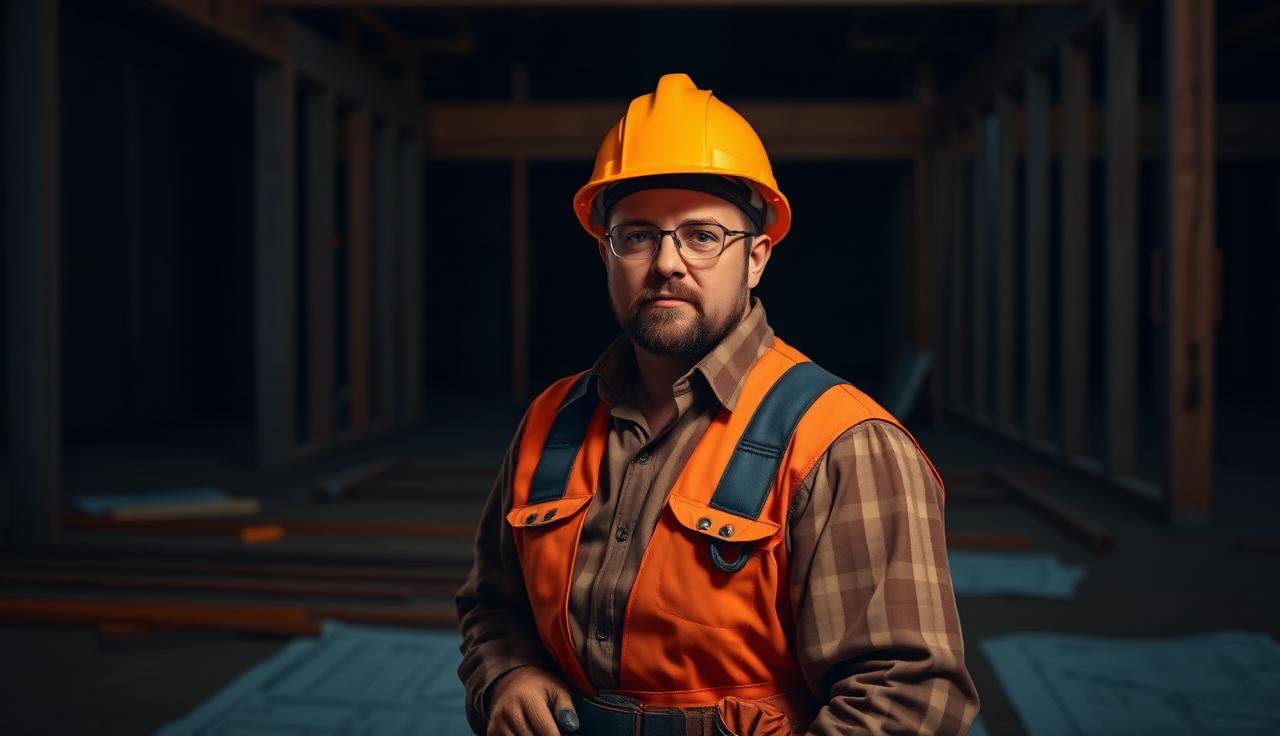
General contractors use AI for pre-construction analysis to process huge amounts of data quickly. AI tools can review blueprints for clashes, analyze soil reports for risks, and create more accurate cost estimates and schedules. This helps catch expensive problems before any dirt is moved, saving time and money.
Before the Dirt Flies: How AI for Pre-Construction Analysis is Changing the Game
Pre-construction is where projects are won or lost. A single missed detail in a blueprint, a bad estimate, or a poorly planned schedule can blow up your budget and timeline before the first shovel even hits the ground. We’ve all been there. The pre-con phase is a mountain of paperwork, plans, and variables. Your experience and gut feelings are your best tools, but they can’t see everything.
This is where Artificial Intelligence comes in. Forget robots laying bricks. The most practical use of AI for GCs today is happening in the office, long before you mobilize on site. AI is a tool that can scan thousands of documents, analyze complex data sets, and spot patterns a human might miss. It’s about adding a layer of data-driven certainty to your hard-earned expertise.
More Than Just Bidding
The pre-construction phase isn't just about winning the bid. It's the entire foundation of a successful build. It includes:
- Feasibility Studies: Is this project even viable? What are the major roadblocks?
- Design & Engineering Review: Do the plans make sense? Are there conflicts between structural, mechanical, and electrical systems?
- Cost Estimation: Getting the numbers as tight as possible based on material costs, labor, and market conditions.
- Risk Assessment: What could go wrong? Weather, supply chain issues, regulatory hurdles, surprise soil conditions.
- Scheduling: Creating a realistic timeline that coordinates dozens of trades and suppliers.
Traditionally, this involves long hours, spreadsheets with a million tabs, and a lot of crossed fingers. A mistake in any of these areas creates problems that get more expensive to fix with every phase of the project.
Where AI Fits in Your Pre-Con Workflow
AI isn’t one single thing. It’s a set of technologies that excel at specific tasks. For a GC in pre-construction, it’s like having a team of super-powered analysts who never sleep.
Clash Detection and Plan Review
This is one of the most powerful uses. AI can scan 2D plans and 3D BIM (Building Information Modeling) files to find clashes. That’s where an HVAC duct is routed through a structural beam, or plumbing lines conflict with electrical conduit. Finding these on a screen costs pennies. Finding them on-site, after the work is done, costs thousands in rework and delays.
Advanced Risk Assessment
Your gut tells you a winter build in Chicago might face weather delays. AI can quantify that risk. It can analyze decades of historical weather data from NOAA to predict the likely number of non-workable days. It can scan geotechnical reports to flag soil inconsistencies or analyze local zoning laws to catch potential compliance issues you might have overlooked.
Smarter Cost Estimation
Your estimates are already good, but they can be better. AI models can analyze your past project data against current material prices from services like the Dodge Construction Network and local labor rates. It helps you build a detailed, data-backed estimate that accounts for variables you might not have considered, leading to more profitable bids and fewer budget surprises. Check out our guide to better construction quoting for more on this.
Dynamic Scheduling
AI takes the Critical Path Method to the next level. Tools like Alice Technologies can run thousands of project simulations in minutes. You input your tasks, dependencies, and resources. The AI then generates multiple optimized schedule options. What if the steel delivery is two weeks late? The AI can instantly show you the ripple effect on the entire project and suggest the best alternative path forward.
Prompts You Can Use Today
You don't need expensive software to start. You can use large language models like ChatGPT or Claude to help organize your thoughts and stress-test your plans. Here are a couple of prompts to get you started.
Act as a senior construction risk manager with 30 years of experience on commercial projects. I am in the pre-construction phase for a new project. Here is the summary:

Project: [Describe your project in 2-3 sentences. Include type, location, size, and timeline. For example: A 5-story, 60-unit apartment building in Denver, CO. Wood-frame construction over a 2-level concrete podium garage. Planned start date is November 1st.]

Based on this summary, identify the top 10 potential risks. Categorize each risk as Financial, Logistical, Safety, Environmental, or Regulatory. For each risk, briefly explain why it's a concern for this specific project.
Act as a 'red team' consultant hired to find weaknesses in a project plan. I am providing you with the Scope of Work (SOW) for the HVAC subcontractor on a new commercial build. Your job is to review this SOW and identify potential problems.

Read the SOW below and provide the following:
1.  A list of 3-5 potential ambiguities or vague statements that could lead to disputes later.
2.  A list of critical information that appears to be missing from the SOW.
3.  A list of 5 clarifying questions I should ask the subcontractor before we sign the contract.

Here is the SOW: [Paste the subcontractor's scope of work here.]
Beyond Basic Prompts: The Heavy Hitters
While general AI is a great starting point, specialized platforms offer deeper integration. Companies like Procore, Autodesk, and Trimble are all building AI into their existing construction management software. Other startups are focused purely on AI-driven solutions:
- TestFit: Uses generative design AI to rapidly create building designs based on a set of rules, helping GCs and developers explore feasibility options in hours, not weeks.
- Buildots: Uses computer vision and AI to track on-site progress against your plans and schedule. The data it collects on one job becomes invaluable for planning the next one.
- Indus.ai (by Procore): Analyzes jobsite video feeds to monitor for safety compliance and track productivity, providing data that informs future risk assessments.
These tools represent a bigger investment, but they also provide more automated and integrated analysis. They are a core part of improving your overall operations.
Handling the Objections
Bringing a new tool into the workflow always comes with pushback. Let's tackle the common ones.
- "It's too expensive." Starting with free tools costs nothing but time. The cost of a single major rework caused by a missed clash will almost always be more than a yearly subscription to a specialized AI service.
- "I trust my experience." You should. AI doesn't replace your experience; it supercharges it. It’s a tool that handles the grunt work of data analysis, freeing you up to make the big command decisions. It finds the needle in the haystack so you know where to focus your attention.
- "My team won't use it." Start small. Don't try to change your entire workflow overnight. Introduce one tool for one specific problem. When the team sees it save them from a weekend of rework by catching a major plan error, they'll be asking what else it can do.
AI is no longer a futuristic concept. It's a practical tool that is helping GCs build safer, faster, and more profitably. By using it to analyze your projects before the dirt flies, you're not just preventing problems—you're building a stronger foundation for your entire business.
Frequently asked questions
37 copy-paste prompts that save tradespeople 5+ hours a week. Plus one short email every Friday — no fluff.
More for general contractors

AI for General Contractors: A Builder's Playbook
AI for General Contractors comes down to using AI to do the slow stuff — quoting, paperwork, marketing, and customer follow-up — so you can stay on the too
How to Use AI for Construction Project Management
How to Use AI for Construction Project Management comes down to using AI to do the slow stuff — quoting, paperwork, marketing, and customer follow-up — so