AI & Pre-Fabrication: Build Roofs On The Ground
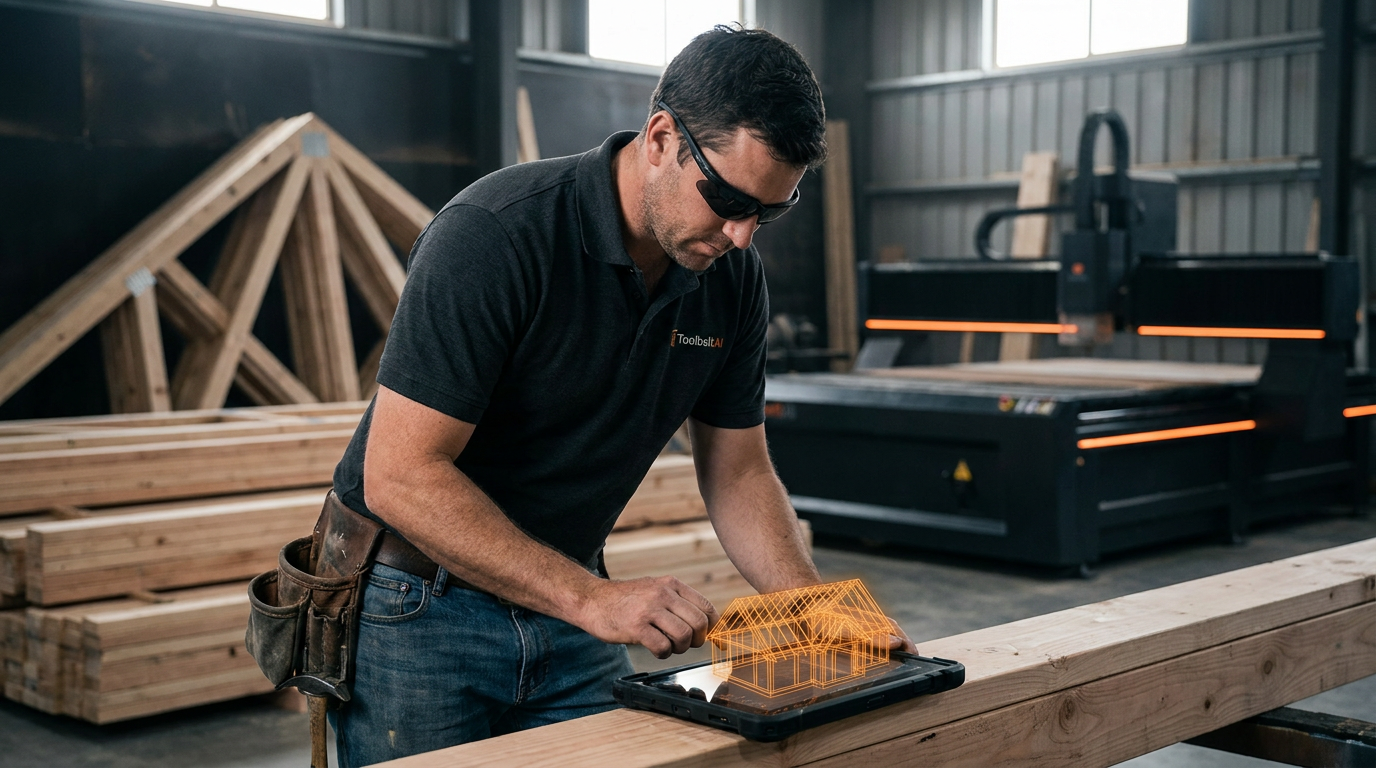
AI for pre-fabrication in roofing uses smart software to design, plan, and cut roofing components in a controlled setting before they reach the job site. This process uses data from scans and plans to optimize materials, guide robotic cutters, and schedule delivery, leading to faster, more accurate, and safer installations.
Build It On The Ground: How AI is Changing Roofing with Pre-Fabrication
The roofing business is tough. It’s hard on the body, the schedule is always tight, and finding good help is a constant battle. We’re always looking for an edge. What if you could build most of a roof in a workshop, protected from the weather, and then just assemble it on site? That’s pre-fabrication. And now, with artificial intelligence, it’s getting smarter and more accessible than ever.
This isn't about robots taking over. It's about using tools that let your crew work safer and faster. It’s about cutting waste, hitting deadlines, and putting a better product on your customer’s house. Let's get into how AI and pre-fabrication are changing the game from the ground up.
What is Pre-Fabrication, Exactly?
Pre-fabrication, or “pre-fab,” is simple. It means building parts of a structure off-site in a controlled environment. For roofing, this usually means trusses, wall panels, and sometimes entire roof sections.
Instead of hauling lumber up a ladder and cutting rafters in the wind and rain, your crew is working with components that were built to precise specifications in a factory or workshop. They arrive at the job site like a kit of parts, ready for assembly.
This idea isn’t new. Roof trusses have been pre-fabricated for decades. What is new is the level of precision and complexity we can achieve, thanks to AI.
Where AI Fits Into the Picture
AI acts as the brain behind the pre-fab operation. It takes the guesswork and human error out of the most complicated parts of the job. Here’s how it works at each step:
1. Design and Modeling
It starts with a plan. You can feed architectural drawings, blueprints, or even 3D scans from a drone into AI-powered software. The AI then gets to work.
- Generative Design: The software can generate dozens or even hundreds of design options for the roof structure. It analyzes for strength, material use, and ease of assembly. It finds the best way to build it that a human might not even consider.
- BIM Integration: It works with Building Information Modeling (BIM) software to create a perfect digital twin of the roof. Every beam, joint, and panel is accounted for. This digital model becomes the single source of truth for the project, from the workshop to the job site.
2. Material Optimization
Waste costs money. We all know the pain of seeing a dumpster full of expensive lumber off-cuts. AI directly attacks this problem.
Based on the digital model, the AI calculates the most efficient way to cut all the needed components from raw materials like lumber and sheet goods. This is called “nesting.” It arranges the shapes on the material like a puzzle to minimize scrap. We’re not talking about saving a few inches; this can reduce material waste by 15-30%, according to industry reports. That’s pure profit back in your pocket.
3. Automated Cutting and Assembly
This is where the digital plan becomes a physical reality. The cutting instructions from the AI are sent directly to automated machinery.
- CNC Routers: Computer Numerical Control (CNC) machines use the AI's instructions to cut wood, metal, and composites with incredible precision—down to a fraction of an inch. Every angle is perfect, every length exact.
- Robotic Arms: In more advanced shops, robotic arms can pick, place, and even fasten components together to build trusses and panels. This takes the most repetitive and physically demanding work off your crew.
Ready to see how you could explain this to your team? Here's a prompt to get you started.
Act as a construction manager. Write a simple, one-page memo for my roofing crew explaining our new partnership with a pre-fabrication supplier that uses AI. Focus on the benefits for them: increased safety (less time on steep roofs), faster build times (less overtime in bad weather), and easier installation (parts fit perfectly). Keep the tone direct and confident. Explain that this technology helps us work smarter, not harder, and secures more jobs for the company. End with a call for questions at the next toolbox talk.
The Real-World Benefits for Your Crew
This tech sounds fancy, but what does it actually mean for your day-to-day? The benefits are real and they hit the biggest pain points in our trade.
- Massive Safety Boost: This is the big one. The less time your team spends on a high, sloped roof, the lower the risk of a fall. According to the U.S. Bureau of Labor Statistics, falls, slips, and trips are the leading cause of fatalities in construction. By building components on the ground, you are fundamentally making the job safer. It's that simple.
- Work Faster, Rain or Shine: Pre-fabrication moves a huge chunk of the work indoors. Weather delays become less of a problem. On-site, assembly is much faster than stick-building. A roof that might take a week to frame can be assembled in a couple of days. That means you can complete more jobs per season.
- Get It Right the First Time: Machine precision means no more re-cutting. No more sistering rafters because someone misread the tape. Pre-fab components fit together exactly as planned. This reduces frustrating rework and keeps the project moving.
- Beat the Labor Shortage: It’s hard to find skilled labor. With pre-fab, you don't need a master framer on every single job. The high-skill work is done in the design phase and at the fabrication shop. Your on-site crew can focus on safe and efficient assembly, which is an easier skill to train.
Looking to explore your options? You'll need to talk to your suppliers.
Draft a professional email to a building materials supplier. I am the owner of a mid-sized roofing company. I'm interested in using pre-fabricated roof components to improve job site safety and efficiency. Ask them what AI-driven or automated pre-fabrication services they offer for roof trusses, wall panels, or other systems. Inquire about the design process, lead times, delivery logistics, and any software or data requirements from my end (like blueprints or 3D models). Request a meeting or call to discuss a pilot project.
How to Get Started Without Breaking the Bank
Jumping into pre-fab doesn't mean you have to build a multi-million dollar robotics factory tomorrow. You can ease into it.
- Start with Suppliers: The easiest first step is to work with suppliers who have already invested in this technology. Most modern truss manufacturers use sophisticated software, much of it AI-driven. Start by ordering pre-fab trusses for your next few jobs. See how it impacts your workflow.
- Invest in Design Software: The next step could be bringing the design phase in-house. Invest in CAD or BIM software that has AI-powered plugins for optimization. This gives you more control over the design before you send it to the fabricator. This is a key part of improving your company operations.
- Consider a CNC Machine: For larger companies, bringing a CNC router in-house for cutting custom components could be a logical next step. This is a significant investment, but for companies doing a high volume of complex roofs, the ROI from reduced waste and increased speed can be huge.
It's about taking one step at a time and finding where the technology can solve a real problem in your business today.
Create a simple outline for a training session for my roofing crew on how to install pre-fabricated roof trusses for the first time. The outline should include three main sections: 1) Pre-Job Prep (reviewing the layout plan, safety brief on crane operation and rigging), 2) On-Site Assembly (step-by-step guide for staging, lifting, and securing trusses), and 3) Post-Install Checks (verifying spacing, bracing, and final inspections). Focus on clear, simple action items for each section.
This Isn't Sci-Fi. It's Your Next Competitive Edge.
AI for pre-fabrication isn't some far-off future. The tools are here, and the companies using them are pulling ahead. They are finishing jobs faster, with less material waste, and with safer crews.
By building it on the ground, you protect your people and your profits. Start asking the questions. Talk to your suppliers. Look at the software. The next big step for your business might not be on the roof, but in the workshop.
Frequently asked questions
37 copy-paste prompts that save tradespeople 5+ hours a week. Plus one short email every Friday — no fluff.
More for roofing
AI for Roofing Contractors: The Complete Guide
AI for Roofing Contractors comes down to using AI to do the slow stuff — quoting, paperwork, marketing, and customer follow-up — so you can stay on the too
AI Roof Measurement From a Photo: Apps That Work
AI Roof Measurement From a Photo comes down to using AI to do the slow stuff — quoting, paperwork, marketing, and customer follow-up — so you can stay on t