AI for Proactive Roof Maintenance: Stop Leaks Before They Start
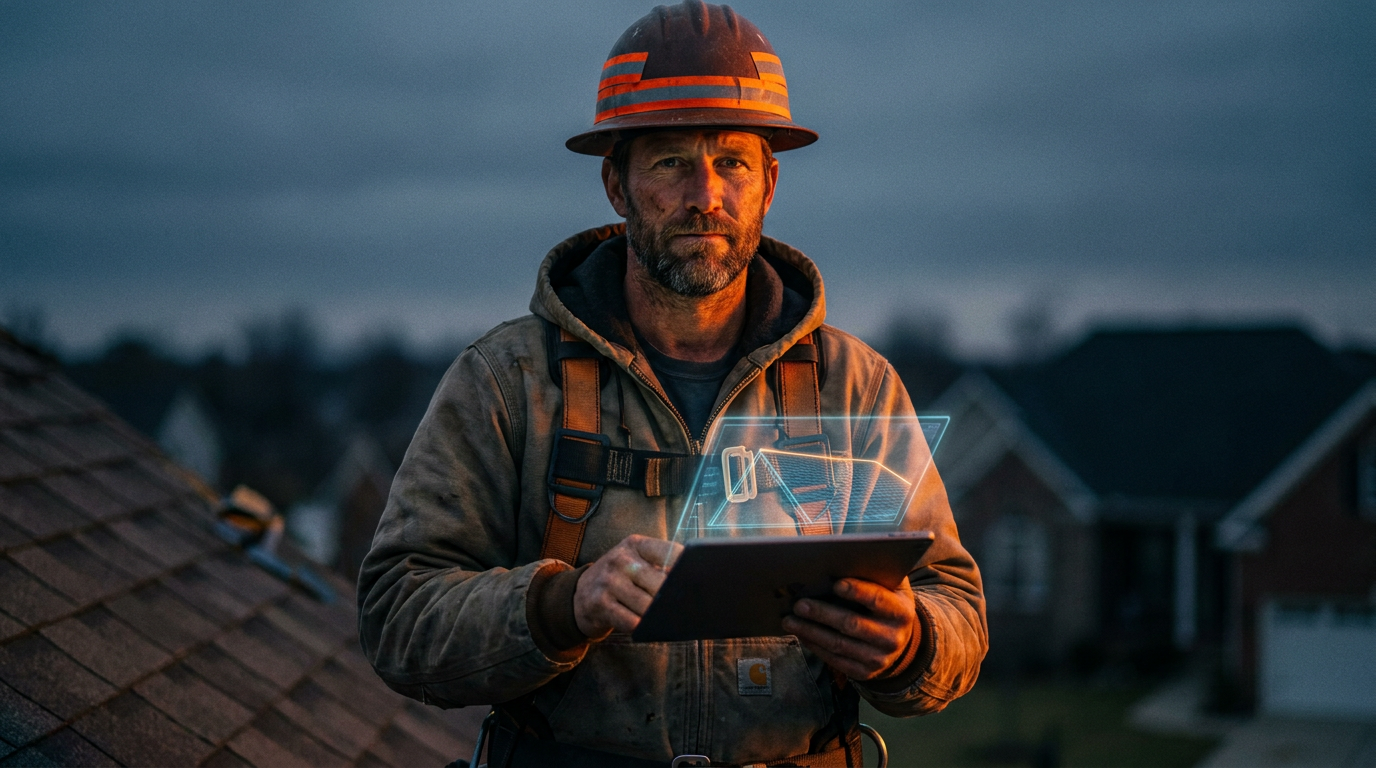
AI for proactive roof maintenance works by analyzing data from drones, weather patterns, and past repairs to predict future problems. This allows roofing contractors to create smart, preventative maintenance schedules, spotting weak points and scheduling fixes before a small issue becomes a catastrophic leak for a client.
Stop Chasing Leaks. Start Predicting Them.
For years, a roofer's life has been reactive. The phone rings, there's a leak, and you scramble to fix it. It's a cycle of emergency calls, unpredictable schedules, and jobs that often feel like you're just putting out fires. But what if you could get ahead of it? What if you could tell a customer their roof needed a fix before they even saw a water spot on the ceiling?
That's not science fiction anymore. It's what happens when you use AI for proactive roof maintenance. This isn't about robots laying shingles. It's about using smart technology to turn your roofing business from a reactive service into a predictable, high-value operation. You can build a schedule of profitable, planned work instead of waiting for the next storm to dictate your income.
This guide will break down how AI is changing the game. We'll show you how to use it to inspect roofs faster, predict problems with startling accuracy, and build a steady stream of revenue through maintenance contracts.
The Old Way vs. The Smart Way
Think about the typical roofing job. It starts with a frantic call from a homeowner. Water is coming in. You have to juggle your schedule, rush out for an inspection, and give them a quote for a repair that should have been prevented. The customer is stressed, and you're under pressure.
Proactive maintenance flips the script. Instead of waiting for failure, you offer clients a subscription-style plan. You inspect their roof on a regular schedule, using technology to spot tiny issues before they become big, expensive problems.
This approach has a few huge advantages:
- Steady Income: Maintenance contracts provide predictable, recurring revenue. This smooths out the seasonal dips and creates a stable financial foundation for your business.
- Happier Customers: You're not the emergency guy anymore. You're the trusted advisor who protects their biggest investment. This builds loyalty and generates referrals.
- Higher Profits: Planned maintenance is more efficient. You can schedule jobs logically, buy materials in advance, and avoid the costs of emergency call-outs. Non-emergency work is almost always more profitable.
How AI Changes the Game for Roofers
So where does AI fit in? It's the engine that makes a proactive model possible and powerful. AI tools, from simple chatbots to complex image analysis software, help you work smarter, not just harder.
Drone Data Analysis
A drone can fly over a 3,000-square-foot roof and capture hundreds of high-resolution photos in about 15 minutes. That's a job that could take a person an hour, with more risk. But the real magic happens next.
AI software can analyze those images in seconds. It can identify:
- Cracked, curled, or missing shingles
- Granule loss on asphalt shingles
- Areas of pooling water on flat roofs
- Failing seals around vents and flashing
- Early signs of rust on metal components
An AI can flag issues a human eye might miss, creating a detailed and objective report. This not only makes your inspections more accurate but also gives you a powerful visual tool to show the homeowner exactly what you're seeing.
Predictive Analytics for Roofing
This is where it gets really interesting. AI can act like a fortune teller for roofs. By combining different data points, it can predict the likelihood of failure.
An AI model can look at:
- Roof Data: Age, material, pitch, and past repair history.
- Weather Data: Local historical data on hail, high winds, heavy rain, and UV exposure.
- Inspection Imagery: Data from the drone photos showing current wear and tear.
By analyzing these factors together, the AI can flag a roof that is at high risk for developing a leak in the next 6-12 months. This allows you to approach the homeowner with a data-backed recommendation for preventative repairs, long before they'd ever think to call you.
Automated Scheduling and Client Communication
Once you have a dozen or more clients on maintenance plans, managing the schedule can be a headache. AI can automate this. You can use AI assistants to manage a master calendar, automatically scheduling inspections based on each client's plan.
More importantly, AI can handle the communication. It can draft and send:
- Appointment reminders
- Summaries of inspection findings
- Proposals for recommended work
- Follow-ups to ensure customer satisfaction
This frees up your time to focus on the actual roofing work and on selling more maintenance plans. Good quoting and communication are key to landing these jobs.
Putting AI to Work: Prompts You Can Use Today
You don't need a PhD in computer science to start. You can use a tool like ChatGPT right now to improve your business. Here are a few prompts to copy and paste.
Act as a marketing expert for a roofing company. Write a short, persuasive email (under 200 words) to a past customer. Introduce our new "Proactive Roof Shield" maintenance plan. Explain that for a small annual fee, we use advanced tools to inspect their roof, catch problems early, and prevent expensive emergency repairs. Focus on the benefits: peace of mind, protecting their home's value, and saving money in the long run.
I just finished a roof inspection. Here are my raw notes: "South slope has about 15% granule loss. Flashing around chimney shows minor surface rust. A few shingles are lifting on the west-facing ridge cap. Gutters have some debris buildup. The rest of the roof looks good for its age (12 years)."

Organize these notes into two sections:
1. A prioritized action plan for my crew.
2. A simple, easy-to-understand summary for the homeowner, explaining the issues and what we recommend.
The Payoff: More Revenue, Less Chaos
Switching to a proactive maintenance model powered by AI isn't just a fancy new trend. It's a fundamental shift in how you run your business, and the results speak for themselves.
- Build a Moat Around Your Business: When you have a client on a maintenance plan, they're not calling your competitors. You own that relationship.
- Turn Small Fixes into Big Jobs: A proactive inspection might reveal the need for a simple repair. It also puts you first in line when that roof eventually needs a full replacement.
- Improve Safety: Using drones for initial inspections keeps your crew off dangerous roofs until work is confirmed. Less time on ladders means fewer chances for accidents.
This strategy of building recurring revenue isn't unique to roofing. The most successful contractors in any trade, from HVAC tune-ups to landscaping, build their business on service agreements. AI just makes it easier and more effective than ever before.
Getting started can be as simple as using an AI chatbot to organize your client list and draft your first marketing email. As you grow, you can invest in more specialized drone and analysis software. The key is to start thinking like a business owner who sells peace of mind, not just a roofer who fixes leaks.
Frequently asked questions
37 copy-paste prompts that save tradespeople 5+ hours a week. Plus one short email every Friday — no fluff.
More for roofing

AI for Roofing Contractors: The Complete Guide
AI for Roofing Contractors comes down to using AI to do the slow stuff — quoting, paperwork, marketing, and customer follow-up — so you can stay on the too
AI Roof Measurement From a Photo: Apps That Work
AI Roof Measurement From a Photo comes down to using AI to do the slow stuff — quoting, paperwork, marketing, and customer follow-up — so you can stay on t