AI Translation on the Jobsite: Bridging Language Gaps
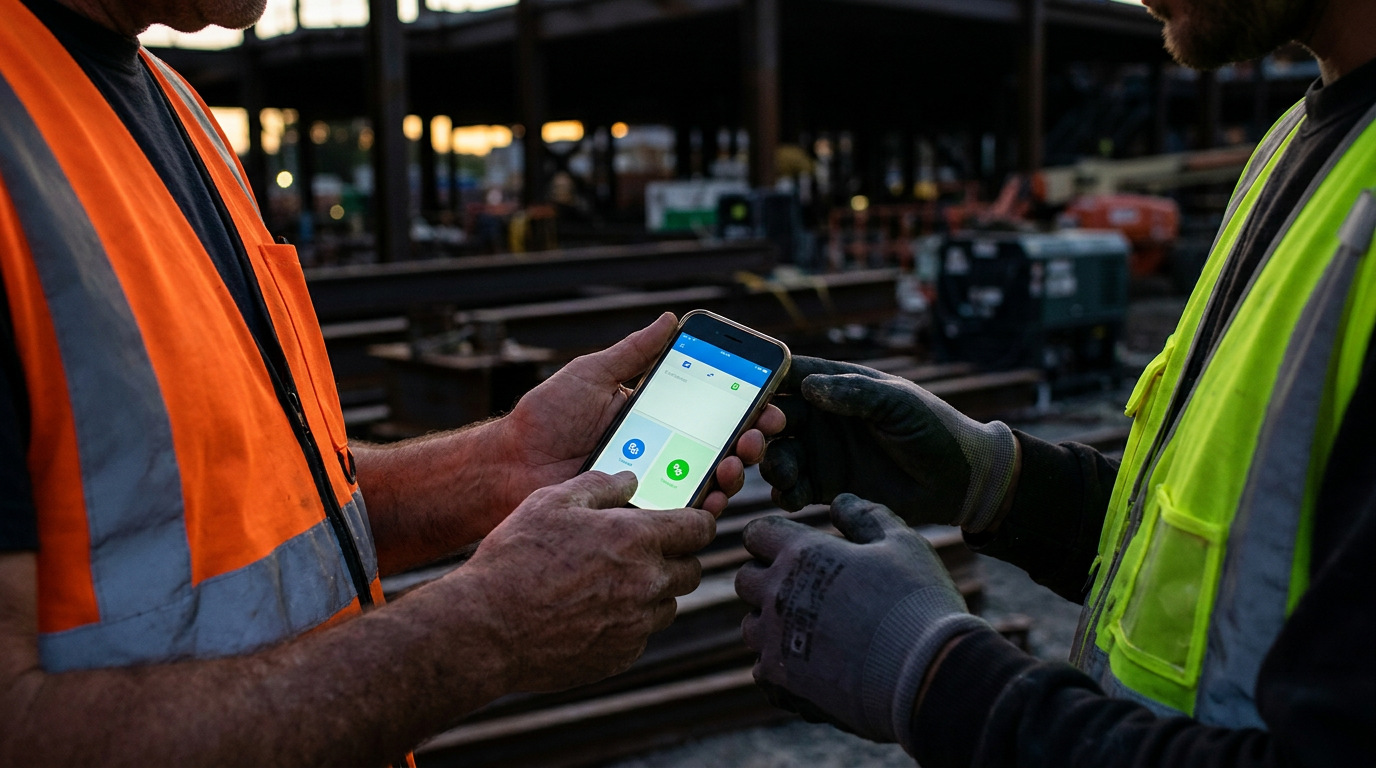
The best AI for real-time jobsite language translation are apps like Google Translate, Microsoft Translator, and SayHi. These tools use your phone's microphone to instantly translate spoken conversations, helping to improve safety, reduce errors, and keep projects on schedule by ensuring everyone on the crew understands instructions.
A jobsite runs on clear communication. When a foreman says, “Cut this board to 48 and a half inches,” there’s no room for error. But on a multilingual crew, simple instructions can get lost in translation. This isn't just about efficiency. It's about safety. A misunderstanding can lead to costly rework at best, and a serious injury at worst.
AI for real-time jobsite language translation isn't a sci-fi fantasy anymore. It’s a practical tool you can download to your phone right now. These apps can turn your smartphone into a universal translator, helping to bridge the language gap between English-speaking supervisors and the many skilled craftspeople who speak Spanish, Portuguese, or other languages. According to the Bureau of Labor Statistics, the construction industry relies heavily on foreign-born labor, making clear communication more critical than ever.
Why Communication Fails on a Diverse Jobsite
Language barriers are a direct threat to jobsite safety and productivity. When a worker doesn’t fully understand an instruction, they might guess. That guess could involve the wrong measurement, the wrong material, or the wrong safety procedure.
Consider these common scenarios:
- Safety Briefings: A toolbox talk about new fall protection protocols is useless if half the crew can't understand it.
- Technical Specs: Complex instructions involving precise measurements or sequences are easily confused.
- Emergency Situations: Shouting “Watch out!” or “Stop the machine!” needs to be understood instantly by everyone, regardless of their native language.
Miscommunication leads to wasted materials, project delays, and a tense work environment. More importantly, it can lead to OSHA recordables. Using technology to ensure everyone is on the same page is a direct investment in your team's well-being and your company's bottom line.
How AI Translation Apps Work
These apps are simpler than they sound. They use the technology already built into your smartphone.
- Listen: The app uses your phone’s microphone to listen to someone speaking.
- Process: It sends that audio to a powerful AI in the cloud, which analyzes the speech and determines the meaning.
- Translate: The AI translates that meaning into the target language.
- Speak or Show: The app then either speaks the translation out loud through your phone's speaker or displays it as text on the screen.
The whole process takes just a second or two. It’s fast enough for a back-and-forth conversation. The best apps have a “Conversation Mode” where two people can speak, and the app translates for both of them in real time.
The Top AI Translation Apps for Your Crew
You don't need special equipment to get started. These apps work on the Android and Apple phones your crew already carries.
Google Translate: This is the one everyone knows. It’s free and powerful. Its conversation mode is solid for one-on-one chats. You can also point your camera at a sign or document, and it will translate the text on your screen. The main drawback is that its best features require a good internet connection.
Microsoft Translator: A direct competitor to Google, Microsoft's app has one standout feature for jobsites: multi-device conversation mode. You can start a chat and have multiple people join from their own phones. As each person speaks in their language, the translation appears on everyone else's screen in their chosen language. It’s like having a UN meeting in the middle of your jobsite.
SayHi: Owned by Amazon, SayHi is a simple, free app focused entirely on voice translation. Its interface is clean and easy to use, which is a big plus when you’re wearing gloves or trying to have a quick conversation. It supports a wide range of languages and dialects.
iTranslate: This app has a free version, but its real power is in the paid “Pro” plan. For a monthly fee, you get access to offline translation packs. If your jobsites have spotty cell service, this is a huge advantage. You can download the languages you need and translate without an internet connection.
Prompts for Getting Clearer Translations
AI is a tool. To get the best results, you need to use it correctly. You can't just talk at it and expect perfect results, especially with jobsite jargon. Use these “prompts” to guide your team and the AI toward clearer communication.
Here is a prompt for setting expectations with your team before you start using the tool.
'Okay team, we're going to use a translation app to make sure everyone is on the same page. When you speak, say one or two simple sentences and then pause. Let the phone translate. This will prevent the app from getting confused. We will do this for all important safety and work instructions.'
When giving a specific, technical instruction, be clear and confirm the translation.
(To the AI) 'Translate this to Spanish: We need to set the blade depth to one and a half inches. One. Point. Five. Inches.' Then, show the translated text to the worker to confirm the number is correct before they make the cut.
If a translation seems confusing or incorrect, don't just repeat yourself. Ask for clarification differently.
(To the AI) 'Translate this: Can you please explain that in a different way? I did not understand the instruction.' This tells the other person that the message didn't come through clearly, and they should try rephrasing it.
Beyond Apps: A Complete Communication Strategy
AI apps are a powerful addition to your jobsite toolkit, but they aren't the only solution. For critical roles, investing in bilingual team members is still the gold standard. When you're hiring a new foreman or lead, considering bilingual candidates can solve communication problems at the source.
Also, don't forget the power of visual aids. Blueprints, drawings, and even simple hand gestures can often convey meaning more effectively than words. Using an app to translate “like this” while you demonstrate a task physically is a great combination.
High-tech hardware like translation earbuds exist, but for most construction crews, they are not yet practical due to cost, battery life, and durability concerns. Sticking with a durable phone in a good case is the most reliable option for now.
The Bottom Line
AI language translation is a tool for building a stronger, safer, and more efficient team. It shows respect for your crew's diversity and gives every worker the information they need to do their job well. It doesn’t replace a bilingual foreman or the need for clear leadership, but it fills a critical gap.
By integrating these simple apps into your daily ops, you reduce the risk of errors and create a work environment where everyone feels heard and understood. That’s not just good business; it’s how you build a crew that sticks together.
Frequently asked questions
37 copy-paste prompts that save tradespeople 5+ hours a week. Plus one short email every Friday — no fluff.
More for jobsite ai
How Plumbers Use ChatGPT on the Jobsite (5 Ways)
How Plumbers Use ChatGPT on the Jobsite (5 Ways) comes down to using AI to do the slow stuff — quoting, paperwork, marketing, and customer follow-up — so y
How to Use ChatGPT on the Jobsite (Practical Guide)
How to Use ChatGPT on the Jobsite (Practical Guide) comes down to using AI to do the slow stuff — quoting, paperwork, marketing, and customer follow-up — s
AI Voice Notes to Job Report in 60 Seconds
AI Voice Notes to Job Report in 60 Seconds comes down to using AI to do the slow stuff — quoting, paperwork, marketing, and customer follow-up — so you can