Shake-Proof Pipes: AI for Seismic Plumbing Design
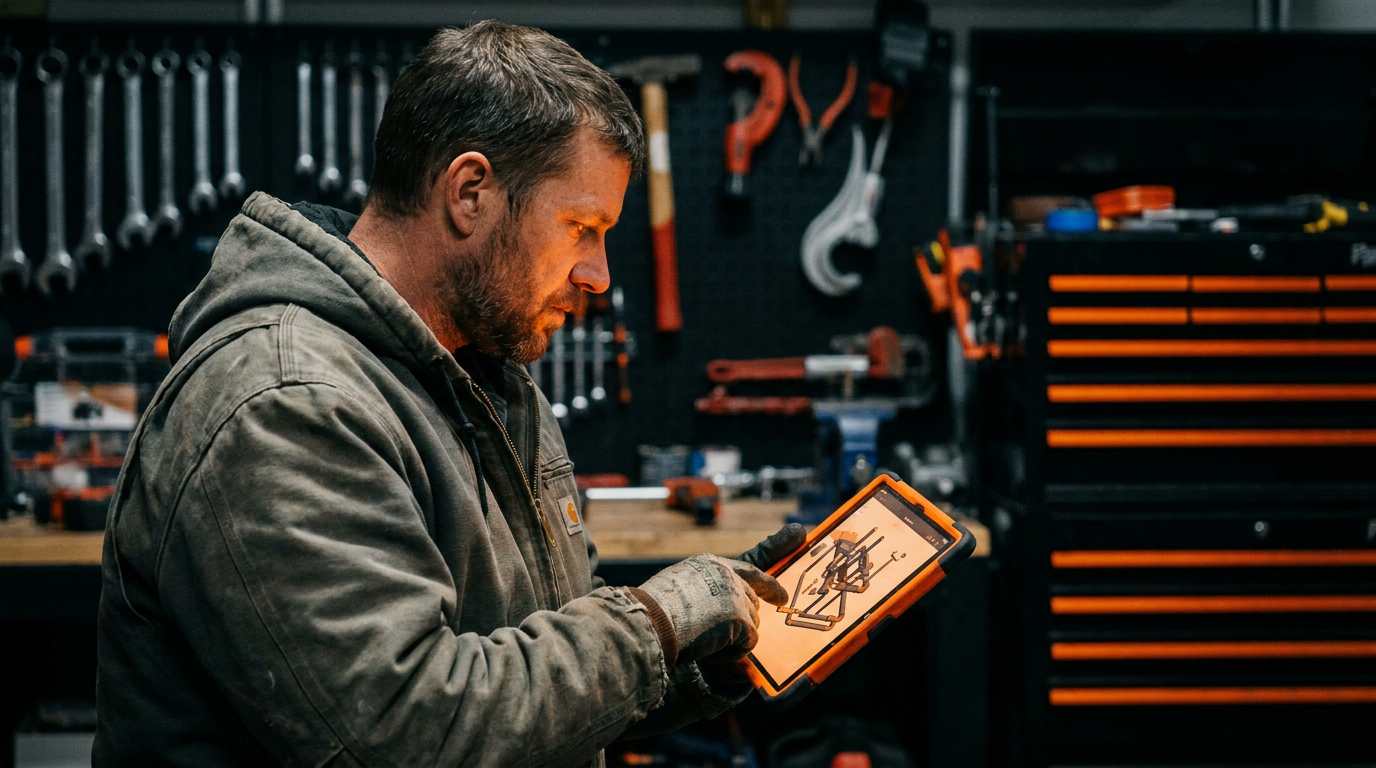
AI helps with seismic plumbing design in California by running simulations of earthquake stress on pipe layouts. It suggests stronger materials, better bracing locations, and flexible connections to meet state codes. This makes systems more resilient and designs faster to approve, saving you time and money on the job.
Shake-Proof Your Pipes: AI Tools for Seismic Plumbing Design in California
If you're a plumber in California, you know the ground beneath your feet isn't always stable. Earthquakes aren't a matter of 'if,' but 'when.' For us, that means every pipe, joint, and water heater we install needs to be ready for a shake-up. The California Plumbing Code (CPC) is strict for a reason: a broken gas line or a flooded building is the last thing anyone needs during a disaster.
For years, we've relied on experience, codebooks, and rules of thumb. But now, there's a new tool in the toolbox: Artificial Intelligence. AI isn't here to take your job. It's here to make your job faster, smarter, and safer. Think of it as a super-powered apprentice that can read the entire codebook in a second and run a thousand 'what-if' scenarios before you even cut the first pipe.
This guide breaks down how AI is changing the game for seismic plumbing design. No fluff, just practical ways you can use it to build tougher systems and a stronger business.
Why Seismic Design Matters More Than Ever
Every plumber working in the Golden State should be familiar with the seismic requirements in the CPC. We're talking about specific rules for strapping water heaters, using flexible connectors for gas and water lines, and ensuring pipes have room to move where they pass through walls. These aren't just suggestions; they are life-saving regulations.
A moderate earthquake can turn a rigid plumbing system into a collection of leaks and breaks. The goal of seismic design isn't to make a system completely rigid. It's to build a system that can move and flex with the building during a tremor, without failing. This means understanding where the stress points are and designing them to be flexible.
This is where things get complex. Every building is different. The soil, the structure, and the layout all affect how the plumbing will react. Keeping up with code updates and applying them to unique job sites takes time and serious brainpower.
What AI Actually Does for Plumbers
So how does AI help? It's not about a robot soldering joints. It's about using software to make better decisions during the design phase. Here’s what it can do:
Stress Simulation: You can input a plumbing layout, and an AI can simulate the forces of an earthquake on it. It will highlight weak spots—areas where a rigid joint is likely to fail or where a pipe might shear off. This is like having a crystal ball for your plumbing system.
Material Recommendations: Is PEX-A a better choice than Type L copper for a specific run in a high-rise? AI can analyze the properties of different materials—flexibility, strength, and cost—and recommend the best option for a specific seismic zone and building type.
Code Compliance Check: AI models can be trained on the entire California Plumbing Code. You can have it review your design and flag anything that might not be up to code. It can point out if you need more bracing on a long run or if you forgot a flexible connector on a water heater. This can save you from a failed inspection.
Optimized Layouts: AI can suggest smarter ways to route your pipes. By analyzing the building's structure, it might find a path that avoids major stress points, requires fewer joints, and ultimately creates a more resilient system. This can improve your quoting accuracy and material lists.
Getting Started with AI Tools
You don't need a degree in computer science to start using AI. Many pros are using powerful, general AI assistants to help with research, planning, and documentation. You can use them right from your phone or tablet.
The key is to give the AI a clear role and specific details. Treat it like you're briefing a new hire.
Here are a few prompts you can copy and paste today.
I am a plumber in California designing a plumbing system for a new two-story residential building in seismic zone 4. The system uses copper for supply lines and ABS for DWV. Analyze this layout for potential seismic risks based on the California Plumbing Code (CPC). Provide a list of specific recommendations, including locations for seismic bracing, types of flexible connectors to use at building joints, and any alternative pipe routing that would reduce stress during a tremor.
This prompt gives the AI a role (plumber), context (California, seismic zone 4), system details (copper, ABS), and a clear task (analyze for risk and give recommendations).
Create a detailed pre-inspection checklist for a commercial plumbing system in Los Angeles, California, focusing on seismic compliance. The checklist should cover water heaters, pipe bracing and supports, flexible connectors at equipment, and clearance around pipes passing through walls and floors. Reference the relevant sections of the California Plumbing Code (CPC) for each checklist item.
This turns the AI into your compliance assistant, helping you make sure you've covered all your bases before the inspector shows up.
The Real-World Payoff
Using AI for seismic design isn't just about making stronger systems. It's good for business.
Faster Design Approvals: When your designs are already checked against the code and optimized for safety, they move through the approval process faster.
Fewer Change Orders: Catching potential problems in the design phase means fewer expensive surprises and change orders once the work has started.
Happier Clients: You're not just selling pipes and labor. You're selling peace of mind. Showing a client a simulation of how their plumbing will survive an earthquake is a powerful selling point.
Win More Bids: When you can show that you're using the latest technology to build safer, more resilient systems, you set yourself apart from the competition.
It's Not Magic, It's a Tool
Remember, AI is an assistant, not the boss. It can give you powerful recommendations, but your experience in the field is what matters most. You know how a building really settles. You know how things actually fit together on the job site. The final call is always yours.
AI doesn't swing a wrench or sweat in a crawlspace. It's a tool that helps you do your best work before you even get to the site. Use it to check your assumptions, explore new options, and make sure your work not only meets the code but exceeds it.
The ground will keep shaking. With the right tools, your pipes won't.
Frequently asked questions
37 copy-paste prompts that save tradespeople 5+ hours a week. Plus one short email every Friday — no fluff.
More for plumbers
AI for Plumbers: The Practical Field Guide
AI for Plumbers comes down to using AI to do the slow stuff — quoting, paperwork, marketing, and customer follow-up — so you can stay on the tools. Below i

25 ChatGPT Prompts for Your Plumbing Business
25 ChatGPT Prompts for Your Plumbing Business comes down to using AI to do the slow stuff — quoting, paperwork, marketing, and customer follow-up — so you

AI Plumbing Diagnosis Apps: What Actually Works
AI Plumbing Diagnosis Apps comes down to using AI to do the slow stuff — quoting, paperwork, marketing, and customer follow-up — so you can stay on the too