
AI Soil Sensors: A Landscaper's Guide to Water Savings
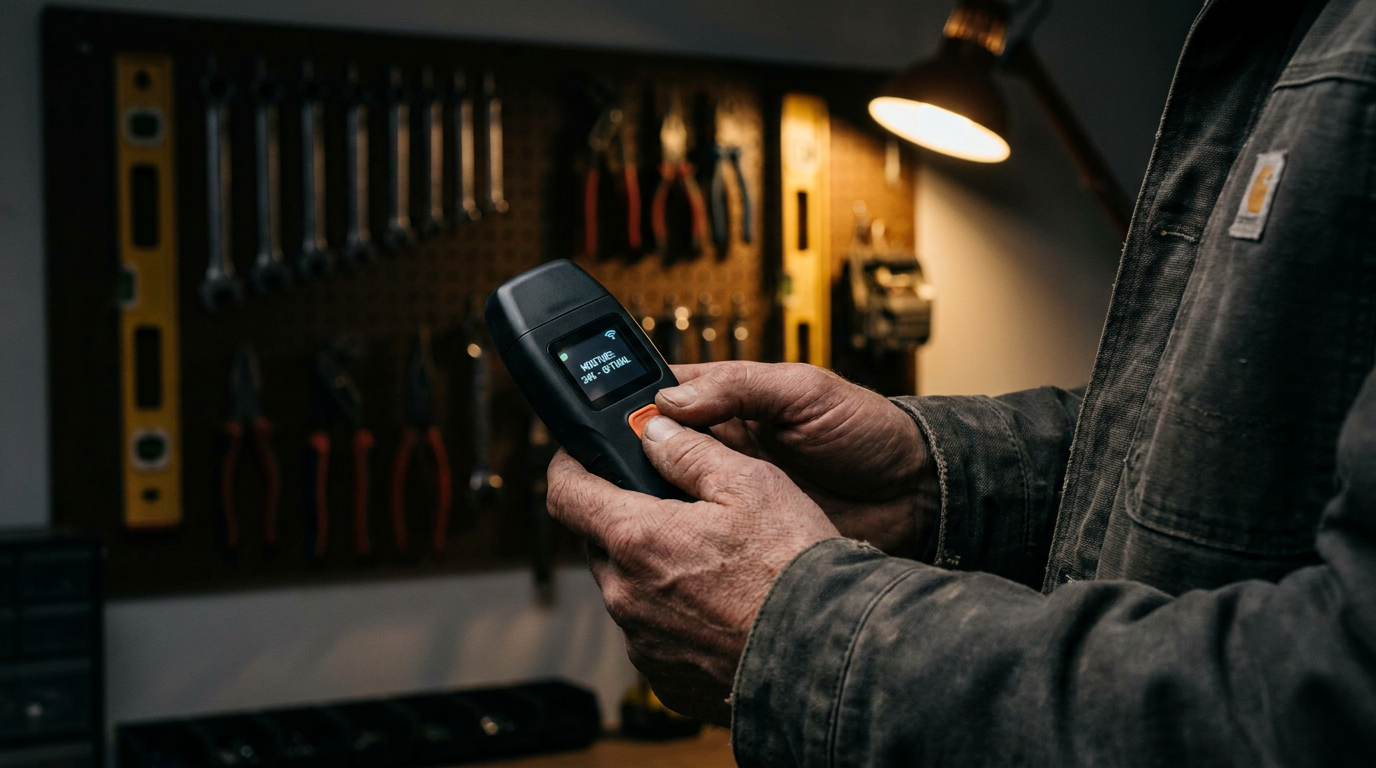
AI soil moisture sensors help Mountain West landscapers by providing real-time data on ground conditions. This allows for precise, automated irrigation that can cut water use by up to 50% in arid climates. The technology prevents overwatering, protects plant health, and reduces operational costs on client properties.
AI-Powered Soil Sensors: A Landscaper's Guide to Water Savings in the Mountain West
Out here in the Mountain West, water isn't just a resource; it's gold. Between the unpredictable snowpack, drought declarations, and strict municipal water restrictions from Denver to Salt Lake, running a landscaping business is a constant battle against the elements. Your clients want green lawns, but the water bills and regulations make that harder every year. The old way of setting a sprinkler timer and hoping for the best doesn't cut it anymore.
This is where the job gets smarter, not just harder. AI-powered soil moisture sensors are changing the game for pros. This isn't some Silicon Valley fantasy. It's tough, reliable hardware that gives you eyes underground, helping you use exactly the right amount of water, right where it's needed. It saves your clients money, makes their landscapes healthier, and makes you look like the expert you are.
What Are AI Soil Moisture Sensors?
Forget the cheap moisture meters from the garden center. Professional AI soil sensors are rugged, in-ground devices that do more than just say "wet" or "dry." They are the heart of a smart irrigation system.
Here’s how they work:
- Measurement: You bury the sensor in the root zone of a turf or garden bed. It constantly measures the volumetric water content of the soil. Many models also track soil temperature and salinity.
- Communication: The sensor wirelessly sends this data to a central hub or directly to the cloud via cellular or LoRaWAN technology. This means no running wires across a property.
- Analysis (The "AI" Part): The system's software analyzes the data. It learns the specific conditions of that zone—how quickly it dries out, how much water it can hold—and compares it to ideal moisture levels for the plants there.
- Action: The system automatically adjusts the irrigation controller's schedule. Instead of watering for 20 minutes three times a week, it might water for 12 minutes today, skip tomorrow, and water for 18 minutes the day after, all based on actual ground conditions.
This isn't just a "smart controller" that uses weather forecasts. Weather-based controllers are a good step, but they're guessing what the soil needs. A soil sensor knows.
The Mountain West Problem: Why Old Timers Fail
Landscaping in states like Colorado, Utah, Idaho, and Wyoming presents unique challenges that make simple timer-based irrigation ineffective and wasteful.
- Diverse Soils: A single property can have heavy clay that holds water forever and sandy loam that drains in an hour. A fixed schedule will overwater the clay (causing root rot) and underwater the sand (causing dry patch).
- Microclimates: A north-facing lawn in the shade of a house needs far less water than a south-facing slope in full sun. Timers can't account for this, but you can place sensors in different zones to manage each one perfectly.
- Runoff: On the slopes common in our region, applying too much water too quickly just leads to runoff. Smart systems can initiate "cycle and soak" schedules automatically, applying water in shorter bursts to let it soak in.
- Water Regulations: Cities across the region are enforcing strict watering days and times. An AI system can maximize the effectiveness of every drop used during those approved windows, keeping clients' landscapes healthy without risking fines.
Using a dumb timer in this environment is like trying to do your quoting on the back of a napkin. It's time to upgrade your tools.
Act as a landscaping operations manager in Denver, CO. Compare three top-rated AI soil moisture sensor brands for commercial and residential properties. Analyze them based on: 1. Hardware durability for clay soil and freeze-thaw cycles. 2. Wireless range and reliability (LoRaWAN vs. cellular). 3. Software ease-of-use and integration with Hunter irrigation controllers. 4. Total cost of ownership for a 1-acre property with 5 zones. Present the results in a simple table.
How AI Sensors Make You a Better Landscaper
Adopting this technology isn't just about saving water. It's about building a more professional, profitable, and resilient business.
1. Drastic Water Savings: This is the easiest sell to clients. Companies using these systems regularly report water savings between 30% and 50%. On a large commercial property, that's thousands of dollars a year. You can position this upgrade as an investment that pays for itself.
2. Healthier Landscapes: Plant health issues are often water-related. Overwatering is the number one killer of landscape plants, leading to fungus and root rot. Underwatering causes stress, making plants vulnerable to pests and disease. By keeping the soil moisture in the optimal range, you create stronger, more resilient turf and plants.
3. Reduced Labor Costs: How many hours do your crews spend driving to sites to adjust irrigation clocks? A sensor-based system manages itself. You and your team can monitor and make adjustments for an entire portfolio of properties from a phone or tablet, freeing up valuable time for installation, enhancements, and client relations.
4. Data-Driven Client Conversations: When a client asks why their lawn looks a certain way or questions your methods, you can pull up a dashboard. You can show them the soil moisture graphs, the watering history, and the savings. This data turns subjective arguments into objective facts, reinforcing your expertise and building trust.
Draft a short email to a landscaping client named Mrs. Jones. Explain why we are recommending an upgrade to an AI-powered soil moisture sensor system. Focus on the benefits for her property in Boise. Mention water savings to lower her bill, improved lawn and plant health, and how it helps us comply with local water restrictions. Keep the tone professional but easy to understand, avoiding technical jargon.
Getting Started: What to Look For in a System
Ready to make the leap? Here’s what to consider when choosing a system for your business.
- Sensor Durability: The sensor has to survive in the ground for years. Look for models made from high-grade materials that can handle rocky soil, freeze-thaw cycles, and aeration. Ask vendors about their warranty and expected lifespan.
- Connectivity: For a small residential lot, a Wi-Fi-based system might work. For larger properties or sites with spotty internet, systems using LoRaWAN (Long Range Wide Area Network) or cellular are more reliable. LoRaWAN is great for covering large areas like parks or HOAs with a single gateway.
- Controller Integration: You don't want to be locked into one brand. The best systems are controller-agnostic, meaning they can integrate with the professional controllers you already use, like those from Hunter, Rain Bird, or Toro.
- Software and App: The hardware is only half the equation. Is the software interface intuitive? Can you manage all your clients from one dashboard? Can you set up custom alerts for high or low moisture levels? Get a demo before you buy.
- Cost Model: Some companies sell the hardware upfront with a small annual software fee. Others use a Hardware-as-a-Service (HaaS) model with a lower upfront cost but a higher monthly subscription. Calculate the total cost of ownership over 3-5 years to see what makes the most sense for your business.
This technology is no longer a novelty. For landscapers in the water-scarce Mountain West, it's becoming a fundamental tool for survival and success. It proves to your clients that you are a forward-thinking professional dedicated to efficiency and results. It's time to stop guessing and start measuring.
Frequently asked questions
37 copy-paste prompts that save tradespeople 5+ hours a week. Plus one short email every Friday — no fluff.
More for landscaping
AI for Landscaping Business Owners: Real ROI
AI for Landscaping Business Owners comes down to using AI to do the slow stuff — quoting, paperwork, marketing, and customer follow-up — so you can stay on

ChatGPT Prompts for Lawn Care Business (20 Tested)
ChatGPT Prompts for Lawn Care Business (20 Tested) comes down to using AI to do the slow stuff — quoting, paperwork, marketing, and customer follow-up — so