AI Soil Testing for Southeast Landscapers
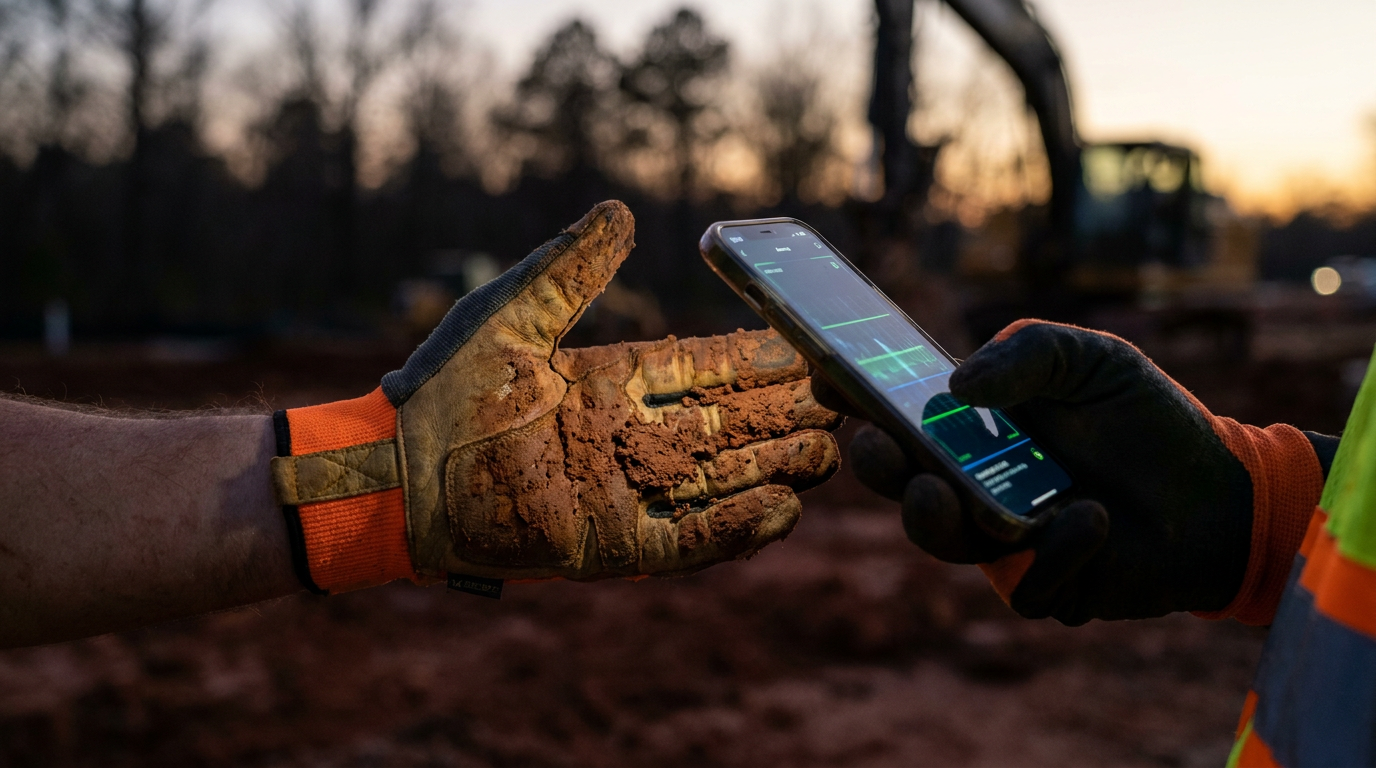
AI soil testing for landscapers in the Southeast US uses apps and services that analyze soil data. Tools like Agrolly or Plantix use your phone's camera for basic analysis, while services like Teralytic combine probe data with AI for deeper insights. These technologies provide quick recommendations for amending tough regional soils.
Beyond Red Clay: Using AI to Master Southeast Soil
If you're a landscaper in Georgia, Alabama, or the Carolinas, you know the soil is a beast of its own. It's either heavy red clay that holds water like a bucket or sandy soil that drains before a plant can get a drink. For years, the only real option was sending samples to a university extension office and waiting. That works, but it's slow.
Now, technology is giving us a new edge. AI-powered soil testing is here, and it's changing how we work. It's not about replacing your know-how. It's about adding a powerful tool to your belt that gives you fast, useful data right on the job site. This means quicker quotes, healthier plants, and happier clients.
What Exactly is AI Soil Testing?
AI soil testing isn't magic. It's just smart data analysis. Instead of just getting a sheet of numbers back from a lab, AI tools interpret that data for you. They can work in a few different ways:
- Image Analysis: Some apps use your phone's camera. You take a picture of the soil, and the AI analyzes the color, texture, and structure to give you a baseline reading. It can often estimate soil type and organic matter content.
- Sensor Data: More advanced systems use physical probes you stick in the ground. These sensors measure things like pH, moisture, salinity, and key nutrients like nitrogen, phosphorus, and potassium (NPK). The AI then processes this real-time data.
- Combined Analysis: The most powerful approach combines lab results with AI. You still send a sample, but an AI platform crunches the numbers alongside weather data, local soil maps, and plant needs to give you incredibly specific recommendations.
Think of it like this: a traditional soil test gives you a list of ingredients. An AI-powered test gives you the full recipe, tailored to the exact meal you want to cook.
Where Traditional Soil Tests Fall Short
We're not knocking the cooperative extension labs. They provide accurate, scientific data. But for a working landscaper, they have drawbacks:
- Time: It can take a week or more to get results. That can delay a project proposal or leave a client waiting.
- Interpretation: The reports are full of numbers and scientific terms. You have to translate that data into an action plan of what amendments to add and how much. That takes time and expertise.
- Limited Scope: A single test represents one spot. If a property has different soil conditions in the front yard versus the back, you need multiple expensive tests to know for sure.
AI tools help bridge these gaps. They provide instant feedback, translate data into plain English, and make it easier to test multiple spots on a property without breaking the bank.
Analyze the following soil description from a job site in Athens, Georgia. The soil is a heavy, reddish-brown clay that clumps together when wet and is hard as a rock when dry. A basic pH test shows it's around 5.0. The client wants to plant a mix of azaleas, hydrangeas, and fescue grass. Based on this information, provide a step-by-step soil amendment plan. List the specific materials needed (like lime, compost, gypsum) and the recommended application rates in pounds per 1,000 square feet. Explain why each amendment is necessary for this soil type and these specific plants.
Top AI-Powered Tools for Southeast Soil
While some tools are built for massive farms, many are perfect for landscaping crews. The key is to find the one that fits your business.
For Quick On-Site Analysis: Smartphone Apps Apps like Plantix or Agrolly are a great starting point. They're designed to identify plant diseases but also have features for soil assessment. You can get a quick idea of soil type and health just from a photo. It's not as precise as a lab test, but it's fast and helps you look smart in front of the client.
For Detailed Data: Probe Systems Companies like Teralytic and CropX offer probe-based systems. You buy the sensor probes, stick them in the ground, and get continuous data sent to an app on your phone. This is a bigger investment, but it's perfect for high-value projects or maintenance contracts where you need to monitor soil health over time. For a large residential or commercial install, this data is gold.
For The Best of Both Worlds: AI-Enhanced Lab Services Services like Pattern Ag or Trace Genomics are at the high end. They use deep biological and chemical analysis in a lab, then run the results through a powerful AI engine. They can tell you not just the NPK levels but also the health of the microbial life in the soil. This helps you prevent disease and build truly resilient landscapes. It's overkill for a simple flower bed but might be the right call for a commercial property or estate garden.
Choosing the right one depends on the job. A simple app might be enough for a quick quote, while a probe system could be a game-changer for your maintenance contracts. Check out our other articles on tools to help grow your business.
I have two soil test reports for a property in Charleston, SC. Report A is a traditional lab report showing a pH of 6.8, low nitrogen, high phosphorus, and sandy texture. Report B is from an AI analysis of the same soil, which notes the sandy texture will lead to poor water retention and nutrient leaching, and recommends using slow-release nitrogen fertilizers and adding 3 inches of compost to improve structure. Create a one-paragraph summary for the client that combines this information. Use simple, non-technical language to explain the soil's condition and our plan to fix it.
The Bottom Line: Does This Tech Make You More Money?
Let's cut to the chase. New tech is only useful if it improves your bottom line. Here's how AI soil testing pays off:
- Faster, Smarter Quotes: Instead of guessing or waiting for a lab, you can get instant data on-site. This allows you to create a more accurate quote that includes the right soil amendments from the start. No more going back to the client asking for more money later.
- Better Plant Survival: By matching the right plants to the soil and amending it correctly, you reduce plant loss. This means fewer warranty claims and callbacks, which saves you serious time and money.
- Higher-Ticket Services: You can offer soil health monitoring as a premium maintenance service. Clients with high-end landscapes are often willing to pay for this level of care and data-driven expertise.
- Professional Image: Showing up with modern tools and data-backed recommendations makes you look more professional than the competition. It builds trust and helps you close more deals.
AI isn't going to replace a landscaper's experience. You still know what grows best in your area. But it can take the guesswork out of the most unpredictable part of the job: the soil. It's a tool that helps you do your job better, faster, and more profitably.
Frequently asked questions
37 copy-paste prompts that save tradespeople 5+ hours a week. Plus one short email every Friday — no fluff.
More for landscaping
AI for Landscaping Business Owners: Real ROI
AI for Landscaping Business Owners comes down to using AI to do the slow stuff — quoting, paperwork, marketing, and customer follow-up — so you can stay on

ChatGPT Prompts for Lawn Care Business (20 Tested)
ChatGPT Prompts for Lawn Care Business (20 Tested) comes down to using AI to do the slow stuff — quoting, paperwork, marketing, and customer follow-up — so