
AI Stormwater Management: A GC's Guide for the Southeast
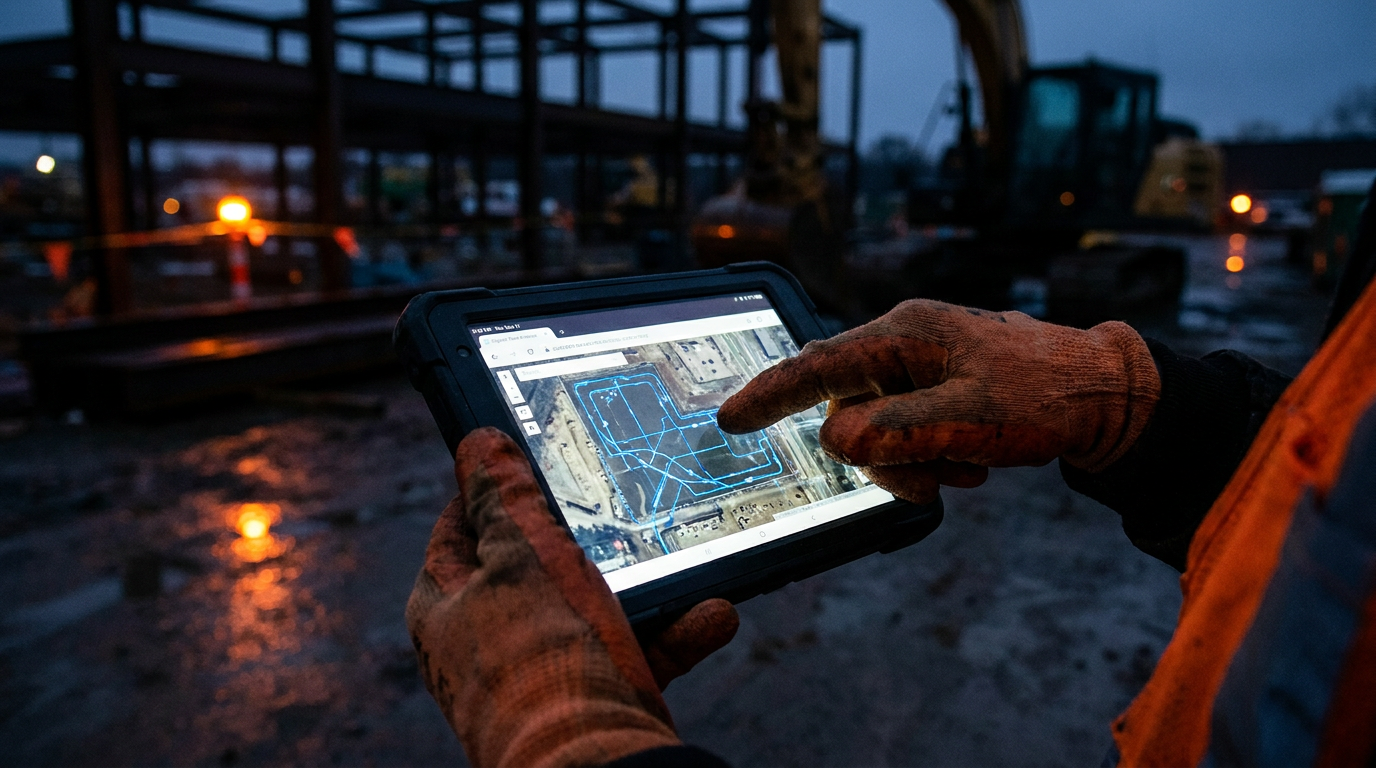
AI stormwater management for Southeast US construction uses predictive analytics to manage rainfall and prevent erosion. GCs use AI tools to analyze weather data, model water flow on-site, and automate compliance reporting. This saves time, reduces fines, and keeps projects on schedule in flood-prone regions.
Fighting Floods with AI: Stormwater Tools for GCs
If you’re a GC in the Southeast, you know that water is your biggest headache. It’s not a matter of if a surprise thunderstorm or the edge of a tropical storm will hit your site, but when. One bad downpour can wash out a month of work, flood your site, and earn you a nasty fine from the EPA for sediment runoff.
For decades, our tools for managing stormwater have been silt fences, retention ponds, and a prayer. But that’s changing. Artificial intelligence, or AI, is giving us a better way to fight back against the floods. This isn't about robots in hard hats. It's about smart software that helps you predict problems before they happen and prove your compliance without drowning in paperwork.
This guide breaks down what AI stormwater management really is, what tools are out there, and how you can use them to protect your projects and your bottom line.
Why Stormwater is a Bigger Deal in the Southeast
Managing stormwater is a national issue, but the game is different in the Southeast. States like Florida, Georgia, and the Carolinas face a unique combination of challenges that make effective stormwater management non-negotiable.
- Intense Rainfall: The Southeast gets hit with high-intensity, short-duration rain events that can overwhelm standard erosion controls. Hurricane season, from June to November, adds another layer of risk, with the potential for several inches of rain in just a few hours.
- Tough Soil: Much of the region, especially the Piedmont area, is known for its heavy clay soil. This soil doesn't absorb water well, leading to rapid and heavy runoff. What little topsoil you have is precious, and it’s the first thing to wash away into local streams.
- Strict Regulations: The Clean Water Act is enforced seriously here. The EPA and state agencies have strict rules about what can leave your job site. A muddy stream leading from your project is a bullseye for inspectors, and fines can run into the tens of thousands of dollars per day, per violation.
Failing to manage runoff means facing stop-work orders, costly rework, and a damaged reputation. It’s a high-stakes problem that requires a modern solution.
What is AI Stormwater Management, Really?
Forget the sci-fi movies. In construction, AI is a tool for processing massive amounts of data to give you a clear, simple answer. For stormwater, it boils down to three main jobs:
Predict: AI platforms don't just use the local weather forecast. They pull in hyper-local weather data from multiple sources, including Doppler radar and atmospheric sensors. They analyze this data to predict exactly how much rain will fall on your specific job site and how intense it will be.
Model: The software creates a “digital twin” of your site using topographical surveys and site plans. It then runs simulations, showing you where water will flow, where it will pool, and where your erosion controls are likely to fail based on the rain prediction. You can see your weak spots before the storm ever hits.
Automate: Keeping up with your Stormwater Pollution Prevention Plan (SWPPP) is a major time sink. AI tools help automate this. They can log rainfall data, schedule required inspections, and even help you fill out compliance reports with a few clicks. Some systems use drones or on-site cameras to automatically document the condition of your controls before and after a storm.
This technology gives you a proactive way to manage water. Instead of reacting to a washout, you’re adjusting your plan based on a solid prediction.
As a GC in [Your State], draft a brief memo to my project managers. Explain that we're exploring new AI-powered tools for stormwater management to deal with unpredictable heavy rains. Mention the goals: better prediction, reduced risk of fines, and more efficient site planning. Ask them for their top 3 biggest challenges with our current SWPPP process.
The Gear: AI Tools You Can Use on the Job
You don't need to build an AI from scratch. Companies now offer this technology as easy-to-use software, often with a monthly subscription. Here are the main types of tools you’ll find:
Predictive Analytics Platforms: These are the brains of the operation. You input your site location, and they deliver detailed, site-specific rainfall predictions. They send you text or email alerts when a storm trigger—say, half an inch of rain—is forecasted, giving you time to prepare.
Drone-Based Site Monitoring: Drones fly over your site to capture high-resolution images. AI software then analyzes these images to create a 3D model of your site. By comparing flights over time, the AI can spot new erosion gullies, measure stockpile volumes, and check if your silt fences are still standing, all without someone having to walk the entire perimeter. Check out our guides on jobsite management for more on using tech to improve safety and efficiency.
Automated Compliance Software: This is your digital binder for all things SWPPP. The software keeps a log of weather events, reminds you when inspections are due, and provides digital forms that your team can fill out on a tablet. It creates a clean, defensible record that proves you’re doing your job.
Putting AI to Work on Your Job Site
So how does this work day-to-day? Let's walk through a project lifecycle.
1. Pre-Construction: Before you even break ground, you can use AI to model your site. Upload your grading plan and test different placements for sediment basins, check dams, and site entrances. The software can simulate a “10-year storm” event to show you if your initial plan holds up, helping you design a more resilient site from day one.
2. During Construction: You get an alert on Monday: a storm with 1.5 inches of rain is predicted for Wednesday afternoon. Your site superintendent now has a 48-hour heads-up. They can use that time to:
- Check and reinforce silt fences in the low areas identified by the AI model.
- Ensure the temporary sediment basin has been pumped down and has capacity.
- Cover soil stockpiles and secure materials that could wash away.
After the storm, you can run a drone flight. The AI compares the new images to the pre-storm images and flags any areas with visible erosion or failed controls, creating a punch list for your crew.
I am a general contractor in northern Florida. My job site has a Stormwater Pollution Prevention Plan (SWPPP) that relies on silt fences and a temporary sedimentation basin. A forecast predicts 3 inches of rain over 4 hours next Tuesday. Based on this, identify the top 3 potential failure points in my SWPPP and suggest specific, actionable pre-storm checks for my site supervisor.
3. Project Closeout: When the project is done, the compliance software bundles all your inspection reports, rainfall logs, and photo documentation into a single, professional report. This gives you a complete record to submit to regulators and protects you from future claims. Improving your project documentation is a key part of better operations.
The Bottom Line: Does It Save Money?
New technology always comes with a cost, but with AI stormwater tools, the return on investment is clear and quick.
- Avoid Fines: A single EPA fine for non-compliance can easily top $50,000. The cost of a yearly software subscription is a tiny fraction of that. It’s cheap insurance.
- Reduce Rework: How much does it cost to regrade a section of your site that washed out? Or to replace materials lost in a flood? Predictive AI minimizes these surprises, keeping your budget intact.
- Optimize Resources: AI models can show you that you only need heavy-duty controls in 30% of your perimeter, not the whole thing. This saves money on materials and labor.
- Save Time: Automating inspections and reporting frees up your project managers and superintendents to focus on building, not paperwork. Their time is valuable, and this tech gives them more of it.
AI for stormwater isn't about replacing your team's expertise. It's about giving them a powerful new tool to make smarter, faster decisions. In the rain-soaked Southeast, it’s quickly becoming a must-have for any GC who wants to stay ahead of the storm.
Frequently asked questions
37 copy-paste prompts that save tradespeople 5+ hours a week. Plus one short email every Friday — no fluff.
More for general contractors
AI for General Contractors: A Builder's Playbook
AI for General Contractors comes down to using AI to do the slow stuff — quoting, paperwork, marketing, and customer follow-up — so you can stay on the too

How to Use AI for Construction Project Management
How to Use AI for Construction Project Management comes down to using AI to do the slow stuff — quoting, paperwork, marketing, and customer follow-up — so