Stop Losing Tools: AI Tool Tracking for Work Vans
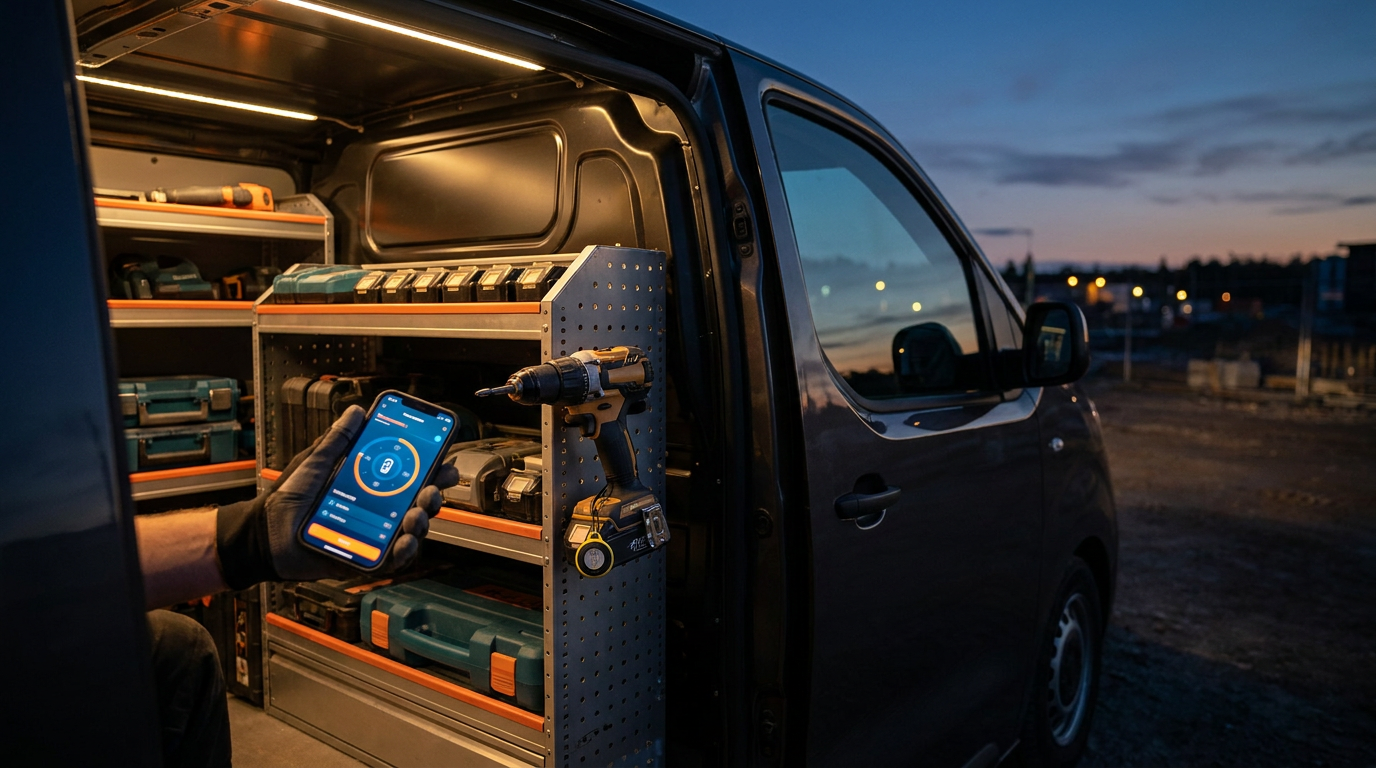
AI tool tracking for work vans uses Bluetooth tags, GPS, and software to monitor your inventory in real time. This system helps prevent tool loss, deters theft, and ensures each van is properly equipped for the day's jobs. It saves money on replacements and reduces downtime spent searching for tools.
You're Losing More Than Just Tools
Let's get straight to it. That drill that walked off the job site last Tuesday? It's not just the $200 to replace it. It's the hour your guy spent looking for it. It's the trip to the supply house. It's the project delay that pushes back the next job. The real cost of lost tools is a killer for any trade business.
For years, we've relied on spreadsheets, sign-out sheets, and hoping for the best. Those days are over. AI tool tracking for work vans isn't a futuristic fantasy. It’s a practical, affordable solution that’s saving contractors thousands of dollars and countless headaches.
How AI Tool Tracking Works
This isn't complicated stuff. Think of it as a digital leash for every important piece of gear you own. Most systems have three simple parts:
The Tags: These are small, durable trackers you attach to your tools. They come in a few flavors. Bluetooth tags are common for smaller tools and work within a certain range of a phone or hub. GPS tags are better for vehicles or very expensive equipment. Many systems also use simple QR code stickers for tracking less critical items like buckets or hand tools.
The Hub: This is usually just your smartphone or a dedicated device in the van. The hub communicates with the tags and sends the location and status data to the cloud. It's the brain of the operation on the ground.
The Software: This is your command center. It's an app on your phone or a dashboard on your computer. You can see where every tagged tool is, who last used it, and which van it's in. You can run reports, set up alerts, and manage your entire inventory from one place.
Beyond Just Finding Things
A tool tracker's job isn't just to find a lost Sawzall. The real power is in how it streamlines your entire business operations. Modern systems give you abilities you never had before.
Instant Van Audits: Know exactly what's on every truck before it leaves the yard. No more showing up to a plumbing job without a pipe wrench. The app can give you a checklist of what's there and what's missing.
Preventing 'Left Behinds': Good systems can create a virtual fence, or 'geofence', around a job site. If the van starts to pull away and a tagged tool is left behind, both the driver and you can get an instant alert.
Smart Maintenance: Track hours of use on expensive equipment. The system can automatically alert you when a tool is due for maintenance, preventing costly breakdowns and extending the life of your gear.
Clear Accountability: When a tool goes missing, the software shows who last had it and where. This isn't about playing the blame game. It's about creating a culture of responsibility. When the crew knows tools are tracked, they magically get lost less often.
Picking the Right System for Your Trade
Not all tracking systems are created equal. The big names in the tool world have their own platforms, and there are third-party options too.
Brand Ecosystems: Companies like Milwaukee (ONE-KEY), DeWalt (TOOL CONNECT), and Hilti (ON!Track) have systems built into their tools. If you're already heavily invested in one brand, this is a great way to go. The integration is seamless.
Third-Party Systems: Companies like Asset Panda or GoCodes offer tags and software that work with any brand of tool. This is a flexible option if you have a mixed bag of equipment from different manufacturers. You just buy the tags and attach them to what you want to track.
Deciding what's best depends on your business. Do you want simple tracking or advanced features? How many tools do you need to manage? What's your budget? Use AI to help you think through the options.
My construction company runs 4 work vans and has about 250 tools we need to track, from power drills to ladders and generators. We use a mix of DeWalt and Milwaukee tools. Compare the top 3 tool tracking systems for my business. Analyze them based on cost (per tool and subscription), ease of use for my crew, and how well they handle a mixed-brand inventory. Present the comparison in a simple table.
Getting Your Crew on Board
Some guys might see tool trackers and think, "Great, another way for the boss to watch me." You have to get ahead of that. Frame this as a tool for them, not a tracker on them.
Explain the benefits: no more wasting time hunting for a tool, no more getting blamed for something you didn't lose, and always having the right gear on the truck to do the job right the first time. The goal is to make their day less frustrating.
A clear policy helps. Explain what is being tracked (tools, not people) and why (efficiency and security). Be transparent.
Draft a short, clear policy for my company's employee handbook about our new tool tracking system. The tone should be direct and respectful. Emphasize that the system is for tracking company assets to improve efficiency and security, not for monitoring employees' locations. Mention that using the system properly is now a part of their job responsibilities.
When you're ready to roll it out, a simple announcement can set the right tone.
Write a brief, positive email to my crew of 15 tradespeople announcing our new tool tracking system. Explain that it will help us stop losing tools and make sure their vans are always stocked properly. Keep it simple and focus on how it makes their jobs easier. Let them know when training will happen.
The Bottom Line
Losing tools is a slow leak that can sink a business. AI tool tracking plugs that leak. It's an investment in efficiency, security, and professionalism. It turns guesswork into facts and helps you run your business like a well-oiled machine.
Stop accepting lost tools as a cost of doing business. The technology is here, it's proven, and it's ready to go to work.
Frequently asked questions
37 copy-paste prompts that save tradespeople 5+ hours a week. Plus one short email every Friday — no fluff.
More for business ops
AI Voicemail for Electricians: Catch Every Lead
AI Voicemail for Electricians comes down to using AI to do the slow stuff — quoting, paperwork, marketing, and customer follow-up — so you can stay on the

AI Answering Service for Plumbers: Real Costs & Picks
AI Answering Service for Plumbers comes down to using AI to do the slow stuff — quoting, paperwork, marketing, and customer follow-up — so you can stay on
HVAC Maintenance Plan Template (AI-Built)
HVAC Maintenance Plan Template (AI-Built) comes down to using AI to do the slow stuff — quoting, paperwork, marketing, and customer follow-up — so you can