
Can AI Detect Lead Paint? The Real Deal for Painters
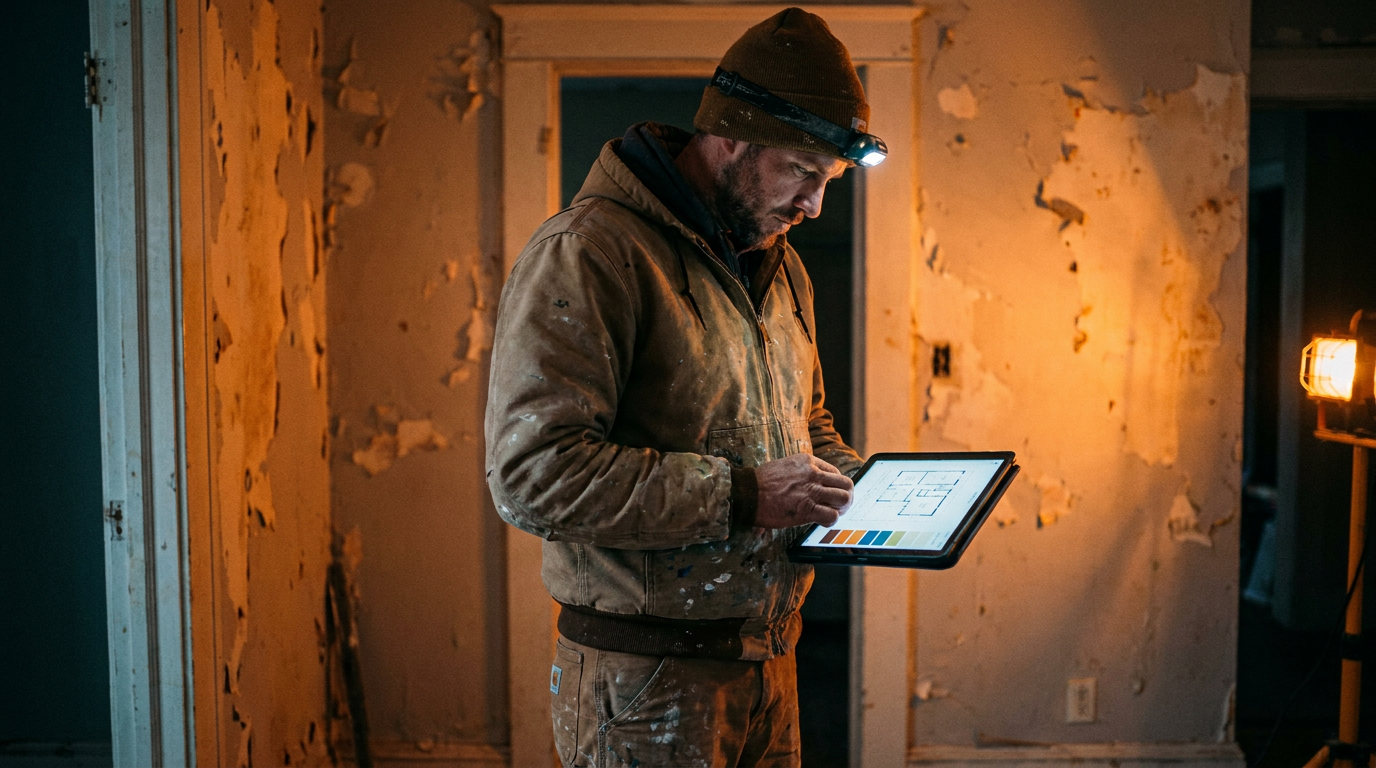
No, AI cannot reliably detect lead paint from a photo. Lead detection requires chemical analysis of the paint, which a camera and software cannot perform. While AI might guess based on paint age or cracking patterns like 'alligatoring,' it is not a legally compliant or safe method. Always use EPA-approved test kits or professional analysis.
Can Your Phone's AI Spot Lead Paint?
Let's get straight to it. Can you snap a picture of peeling paint, feed it to an AI, and find out if it contains lead? The answer is a hard no. It’s a cool idea, but it’s science fiction for now. Your phone is a powerful tool, but it’s not a chemistry lab.
Lead is a chemical element. Detecting it requires a chemical reaction or specialized equipment that can identify elements. A photo is just pixels and light. An AI looking at a photo can't tell the difference between lead-based paint and modern, safe paint that just looks old. Relying on an app for this is like trying to smell a gas leak through a Zoom call. It doesn't work and it's dangerous.
Why AI Fails the Lead Test
AI is great at recognizing patterns. It could probably be trained to spot the 'alligatoring' or 'chalking' textures common in old, failing paint. But here’s the problem: lots of old paint that doesn't have lead looks the same way. And some lead paint might be hidden under newer layers, showing no visual signs at all.
Basing a safety decision on a visual guess is a huge gamble. You’re dealing with the health of your crew, your clients, and their kids. You're also dealing with the EPA. Getting it wrong can lead to serious health problems and fines that could shut down your business.
There are no shortcuts here. The law is clear, and the risks are real. Don't bet your company on a maybe.
The Right Way: EPA-Approved Methods
When you're working on a house, school, or any building built before 1978, you have to assume lead paint is present until you prove it's not. The EPA's Renovation, Repair, and Painting (RRP) Rule outlines how to do this safely and legally. Here are the real-deal methods:
EPA-Recognized Test Kits: These are your first line of defense for smaller jobs. Kits like the 3M LeadCheck Swabs are common. You expose a lower layer of paint and swab it. If the swab turns red, lead is present. It’s a simple chemical test that gives you a clear yes or no.
X-Ray Fluorescence (XRF) Analyzers: This is the tool for serious professionals. An XRF gun is a handheld device that uses X-rays to analyze the materials in the paint without damaging the surface. It gives you an instant, precise reading of the lead content. They are expensive to buy but can be rented, or you can hire a certified risk assessor who has one.
Lab Testing: The old-school, guaranteed method. You carefully collect paint chip samples following a specific protocol and send them to an EPA-accredited laboratory. It takes a few days to get results, but they are 100% definitive. This is often used for large projects or legal disputes.
For more on job site safety and regulations, check out our guides on the jobsite.
Where AI Actually Helps Your Painting Business
Just because AI can't detect lead doesn't mean it's useless. It’s a powerful business tool that can save you time and make you more money. Instead of trying to make it a scientist, use it as a smart assistant for your marketing and operations.
Here’s how you can put AI to work today:
Creating Safety Communications
Explaining lead safety procedures to a homeowner can be tricky. You need to be clear and professional without scaring them. AI can help you draft these communications perfectly.
Act as a professional painting contractor who is EPA Lead-Safe Certified. Write a clear, reassuring email to a client whose home was built in 1972. Explain why lead paint testing is a necessary first step before you can provide a final quote for an interior painting project. Mention the EPA's RRP Rule and focus on the safety of their family. Keep the tone professional, confident, and helpful.
Marketing Your Certifications
If you've spent the time and money to get your RRP certification, you need to tell people about it. It’s a major selling point that separates you from less professional outfits. Use AI to create marketing content that highlights your expertise.
My painting company is EPA Lead-Safe Certified. Write three short social media posts for Facebook. Each post should highlight the importance of hiring a certified contractor for homes built before 1978. Focus on one key benefit per post: 1) family safety, 2) legal compliance/avoiding fines, and 3) professional quality and containment procedures. Include a call to action to 'Get a free, lead-safe estimate.'
Improving Your Quoting Process
While AI can't see lead, it can help streamline your quoting process. You can use AI to analyze photos a client sends you to get a rough idea of the job scope.
- Surface Area: Estimate square footage of walls and ceilings.
- Prep Work: Identify areas that need significant scraping, patching, or sanding (without diagnosing the paint type).
- Object Masking: Count the number of windows, doors, and trim sections that need to be taped off or painted.
This doesn't replace an on-site visit, but it can help you pre-qualify leads and prepare for your in-person estimate.
The Bottom Line
AI is changing how we run our businesses, but it has its limits. For critical safety tasks like detecting lead paint, stick to the proven, EPA-approved tools. It protects you, your crew, and your clients.
Use AI for what it's good at: making your marketing stronger, your communication clearer, and your operations smoother. Let the tools of the trade handle the science. It's the smart way to build a modern, successful painting business.
Frequently asked questions
37 copy-paste prompts that save tradespeople 5+ hours a week. Plus one short email every Friday — no fluff.
More for other trades
AI for Painting Contractors: Quoting to Marketing
AI for Painting Contractors comes down to using AI to do the slow stuff — quoting, paperwork, marketing, and customer follow-up — so you can stay on the to
AI for Fence Companies: 9 Practical Plays
AI for Fence Companies comes down to using AI to do the slow stuff — quoting, paperwork, marketing, and customer follow-up — so you can stay on the tools.

AI for Handyman Business: The Solo Operator Stack
AI for Handyman Business comes down to using AI to do the slow stuff — quoting, paperwork, marketing, and customer follow-up — so you can stay on the tools