
Florida Landscapers: Use AI to Spot Invasive Plants
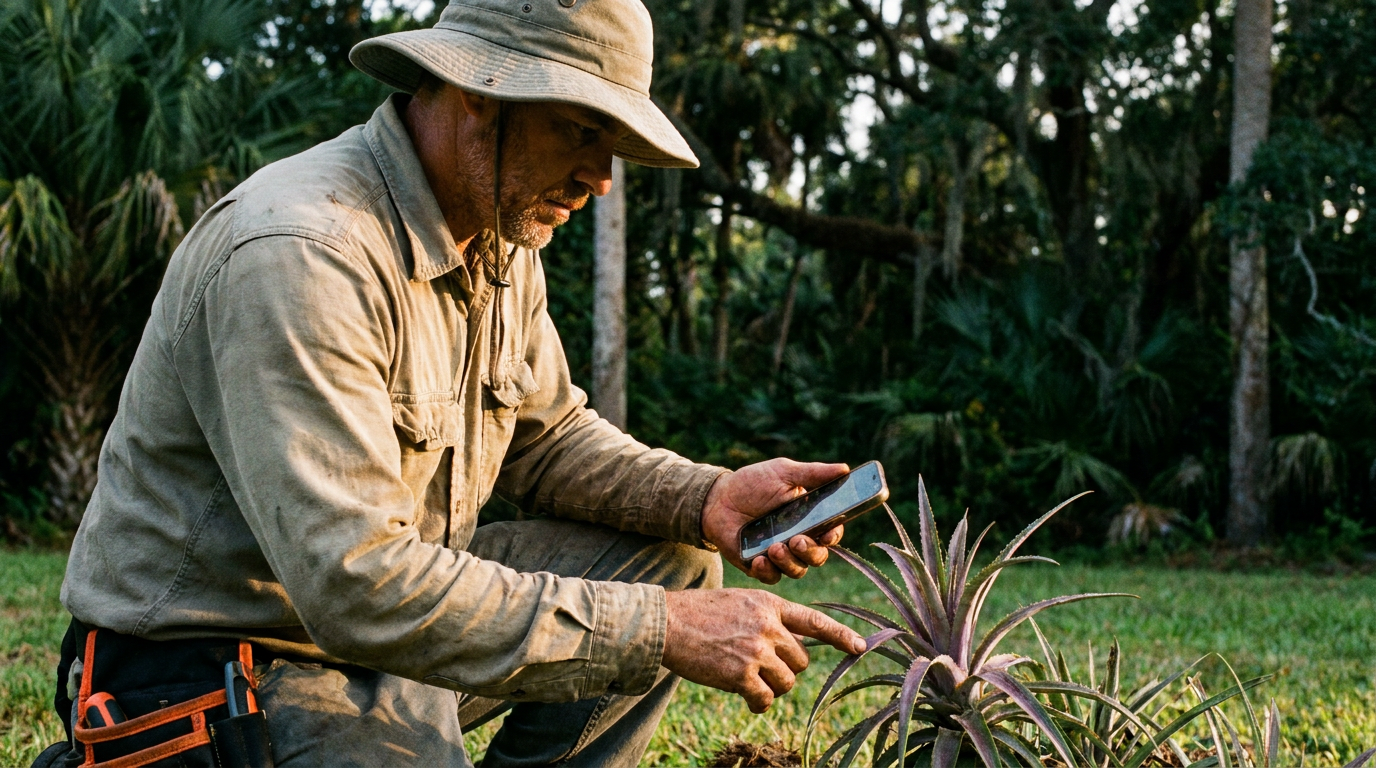
Florida landscapers use AI for invasive species identification by snapping a photo with a smartphone app. These apps, like iNaturalist or PictureThis, compare the photo to a massive database to identify the plant, confirm if it's invasive in Florida, and suggest removal methods. This saves time and protects local ecosystems.
Florida’s a jungle out there. You know it. One week you’re laying down fresh sod, the next you’re fighting a vine that seems to grow a foot a day. The state’s warm weather and busy ports make it ground zero for invasive plants that can choke out native species and ruin a perfectly good landscape.
For years, identifying these problem plants meant flipping through guidebooks or sending samples to the local extension office. That takes time you don’t have. Now, there's a new tool in your truck: Artificial Intelligence. Using just your smartphone, you can get a nearly instant ID on that weird weed and build a plan to get rid of it.
Why Florida is Ground Zero for Invasive Plants
Florida is a beautiful place to work, but it’s also a perfect storm for invasive species. The subtropical climate means plants from all over the world can feel right at home here. Add in the millions of shipping containers and tourists arriving every year, and you have a constant stream of new seeds and spores.
Plants like the Brazilian Peppertree, Old World Climbing Fern, and Australian Pine are not just a nuisance. They cause real damage. According to the University of Florida, invasive species cost the state hundreds of millions of dollars each year in control efforts and agricultural losses. For you, they mean more work, unhappy clients, and a landscape that’s out of balance.
When you can’t tell a native passionflower vine from an invasive air potato vine, you risk either leaving a problem to get worse or removing a plant that belongs. That’s where AI gives you an edge.
Your Smartphone is Your Newest Weed Whacker
Using AI to identify plants sounds complicated, but it’s as easy as taking a picture. Here’s the process:
- Download an App: Get a reliable plant identification app on your phone. Popular choices include PictureThis, PlantSnap, and iNaturalist. Many offer free versions that are plenty powerful for daily use.
- Take a Clear Photo: When you find a plant you don’t recognize, open the app and take a picture. Get a clear shot of the leaves, and if possible, any flowers or fruit. The more detail the AI has, the better the ID.
- Get Your Answer: The app analyzes your photo and compares it to a giant database of images. In seconds, it gives you a list of possible matches, usually with a confidence percentage. It will tell you the plant's common and scientific names.
- Confirm and Plan: The best apps also provide information on whether the plant is native, non-native, or invasive in your specific area. Once you know you’re dealing with an invasive, you can start planning its removal.
This whole process takes less than a minute. It’s a game-changer compared to the old way of doing things.
Act as a landscaping business owner. A client is concerned about a fast-growing vine on their property. Write a short, professional email to the client explaining that you've identified it as an invasive Air Potato vine using an identification app, and propose a two-part plan for its removal and ongoing management. Keep it clear and confident.
From Identification to Action Plan
Getting the ID is just step one. What you do next is what makes you a pro. After your AI app flags a plant as potentially invasive, your next step should be to double-check with a trusted source.
The best resource for Florida landscapers is the University of Florida's Institute of Food and Agricultural Sciences (UF/IFAS). Their Center for Aquatic and Invasive Plants has a detailed directory that is the gold standard for the state. Cross-referencing your AI's result with the UF/IFAS database confirms the ID and gives you specific control recommendations that work in Florida.
Once confirmed, you need a plan for removal and disposal:
- Manual Removal: For many species, pulling them out by the roots is effective, especially when the infestation is small. Make sure to get the entire root system.
- Chemical Control: For tougher plants like the Brazilian Peppertree, you may need herbicides. This often requires a license. Always follow the label instructions and state regulations. Using the wrong chemical can harm native plants and contaminate the soil.
- Proper Disposal: Don't just toss invasive plants in the compost pile. Many can re-sprout from cuttings. Bag them securely in heavy-duty plastic bags and dispose of them according to your local waste management rules. Some species may need to be incinerated or taken to a specific facility.
Having a solid process for dealing with these problem plants makes your landscaping service more valuable.
I'm a Florida landscaper who has identified Brazilian Peppertree on a client's property. Using information from UF/IFAS, create a simple, step-by-step action plan for a small-scale infestation. The plan should be easy for my crew to follow and include mechanical removal for small trees and a note about licensed herbicide application for larger stumps. Include a section on proper disposal of the plant material.
The Business Case: Saving Time and Making Money
Using AI for invasive species identification isn't just about being a good steward of the environment. It's good for business.
First, it saves you an incredible amount of time. No more guessing games or waiting for an expert to get back to you. You get answers on the spot and can talk to your client with confidence.
Second, it opens up a new revenue stream. You can offer an 'Invasive Plant Audit' as a service. Walk a client's property, identify any problem species, and provide a detailed report with a removal plan. This positions you as an expert who understands the local ecology, not just someone who cuts grass.
When you find an invasive plant, you can charge for the specialized work of removing it properly. This is often more complex than standard yard work and can be billed at a higher rate. It shows your clients you’re proactive and looking out for the long-term health of their property.
Write a short paragraph for my landscaping company's website. The topic is a new service: "Invasive Plant Management." The tone should be confident and direct. Mention using modern technology to identify and create plans for removing harmful plants like Brazilian Peppertree and Air Potato, protecting the client's property value and Florida's native ecosystem.
This technology is here, it’s easy to use, and it makes you better at your job. By adding AI to your toolkit, you can work faster, offer more valuable services, and help keep Florida's landscapes healthy and beautiful.
Frequently asked questions
37 copy-paste prompts that save tradespeople 5+ hours a week. Plus one short email every Friday — no fluff.
More for landscaping
AI for Landscaping Business Owners: Real ROI
AI for Landscaping Business Owners comes down to using AI to do the slow stuff — quoting, paperwork, marketing, and customer follow-up — so you can stay on

ChatGPT Prompts for Lawn Care Business (20 Tested)
ChatGPT Prompts for Lawn Care Business (20 Tested) comes down to using AI to do the slow stuff — quoting, paperwork, marketing, and customer follow-up — so