
Milwaukee ONE-KEY vs. DeWALT Tool Connect: Which is Smarter?
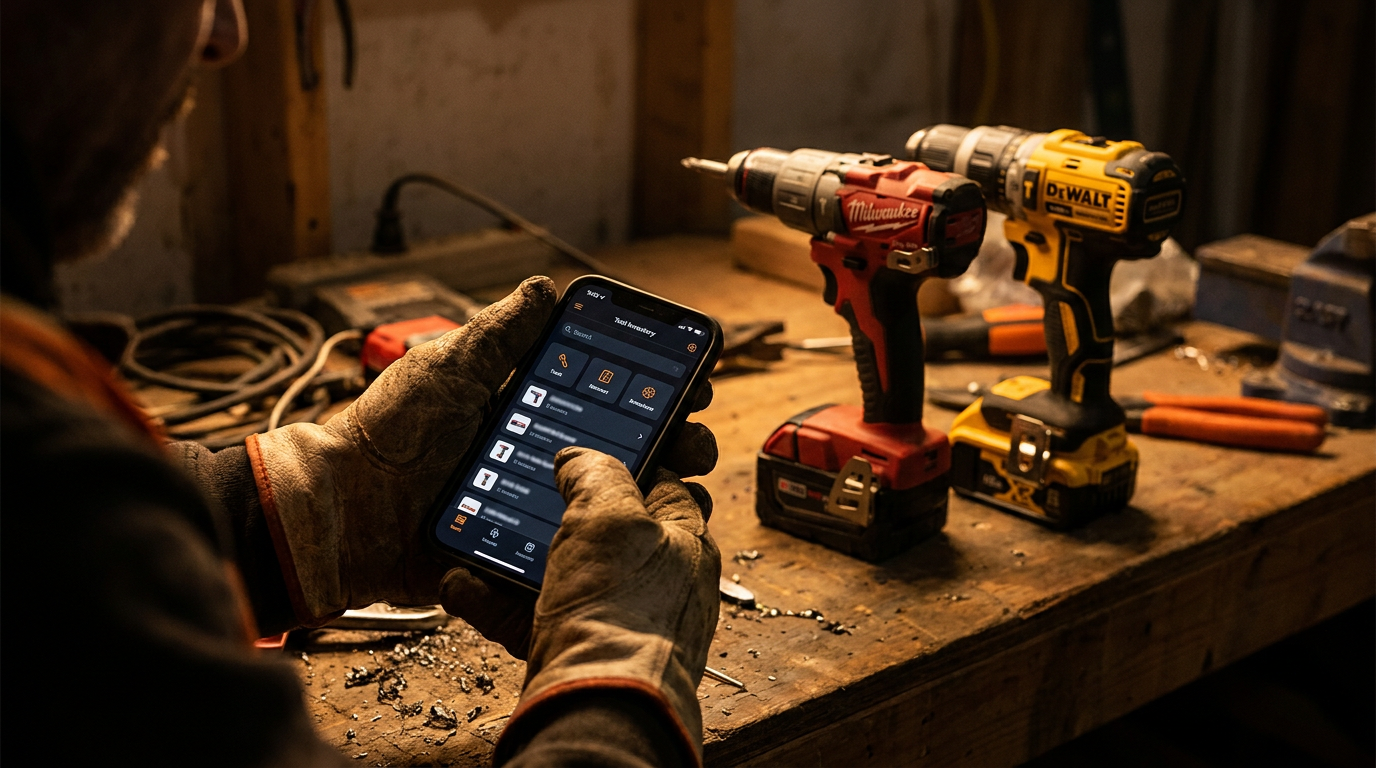
Milwaukee ONE-KEY is generally considered the smarter platform for comprehensive inventory management, as it allows tracking of any brand's tools and uses a large community network to find them. DeWALT Tool Connect offers a simpler, more direct system for tracking and securing DeWALT tools, making it a strong choice for crews already in its ecosystem.
Your Tools Are Dumb. It's Costing You Money.
Every lost drill or misplaced saw is a hit to your bottom line. You lose the cost of the tool, plus the time your crew spends looking for it instead of working. For years, we just accepted this as part of the job. Not anymore.
Smart tool platforms like Milwaukee ONE-KEY and DeWALT Tool Connect promise to change that. They use Bluetooth and software to turn your tool fleet into a connected system you can manage from your phone. It's not just about finding a lost impact driver. It's about running a tighter, more profitable operation.
But which system is actually smarter? We're putting them head-to-head to see which one deserves a spot in your digital toolbelt.
What is Milwaukee ONE-KEY?
Milwaukee's ONE-KEY is more than just a tool tracker. It's a full inventory management system. Think of it as the digital brain for your entire tool crib, not just your Milwaukee gear.
Here’s what it does:
- Inventory Management: You can add any tool or piece of equipment to the ONE-KEY app, not just Milwaukee products. Add your ladders, generators, and even tools from other brands using their Tick trackers.
- Tool Tracking: This is ONE-KEY's killer feature. It uses a community network. If you mark a tool as lost, any phone with the ONE-KEY app that comes within 100 feet of it will automatically and anonymously update its location for you. With millions of users, that creates a huge search party.
- Tool Control: For compatible ONE-KEY enabled tools, you can dial in performance. Set the max RPM on a drill, control the torque on an impact wrench, and save those settings for specific jobs. This means less rework and more consistent results.
- Reporting: Track how your tools are used, who has them, and where they are. This data helps you make smarter decisions about what to buy, when to service tools, and how to assign them to jobs.
What is DeWALT Tool Connect?
DeWALT's Tool Connect takes a slightly different approach. It's focused heavily on integrating with the DeWALT ecosystem and providing straightforward security and tracking.
Here’s the breakdown:
- Inventory Management: Like ONE-KEY, you can manage your tools in the app. It's designed primarily for DeWALT tools but you can add other items. The interface is clean and simple.
- Tool Tracking: Tool Connect uses Bluetooth to show you the "last seen" location of your tools when they were in range of your phone. It doesn't have the large community network that Milwaukee boasts.
- Security: This is a strong point for DeWALT. You can create "virtual fences" around your jobsites. If a tool leaves that area, you get an alert. You can also disable a tool completely, making it useless to a thief.
- Tool Control: For compatible Tool Connect tools, you can adjust settings like speed, torque, and LED brightness. You can save presets for repeatable tasks, which is great for production work.
Head-to-Head: The Real-World Difference
Let's cut the marketing fluff and talk about what matters on the jobsite.
Winner for Tracking: Milwaukee ONE-KEY
There's no contest here. DeWALT’s "last seen" feature is useful if you just left a drill in another room. But if a tool walks off the jobsite, you're out of luck unless the thief happens to run your app.
Milwaukee's community network is a game-changer. Your lost tool has a chance of being found by a plumber, electrician, or GC across town just because they have the ONE-KEY app on their phone. This makes it far more powerful for recovering stolen or truly lost assets.
Winner for Security: DeWALT Tool Connect
Both platforms let you disable a tool remotely. But DeWALT's "virtual fence" feature gives it the edge. Getting an instant alert the moment a tool leaves the geofenced area of a jobsite is proactive. It lets you know there's a problem right now, not tomorrow morning when you realize a saw is missing.
Winner for Inventory Management: Milwaukee ONE-KEY
Milwaukee built ONE-KEY as an inventory platform first. It’s designed to manage everything you own, from cordless drills to heavy equipment. The ability to easily add non-Milwaukee items with Tick trackers or even just manual entries makes it a true central hub for your operations. DeWALT's system feels more like an accessory to their tools rather than a standalone management solution.
The "AI" Features: Using Data to Work Smarter
Neither platform has a true AI assistant talking to you. When we say "AI features," we're talking about using the data they collect to make intelligent business decisions. This is where you, the contractor, become the AI.
Your tool platform collects data on location, usage, and assignments. You can use this data to spot patterns. Are certain tools always going missing from one specific site? Is a new impact wrench only getting used once a week? This is business intelligence for the trades.
Here are some prompts you could use with a data analyst (or do yourself in a spreadsheet) to turn this data into dollars.
Analyze tool usage reports from the past 90 days. Identify all tools with less than 5 hours of logged use. Cross-reference this list with our active jobsite assignments. Generate a report of underutilized assets that could be reassigned or sold.
This kind of analysis helps you stop wasting money on benchwarmers. You can build a leaner, more efficient tool inventory that directly serves your current workload.
Pull all location history and 'last seen' pings for the top 3 most frequently lost or stolen tool models over the last 6 months. Map these locations and identify any geographical clusters or 'hot spots' for tool loss. Provide a summary of jobsite types where losses are most common.
This helps you understand where and why you're losing tools. Maybe it's a specific neighborhood, or maybe it's on jobsites with poor security protocols. Once you know, you can take action.
The Verdict: Which Platform is for You?
This isn't about which color you like better. It's about your business needs.
Go with Milwaukee ONE-KEY if:
- You run a large crew with a diverse inventory of tools from multiple brands.
- Your top priority is robust inventory management and recovering lost or stolen tools.
- You're willing to invest the time to set up and manage a more complex system.
Go with DeWALT Tool Connect if:
- Your crew is heavily invested in the DeWALT platform.
- Your main goals are simple tracking and strong, proactive security features like virtual fences.
- You prefer a more straightforward, easier-to-use interface.
Both systems are powerful. They represent a shift in how we manage the physical assets of our business. The 'smarter' platform is the one that best solves your biggest problems, whether that's theft, loss, or just not knowing where your stuff is.
Frequently asked questions
37 copy-paste prompts that save tradespeople 5+ hours a week. Plus one short email every Friday — no fluff.
More for tool reviews

The 11 Best AI Apps for Electricians in 2026
The 11 Best AI Apps for Electricians in 2026 comes down to using AI to do the slow stuff — quoting, paperwork, marketing, and customer follow-up — so you c

Best AI Tools for Plumbing Companies (Tested)
Best AI Tools for Plumbing Companies (Tested) comes down to using AI to do the slow stuff — quoting, paperwork, marketing, and customer follow-up — so you

Best AI Dispatch Software for HVAC in 2026
Best AI Dispatch Software for HVAC in 2026 comes down to using AI to do the slow stuff — quoting, paperwork, marketing, and customer follow-up — so you can