
QuoteSoft vs. Wendes AI: Which is Best for Estimators?
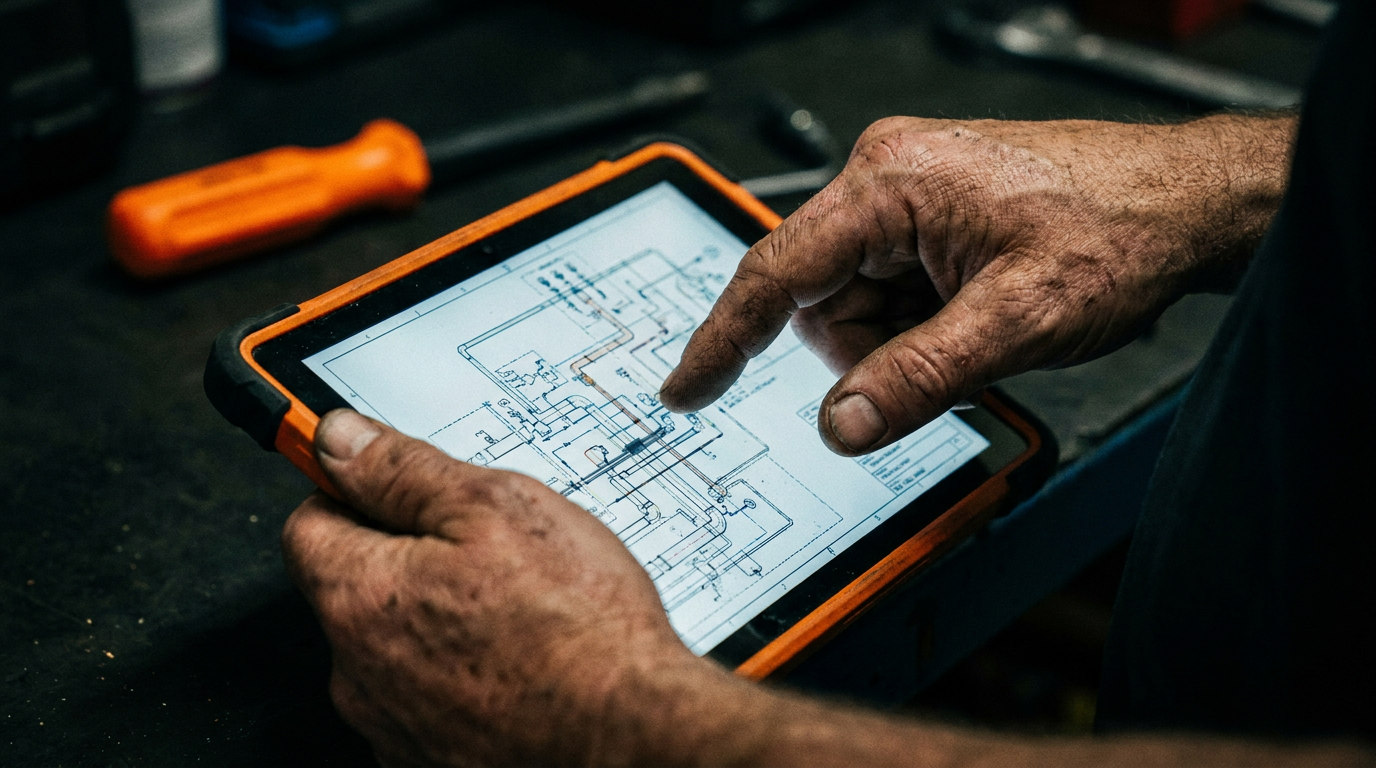
Wendes AI focuses on automating takeoffs from plans using machine learning, aiming for maximum speed. QuoteSoft provides a more traditional, database-driven approach with deep, customizable features for detailed accuracy. Your choice depends on whether you prioritize cutting-edge speed or proven, granular control over your estimates.
QuoteSoft vs. Wendes AI: A Head-to-Head for Mechanical and Plumbing Estimators
Every bid you submit is a risk. Bid too high, you lose the job. Bid too low, you lose your shirt. For mechanical and plumbing estimators, the pressure is always on. The right software can be the difference between a winning streak and a string of losses. Two big names in the game are QuoteSoft and Wendes, but they come at the problem from different angles, especially when it comes to Artificial Intelligence (AI).
This isn't about which one is "better." It's about which one is right for your shop, your workflow, and your gut. We're going to break down the real-world differences between QuoteSoft's established system and the AI-driven approach of Wendes.
The Old Guard vs. The New Challenger
Think of this matchup like a seasoned journeyman versus a sharp apprentice with the latest tech.
QuoteSoft is the journeyman. It's been on the job site for decades, building a reputation for rock-solid reliability. It's a comprehensive suite for mechanical, plumbing, and ductwork estimating. Its strength lies in its massive, detailed databases and the granular control it gives the estimator. It’s a tool for experts who want to micromanage every fitting and labor hour.
Wendes AI is the tech-savvy apprentice. It leads with its AI capabilities, promising to slash takeoff time by automatically analyzing PDF plans. The focus is on speed and automation, letting the machine do the heavy lifting so the estimator can focus on strategy, scope gaps, and final review. It’s built for shops that value bid volume and rapid turnaround.
Head-to-Head: Takeoff and Plan Analysis
The takeoff is where the money is made or lost. It's also where the difference between these two platforms is most obvious.
QuoteSoft's Approach: Precision and Control
With QuoteSoft, the takeoff process is primarily a manual, on-screen task. You load the plans, and you trace the runs. The software is smart—it recognizes systems and can auto-populate fittings based on your specs—but you are the one driving.
- Pros: You have 100% control and visibility. You see every pipe, every valve, every hanger. This builds confidence in the numbers and makes it easier to spot engineer errors or ambiguous details on the plans.
- Cons: It takes time. A complex job requires hours of dedicated tracing. While faster than paper and a scale, it’s still a deliberate, human-led process.
Wendes AI's Approach: Speed and Automation
Wendes AI flips the script. Its core selling point is the ability to upload a set of plans and let the AI perform the takeoff for you. It uses machine learning to identify symbols, lines, and specs, then translates them into a material list.
- Pros: The speed is undeniable. What takes hours manually can potentially be done in minutes. This allows you to bid more jobs and spend more time on high-level review rather than tedious counting.
- Cons: You're placing a lot of trust in an algorithm. The AI is only as good as its training. It can misinterpret symbols, miss notes, or fail to understand a non-standard detail. This means a thorough human review is not just recommended; it's mandatory. You shift your time from doing the takeoff to verifying the takeoff.
Act as a senior mechanical estimator. I need to create a checklist for verifying an AI-generated takeoff for a commercial plumbing system. The plans are for a 5-story office building. List the top 10 most critical verification steps I must take before trusting the material list and labor summary. Focus on areas where AI is most likely to make costly errors, such as fixture connections, carrier assemblies, roof drains, and spec interpretation.
Database and Pricing: The Brains of the Operation
A takeoff is useless without accurate material and labor data.
QuoteSoft is famous for its pre-built databases, which include data from sources like Harrison-TRADES and are aligned with MCAA labor units. These databases are deep, covering thousands of items with associated labor times. You can customize everything, adding your own items and adjusting labor factors to match your crew's performance. Pricing can be updated via subscription services or by manually importing lists from your suppliers like Ferguson or Johnstone Supply.
Wendes AI also uses a database, but its AI component can play a role in keeping it current. Some AI platforms can learn to parse supplier pricing sheets or even connect to live pricing portals. The goal is to reduce the manual work of price updates. However, the reliability depends on the quality of the source data and the AI's ability to interpret it correctly. You still need to manage your core catalog of items and assemblies.
Check out our other guides on quoting software to find the right fit for your trade.
What "AI" Actually Means For Your Bid
"AI" is a marketing buzzword. Let's cut through it. In estimating software, it generally means one of two things:
Assisted Intelligence (QuoteSoft's flavor): The software uses smart algorithms to make your job easier. When you trace a 4-inch copper line, it knows to automatically suggest the right hangers, fittings, and solder based on your pre-set specifications. It's not thinking for you; it's a powerful assistant that retrieves the right information instantly.
Artificial Intelligence (Wendes' flavor): The software attempts to perform cognitive tasks on its own. It reads the plan, identifies the 4-inch copper line, and decides what materials are needed based on its training data. It does the initial thinking, and you confirm or correct its work.
Neither approach is inherently better, but they serve different business models.
I am the owner of a mid-sized plumbing company with 3 estimators. We currently bid about 15 jobs a month using spreadsheets and manual takeoffs. We want to increase our bid volume to 30 jobs a month without hiring another estimator. Based on this goal, generate a concise, 3-point business case for adopting an AI-powered takeoff solution. For each point, state the benefit and a potential risk we must manage.
The Verdict: Speed vs. Control
So, which tool belongs in your truck?
Choose QuoteSoft if your business is built on complex, high-stakes projects where deep accuracy and customization are paramount. If your estimators are seasoned experts who want total control and your reputation is built on having the most buttoned-up bid on the table, QuoteSoft's proven, detailed system is a fortress.
Choose Wendes AI if your business strategy is based on volume and speed. If you're in a competitive market bidding on many similar, straightforward jobs (like multi-family housing or retail fit-outs), the ability to crush takeoffs in record time can give you a massive advantage. It's for shops that have a rock-solid review process and are willing to embrace new tech to get ahead.
Ultimately, the best tool doesn't replace a good estimator. It makes them better. Whether you need a precision rifle or a rapid-fire machine gun depends entirely on the battle you're fighting.
Frequently asked questions
37 copy-paste prompts that save tradespeople 5+ hours a week. Plus one short email every Friday — no fluff.
More for quoting & estimating

How to Write an Electrical Estimate with AI in 10 Minutes
How to Write an Electrical Estimate with AI in 10 Minutes comes down to using AI to do the slow stuff — quoting, paperwork, marketing, and customer follow-

AI-Generated Electrical Proposal Template (Free)
AI-Generated Electrical Proposal Template (Free) comes down to using AI to do the slow stuff — quoting, paperwork, marketing, and customer follow-up — so y

How to Quote a Plumbing Job With AI (Step-by-Step)
How to Quote a Plumbing Job With AI (Step-by-Step) comes down to using AI to do the slow stuff — quoting, paperwork, marketing, and customer follow-up — so